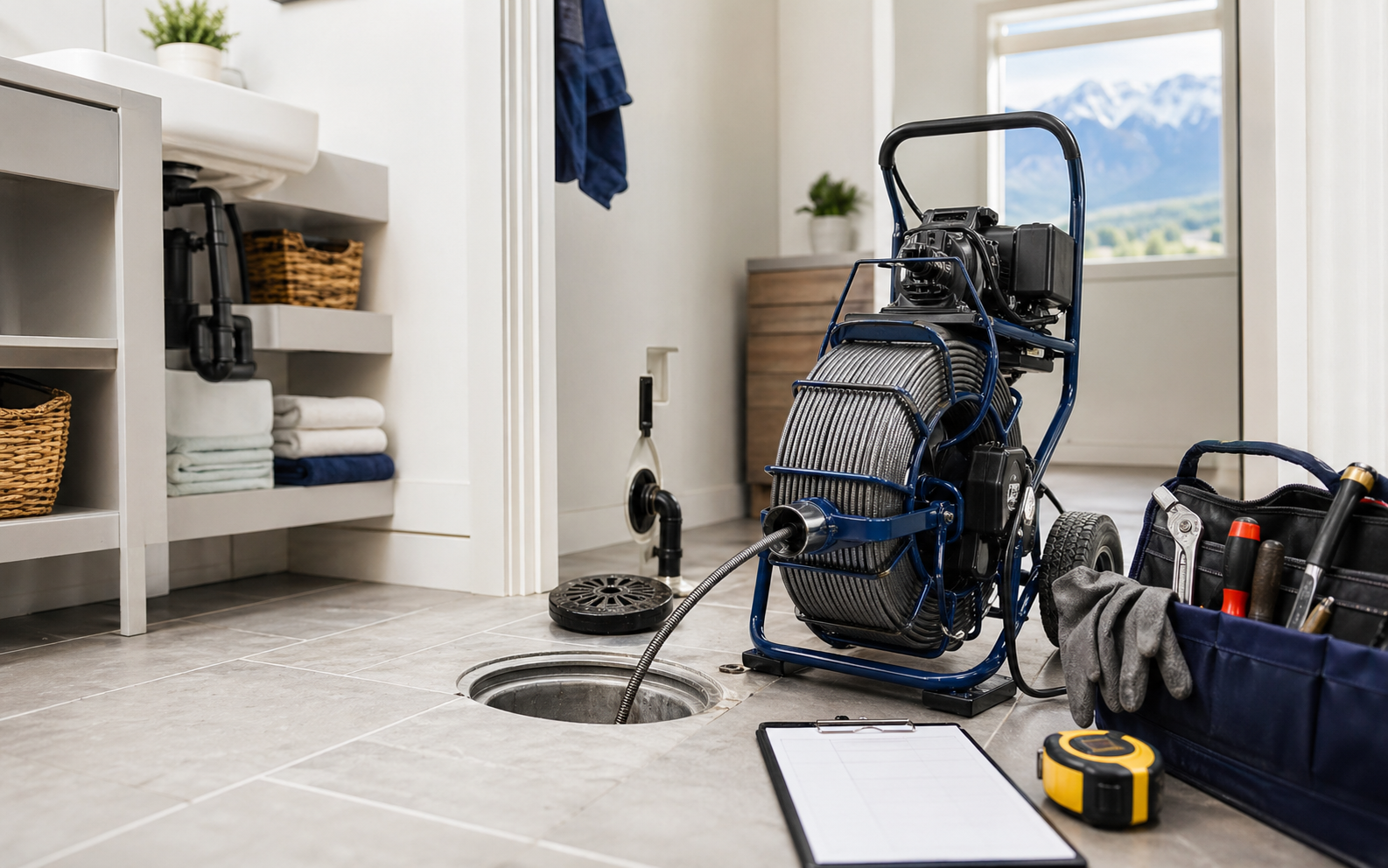


Can a drain backup still be a drain-cleaning problem and not a broad plumbing issue?
Yes. Many backups still start with drain cleaning because the issue is isolated to one drain or branch line.
Blog Article
How to tell when a backup belongs in drain cleaning, sewer service, or broader plumbing-language conversations.
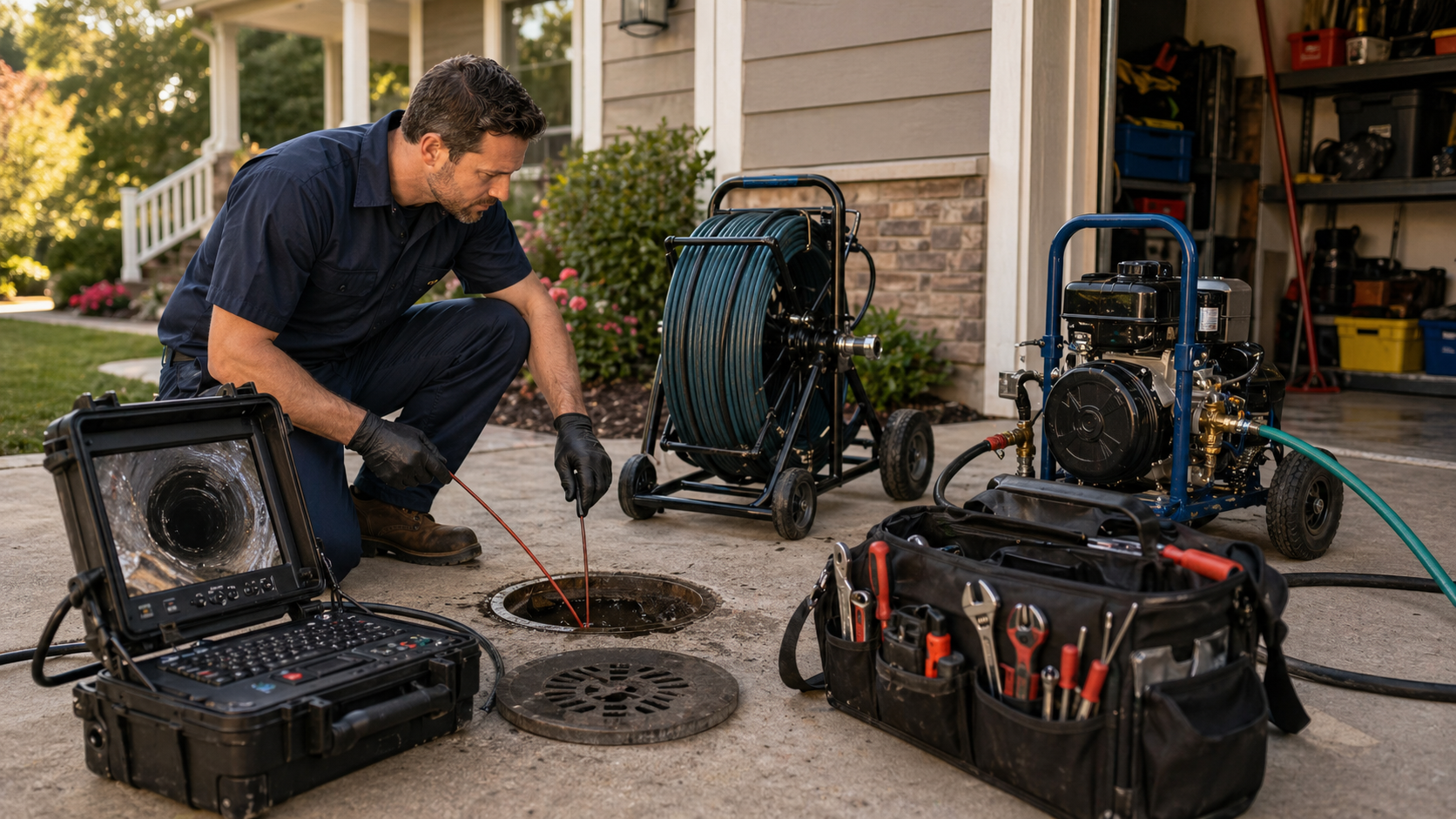
People often search for a plumber first when a drain backs up, but the better next question is what part of the system is actually failing. A single clogged fixture, an active drain overflow, and a larger sewer backup may all sound like plumbing problems while needing different first steps.
The goal is not to get the wording perfect. The goal is to recognize when the issue belongs in drain cleaning, emergency drain service, or a broader sewer diagnosis before the wrong visit is booked.
These are the details that usually separate a routine drain issue from a bigger drain-and-sewer service call.
This part of the article is here to add context, not urgency. In most cases, the more clearly someone understands the pattern behind the question, the easier it is to interpret the rest of the information without overreacting to one symptom.
For emergency drain cleaning questions especially, the biggest misunderstandings usually happen when one detail gets all the attention and the wider context gets missed. A fuller explanation makes the rest of the article easier to read and use.
The fastest way to choose the right path is to match the symptom pattern to the line that is most likely involved.
The point here is not to rush a decision. It is to make the question easier to think about in a calmer, more practical way so the customer can tell what matters, what may not matter, and what kind of explanation actually fits the situation.
This is also where a useful article earns trust, because it helps people sort out the issue for themselves before any service conversation happens. Clear context usually leads to better questions and less confusion.
A few simple observations usually make the right service path clearer.
Small details often change how a situation should be interpreted. The more clearly someone can describe what they are seeing, the easier it is to make sense of the question and separate the useful details from the distracting ones.
These notes are here to make the topic easier to read, compare, and talk about. In many cases, a little more clarity early on prevents a lot of confusion later.
We help sort plumber-language searches back into the right drain, sewer, and hydro jetting path.
By the time someone reaches this part of the article, they usually want to understand how the information above connects to the actual service work. The goal is to make that connection clear without turning the article into a sales script.
Tying the topic back to emergency drain cleaning helps the article stay grounded in real service context. It shows how the explanation relates to the work itself, which makes the page feel more useful and more complete.
These are the follow-up questions people usually still have after the main explanation. They help turn the article into something more useful than a one-line definition.
For emergency drain cleaning topics, the best next questions are usually the ones that connect the explanation back to real-world service decisions and the conditions that make the topic matter.
Yes. Many backups still start with drain cleaning because the issue is isolated to one drain or branch line.
Usually when multiple fixtures are involved, lower drains react first, or the same line keeps failing after earlier cleaning.
Either wording is common, but the more useful decision is whether the symptoms point to drain cleaning, emergency drain service, or a larger sewer diagnosis.