Negs
Very professional and arrived fast. Would recommend to everyone. If I could give them 10 stars I would!
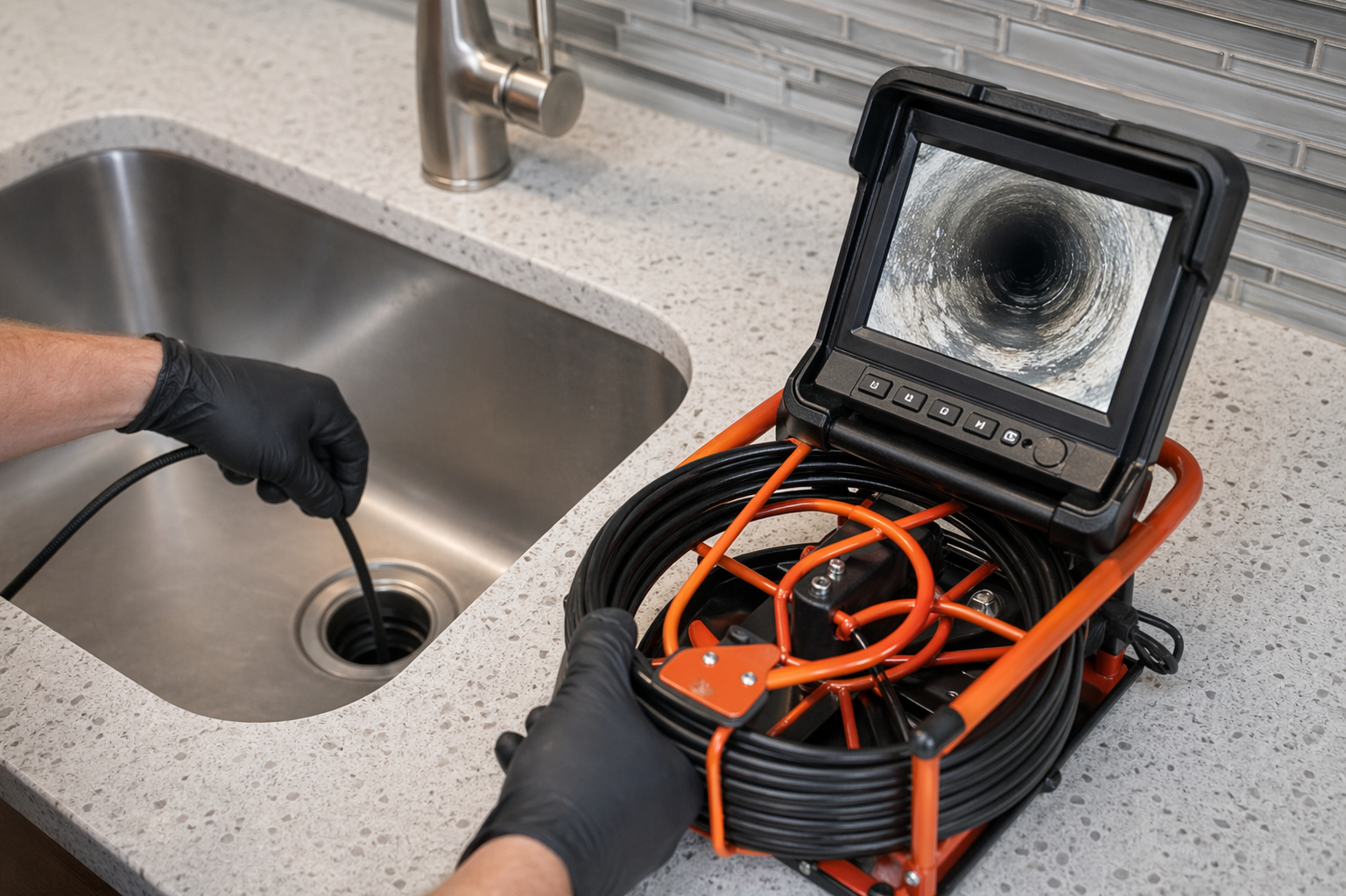
Drain camera inspection for property owners who need a clear diagnosis before committing to another cleaning or repair.
What property owners are noticing
A lot of drain work is done in mystery because drain location, building structure, and drain placement are not always obvious. Drain diagnosis provides peace of mind, a more accurate quote, and better-informed service recommendations.
When this service fits
This service fits when chronic or recurring drain issues have not responded to standard cleaning, when multiple fixtures are acting up at once, or when a property transaction needs a documented line condition before closing.
Use this service family when one drain line keeps acting up and the next decision depends on seeing whether the trouble is buildup, a sag, roots, or actual pipe damage.
What tends to improve
A video drain inspection service with enough visual evidence gives owners the next cleaning or repair step more confidently. Owners make better decisions with footage in hand than with a verbal guess over the phone.
Problem
Most drain problems get treated based on symptoms - what's slow, what's backing up, what smells. Camera inspection shifts the conversation from symptoms to evidence, so the service recommendation matches the actual line condition.
This page covers the broader drain camera inspection service family. The narrower services below go deeper into specific inspection situations.
Solution
When dealing with unknown drain problems, property owners need to know where the fix is located, what actually needs to be done, and why the problem is happening.
Whether it is a recurring issue or the first visit, taking extra time to capture drain video gives owners higher-quality service and keeps the job from relying on guesswork.
Fit and situation bullets
Reviews
See what homeowners and businesses say after getting a drain camera inspection — from the clarity of the findings to the honest recommendation on whether the line needs cleaning, repair, or just monitoring.
Read more reviews on GoogleThese guys are great! I run a plumbing company but don’t do drains. I often sub contract them to service my customers sewer lines. They don’t only make me happy, but they keep my customers happy and that’s what matters to me most. Thanks guys!
Amazing experience! They are knowledgeable, kind, courteous and very thorough. Our clogged kitchen pipe was a bit of a challenge but they kept going and did everything they could to get it unclogged and they did it! They were very upfront with what caused the clog, gave us video recording of our pipes so we can see exactly what was done, double checked to make sure the pipes were clean and free of clogs and gave us steps on how to maintain the pipes moving forward. Highly recommend!!
This company is Awesome!!! Highly recommend that you call them for your drain cleaning and power washing needs! A++ in service, cost, and quality of work. Alex and Jacob completed drain work, patio cleaning, and filled in cracks in cement. The patio looks brand new! Thank you Alex and Jacob!!!
Alex was very good to work with. They were professional and punctual, working around my schedule. They were able to show me exactly before and after, even showing footage inside my pipes, which I have never seen before. I would recommend them.
Awesome experience! AJ was super professional and got us back in service. They offered us a few solutions and cleared our clogged sewer line for an excellent price
Very professional and arrived fast. Would recommend to everyone. If I could give them 10 stars I would!
Very pleased by my wonderful experience with this company and their service. They were very efficient and fast with their time. I appreciate their professionalism and commitment to the work they did for me!
Why Mountain West
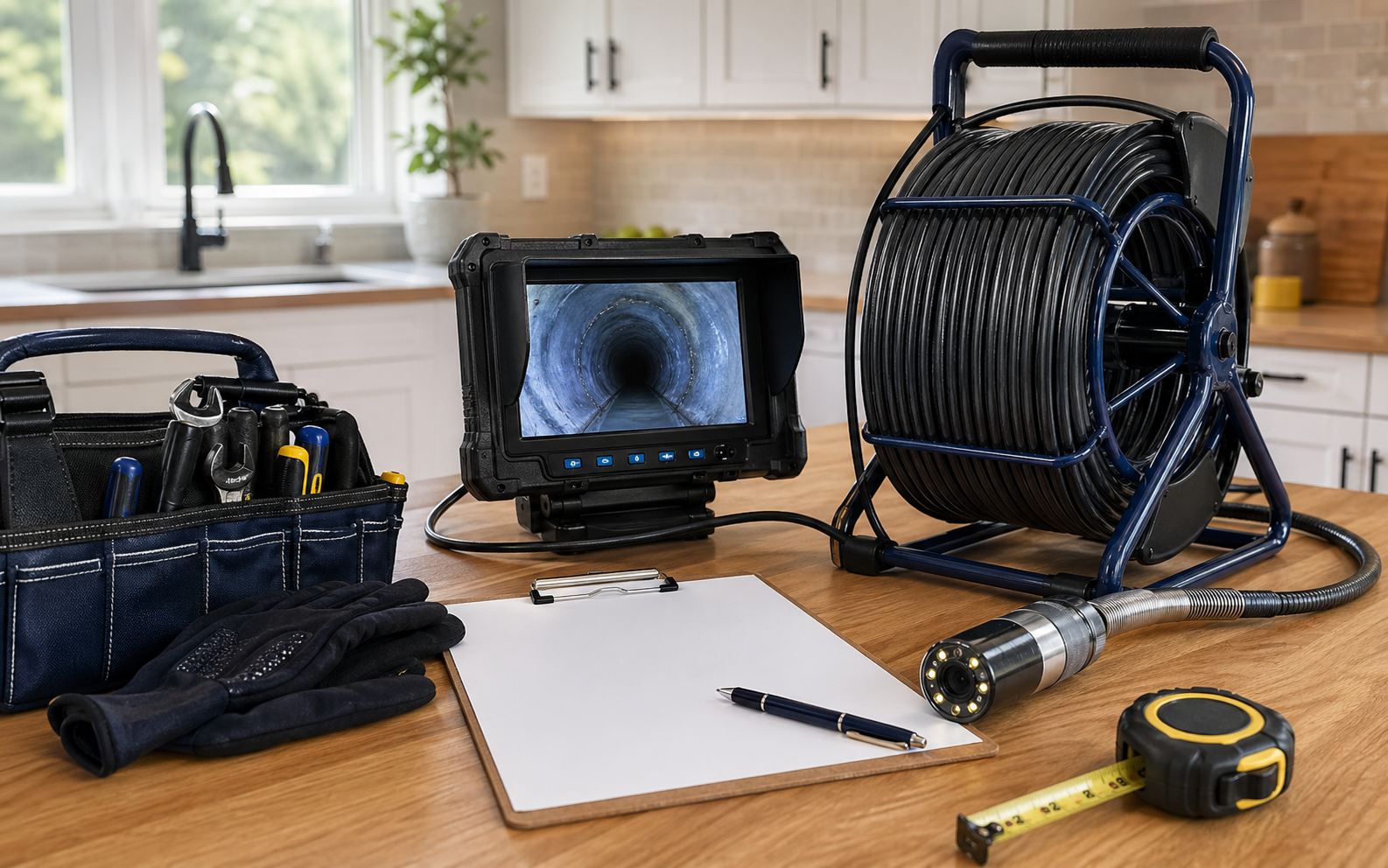
Camera rated to 200 feet
Scopes up to 200 feet of pipe with live footage review so owners see what the camera sees in real time.
Jetting and camera on every call
Hydro jetting equipment deploys on every service call. If the line needs clearing before the camera can pass, it happens in the same visit instead of scheduling a second trip.
3,850 PSI jetting capability
Clears lines 2 to 12 inches in diameter at 3,850 PSI and 8 GPM with 300 feet of reach, so clearing and inspection happen back to back when needed.
20+ years combined field experience
Not a new crew learning on your property.
Licensed and insured
Licensed for sewer, drain, and drainage system work .
This category usually starts by deciding which line needs to be recorded, how the camera can reach the drain, and whether a blockage needs to be cleared first.
The owner walks away with recorded footage, a clear explanation of what the camera found, and a next-step recommendation tied to the actual line condition.
If the camera finds something bigger than a cleaning can fix, these are the next routes.
Evidence
If the camera finds a break, offset, root mass, belly, or collapse, the job can shift from diagnosis into repair, replacement, or access planning.
Sources: U.S. Environmental Protection Agency EPA, U.S. Environmental Protection Agency EPA
Some lines need cleaning before or after inspection so the footage shows the actual pipe condition clearly enough for the next decision.
Sources: U.S. Environmental Protection Agency EPA
The final recommendation depends on what the camera shows about blockage severity, defect type, and line location.
Sources: U.S. Environmental Protection Agency EPA, U.S. Environmental Protection Agency EPA
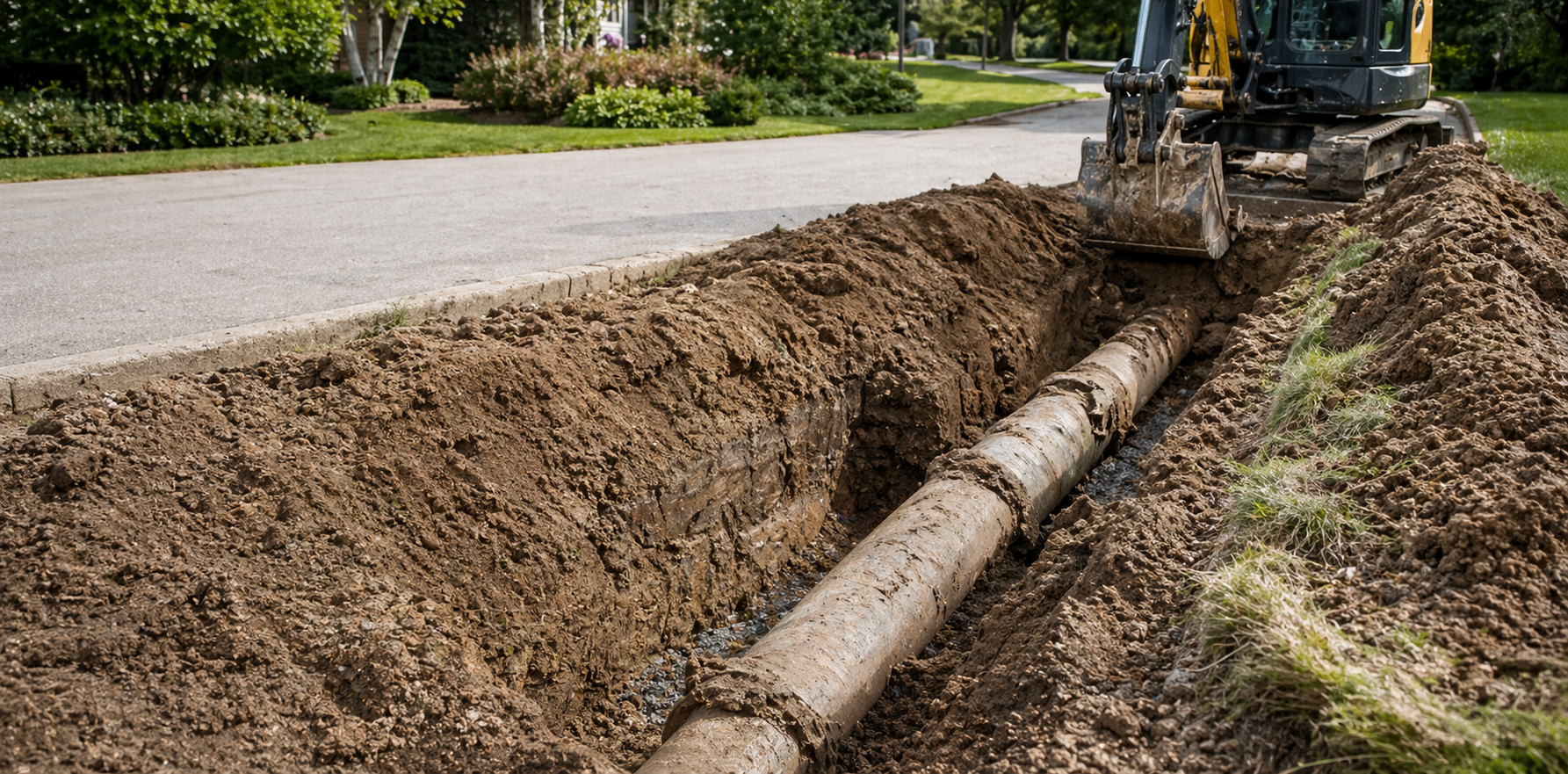 Next Service RouteSewer Line Repair And ReplacementRepair and replacement for damaged sewer lines, failing main lines, broken pipe sections, and structural defects beyond what cleaning can fix.
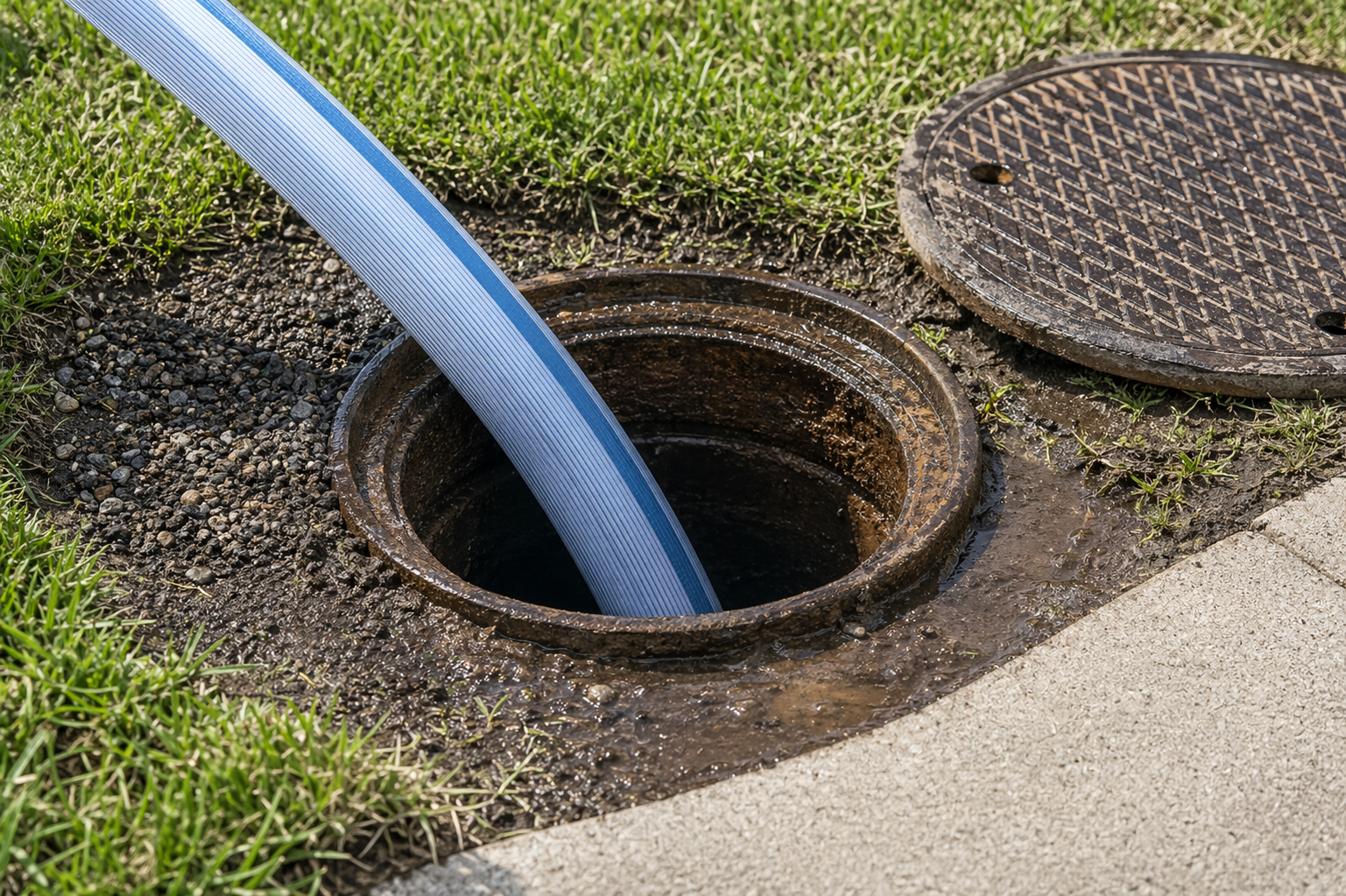 Next Service RouteTrenchless Sewer RepairLower-disruption rehabilitation and replacement for lines that may qualify for pipe lining, pipe bursting, CIPP, or no-dig methods.
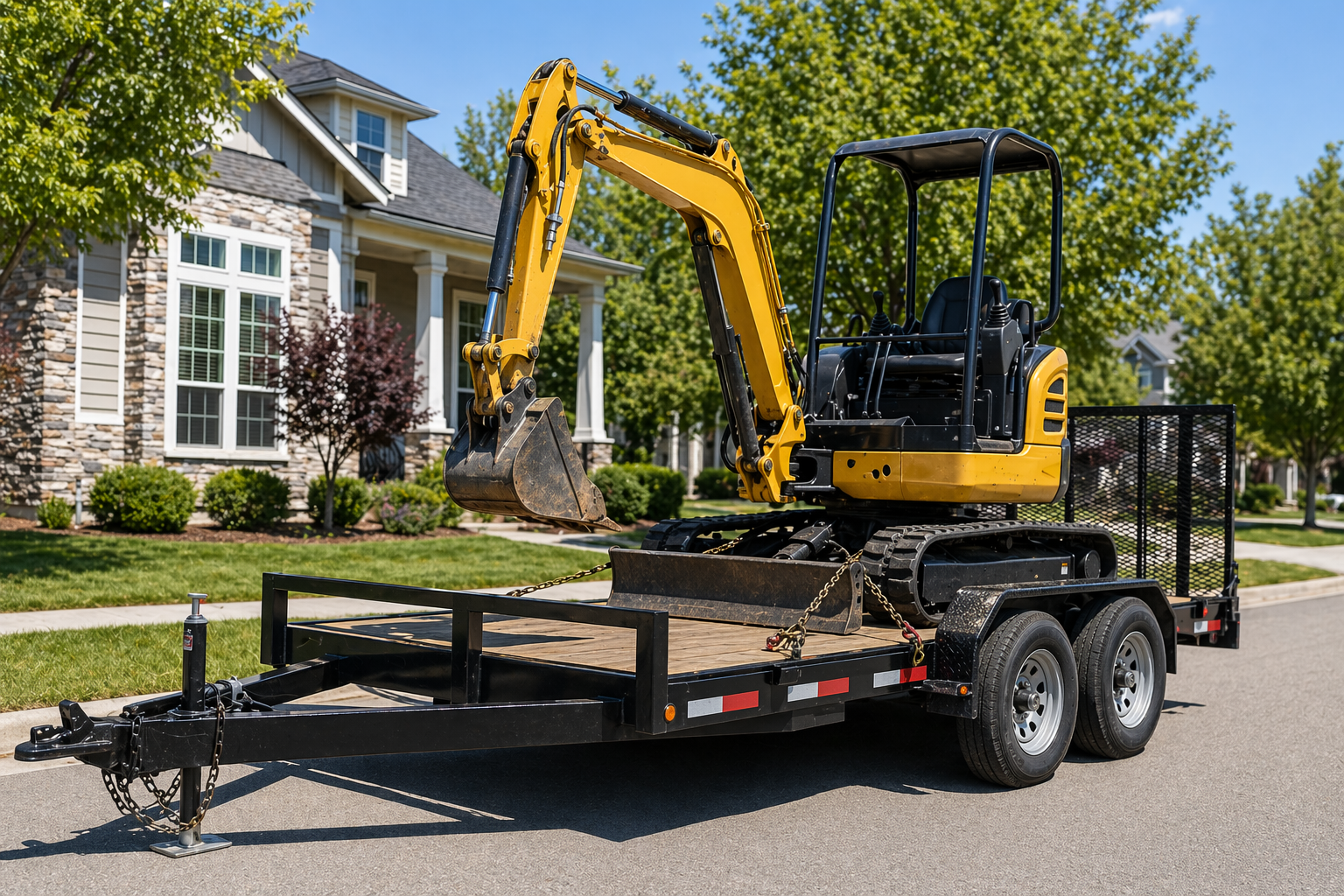 Next Service RouteSewer ExcavationSewer excavation for trench access, dig-up work, and repair or replacement scopes that cannot be completed without controlled digging.
Scope and timing
Cost
Support
Learn More
These following pages are job specific for deeper understanding rather than the broad drain camera inspection overview. You can compare the exact line, method, access path, or failure pattern that fits your situation more closely.
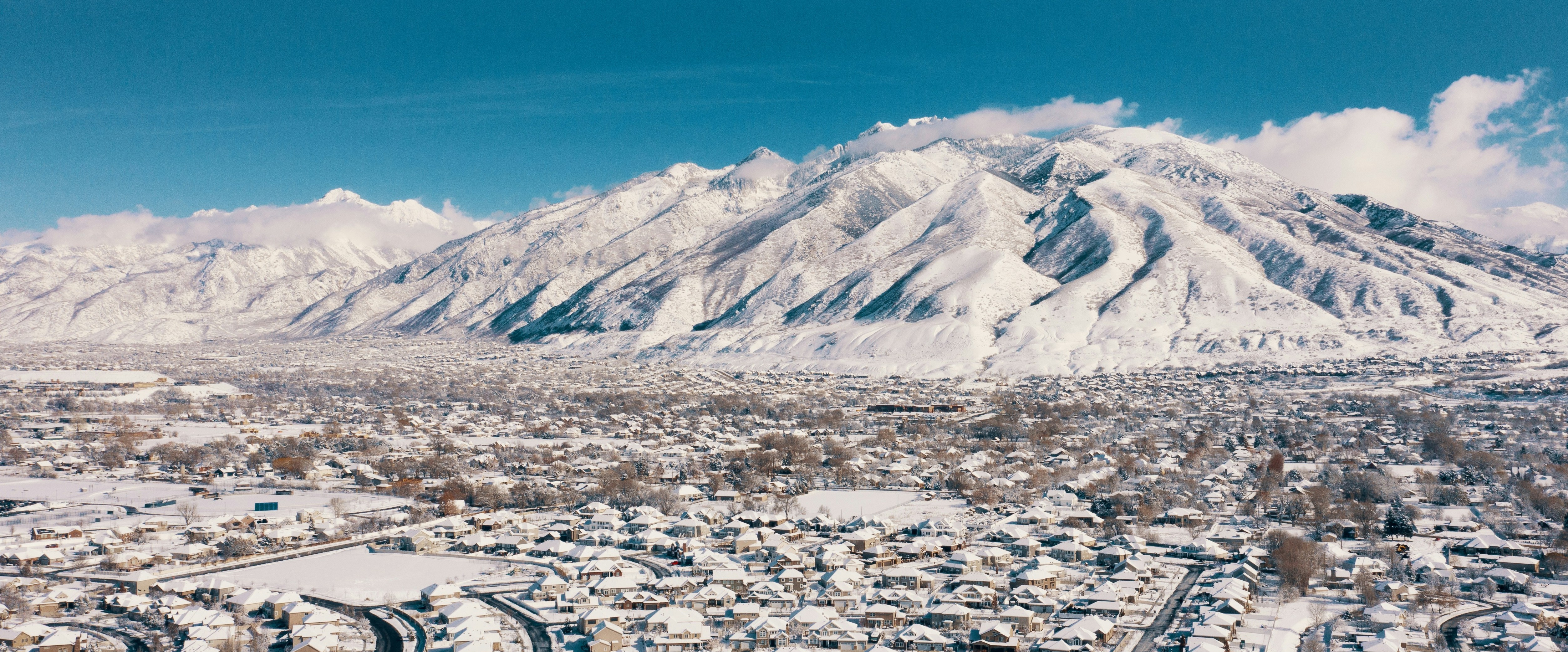
Drain line camera inspection for branch lines, lateral lines, and interior drains when the problem line is identified and needs visual confirmation.
These are the quick answers most people want before they call, book, or decide on the next step.
Drain camera inspection solves the gap between drain symptoms and drain evidence. Instead of guessing what is inside the line based on how the drain is behaving, camera footage shows the actual condition - buildup location, pipe damage, root intrusion, or a structural defect - so the next service step is based on what the camera recorded.
Property owners who have already tried cleaning or snaking without a lasting result get the most value. Buyers and sellers who need line condition documented before a transaction, and owners planning renovations who need to confirm where drains run before construction starts, are the other two common groups.
A trained technician inserts a waterproof camera into the drain, advances it through the line, and records footage of the pipe interior. If a blockage prevents the camera from passing, the line is cleared first. The footage is reviewed with the owner, and the findings are used to recommend the next step - whether that is cleaning, repair, replacement, or ongoing monitoring.
Know which drain or line is causing the problem, what has already been tried on it, and whether there is an accessible cleanout. If the inspection is tied to a property sale or a renovation deadline, share that upfront so the visit can be scheduled and scoped accordingly.
Related Reading
These follow-up reads stay close to this service and answer the pricing, warning-sign, process, and comparison questions that usually come next.
Cost Question
Breaks down the main price drivers, what usually changes the quote, and how to compare service scope before booking.
Cost Question
Explains what a sewer scope inspection means, when it matters, and how it connects back to sewer camera inspection decisions.