Negs
Very professional and arrived fast. Would recommend to everyone. If I could give them 10 stars I would!
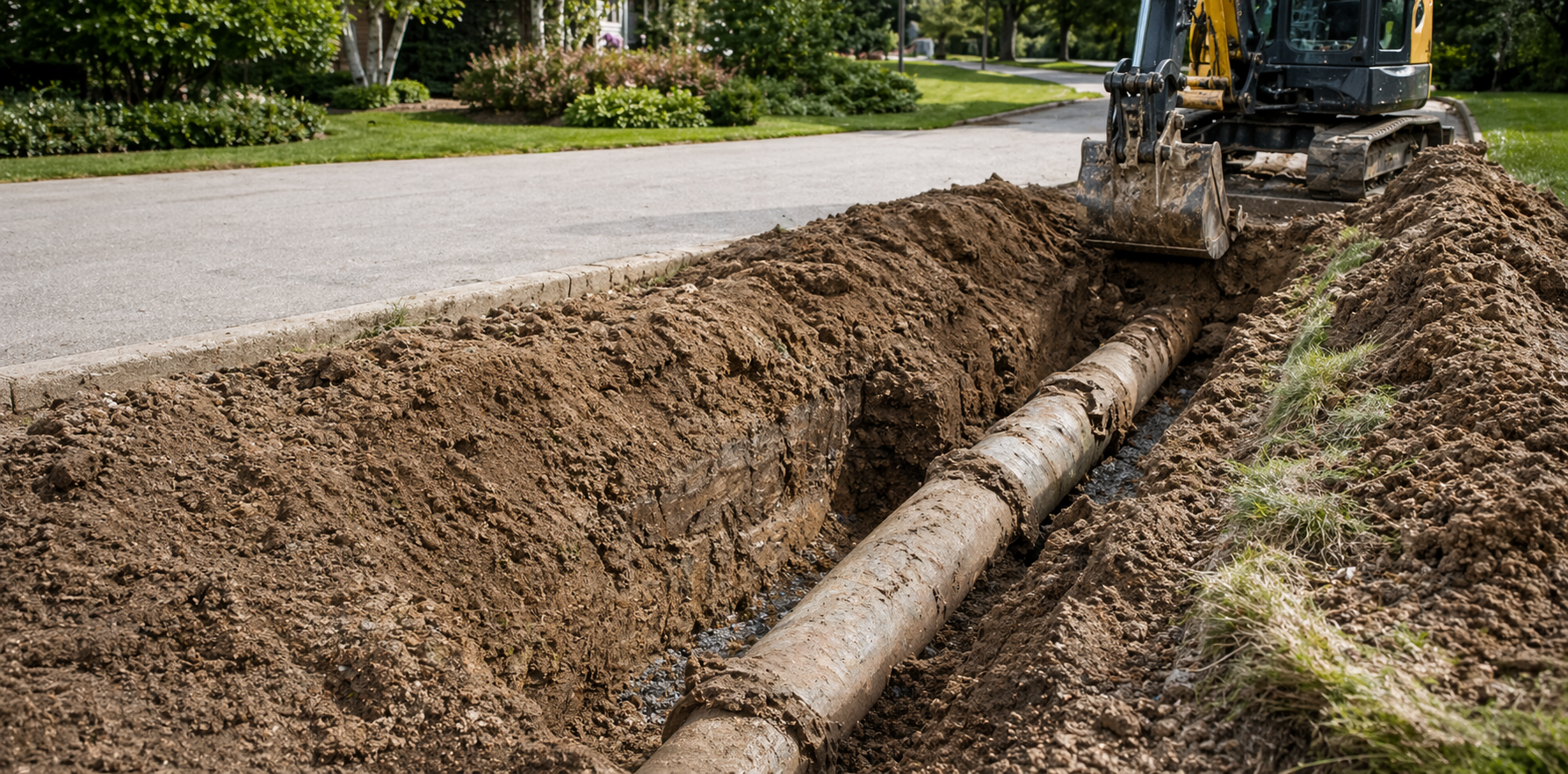
Sewer line repair and replacement for property owners dealing with confirmed sewer damage, repeat mainline failures, or pipe conditions that cleaning alone cannot fix.
What property owners are noticing
Use this service when camera findings or repeat failures point to real sewer-line damage - cracks, offsets, root entry, collapsed sections, or broken pipe - instead of a simple buildup issue.
When this service fits
This service fits when the pipe itself is damaged and the question has shifted from cleaning toward repair, replacement, or the size of the structural fix.
Use this service family when cleaning keeps failing because the problem is the pipe, not what's inside it.
What tends to improve
A more reliable sewer line and a clearer repair-versus-replacement plan based on the actual pipe condition, not guesswork. Owners stop paying for cleaning that was never going to hold.
Problem
When cleaning keeps failing and camera footage shows structural damage, the problem is the pipe itself - not what's inside it. Sewer line repair and replacement is the service category for lines that are cracked, offset, collapsed, root-compromised, or too far gone for another cleaning visit to make a difference.
This page covers the broader sewer line repair and replacement service family. The narrower services below go deeper into specific repair situations by damage type, line location, and project scope.
Solution
Sewer line repair and replacement is the right starting point when cleaning is no longer the main question and the real issue is how damaged the sewer line is and what it takes to fix it durably.
This category fits when the next decision is whether the pipe still supports a targeted repair or has moved far enough into failure that replacement needs to be compared seriously.
Fit and situation bullets
Reviews
See what homeowners and businesses say after sewer line repair or replacement — from the camera findings that confirmed the problem to the clear explanation of the repair method, pricing, and property condition after the work.
Read more reviews on GoogleThese guys are great! I run a plumbing company but don’t do drains. I often sub contract them to service my customers sewer lines. They don’t only make me happy, but they keep my customers happy and that’s what matters to me most. Thanks guys!
Amazing experience! They are knowledgeable, kind, courteous and very thorough. Our clogged kitchen pipe was a bit of a challenge but they kept going and did everything they could to get it unclogged and they did it! They were very upfront with what caused the clog, gave us video recording of our pipes so we can see exactly what was done, double checked to make sure the pipes were clean and free of clogs and gave us steps on how to maintain the pipes moving forward. Highly recommend!!
This company is Awesome!!! Highly recommend that you call them for your drain cleaning and power washing needs! A++ in service, cost, and quality of work. Alex and Jacob completed drain work, patio cleaning, and filled in cracks in cement. The patio looks brand new! Thank you Alex and Jacob!!!
Alex was very good to work with. They were professional and punctual, working around my schedule. They were able to show me exactly before and after, even showing footage inside my pipes, which I have never seen before. I would recommend them.
Awesome experience! AJ was super professional and got us back in service. They offered us a few solutions and cleared our clogged sewer line for an excellent price
Very professional and arrived fast. Would recommend to everyone. If I could give them 10 stars I would!
Very pleased by my wonderful experience with this company and their service. They were very efficient and fast with their time. I appreciate their professionalism and commitment to the work they did for me!
Why Mountain West
Diagnosis-to-repair in one pipeline
Camera inspection confirms the defect, jetting clears the line if needed, and repair or replacement follows - without bouncing between multiple companies for each step.
Camera rated to 200 feet
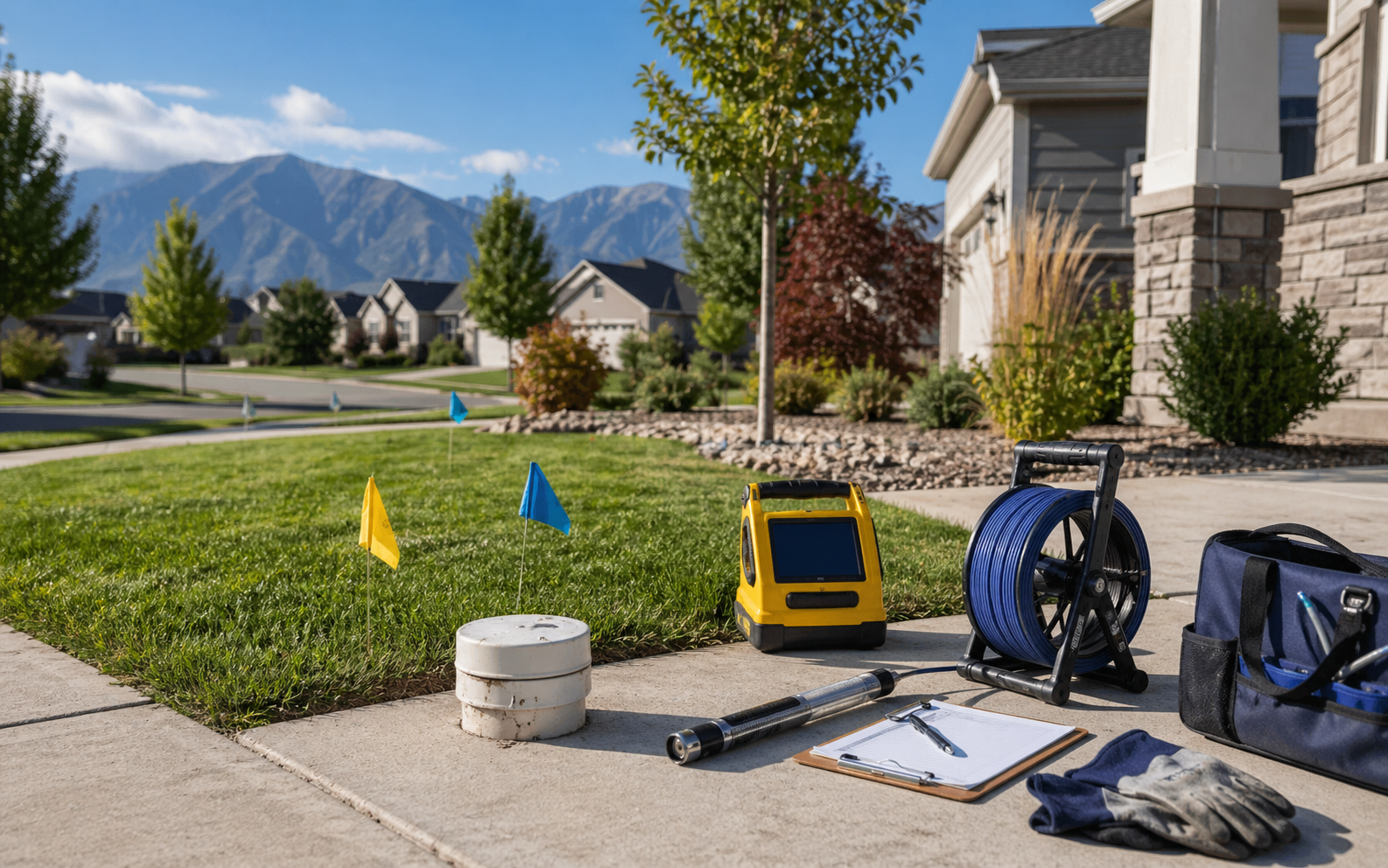
Scopes up to 200 feet of sewer line with live footage review and radio transmitter locating so the repair targets the actual defect, not an estimated area.
3,850 PSI jetting capability
Clears lines 2 to 12 inches in diameter at 3,850 PSI and 8 GPM with 300 feet of reach when the line needs clearing before or after repair.
20+ years combined field experience
Not a new crew learning on your property.
Licensed and insured
Licensed for sewer, drain, and drainage system work , including excavation, trenching, backfill, concrete, and asphalt work necessary for drainage systems.
This category starts by confirming whether the line damage is limited enough for a targeted repair or broad enough that replacement is the more durable path.
The owner walks away with a structurally sound sewer line, a clear explanation of what was repaired or replaced, and a maintenance recommendation to keep the line in service.
If the repair scope involves trenchless methods, excavation access, or a bigger replacement project, these are the next routes.
Evidence
If the damage is broader than first expected, a repair visit can widen into replacement, trenchless comparison, or excavation access planning.
Sources: U.S. Environmental Protection Agency EPA
The best structural path depends on defect location, line condition, and whether the pipe still has a realistic repair candidate section left.
Sources: U.S. Environmental Protection Agency EPA, U.S. Environmental Protection Agency EPA
Once the scope moves beyond one damaged section, budgeting, surface impact, and access can become as important as the pipe repair itself.
Sources: U.S. Environmental Protection Agency EPA, U.S. Environmental Protection Agency EPA
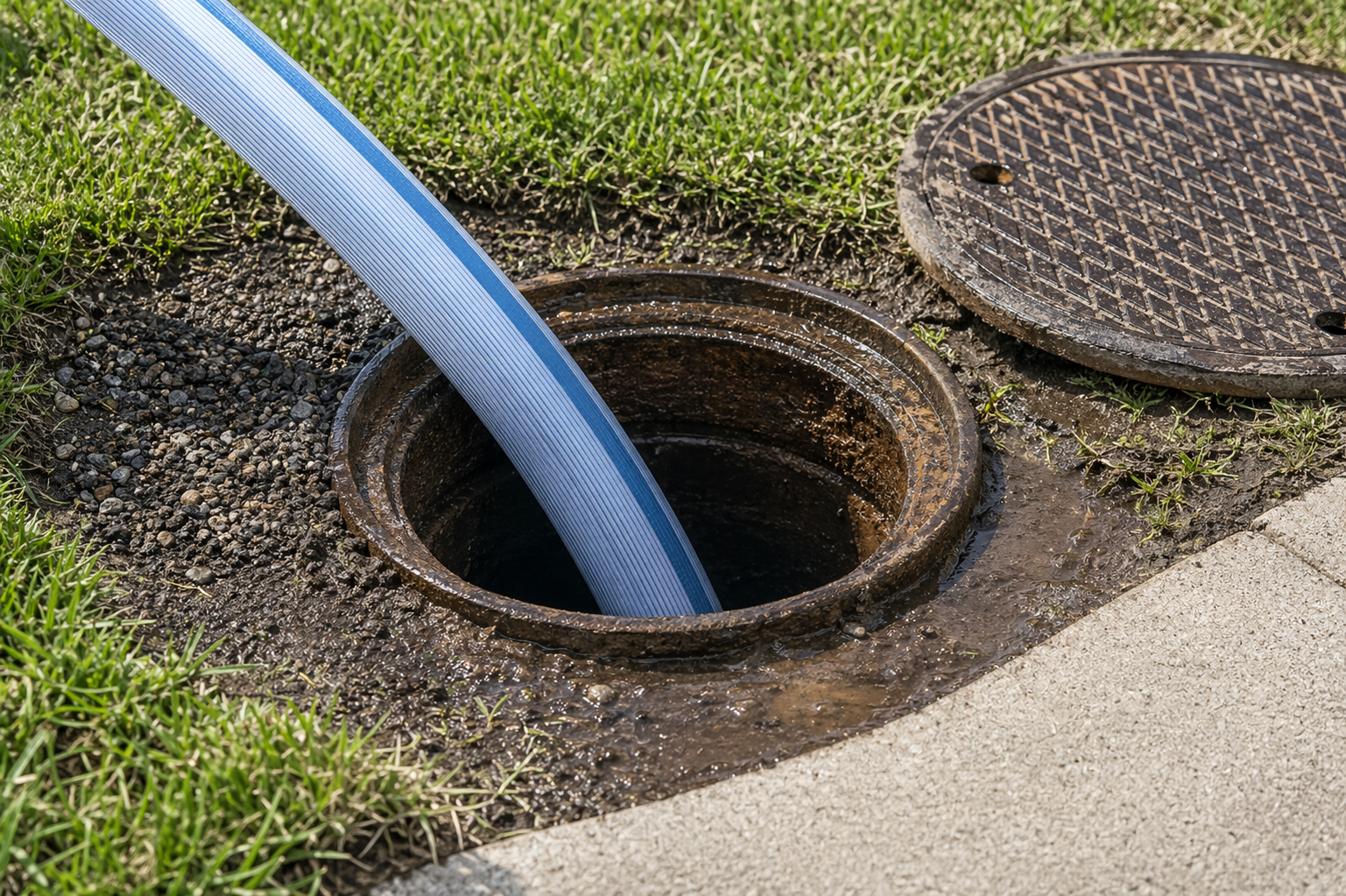 Next Service RouteTrenchless Sewer RepairLower-disruption rehabilitation and replacement for lines that may qualify for pipe lining, pipe bursting, CIPP, or no-dig methods.
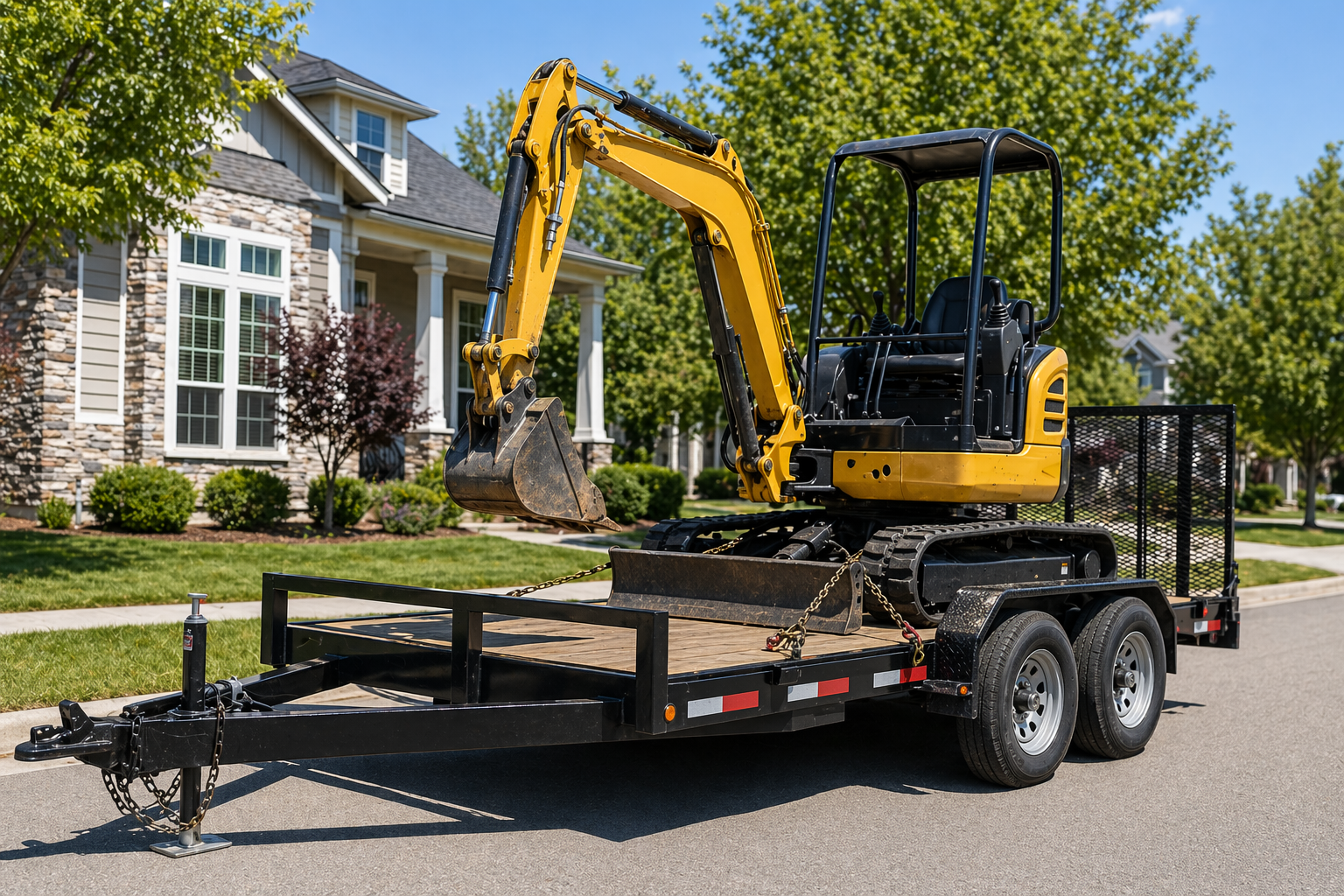 Next Service RouteSewer ExcavationSewer excavation for trench access, dig-up work, and repair or replacement scopes that cannot be completed without controlled digging.
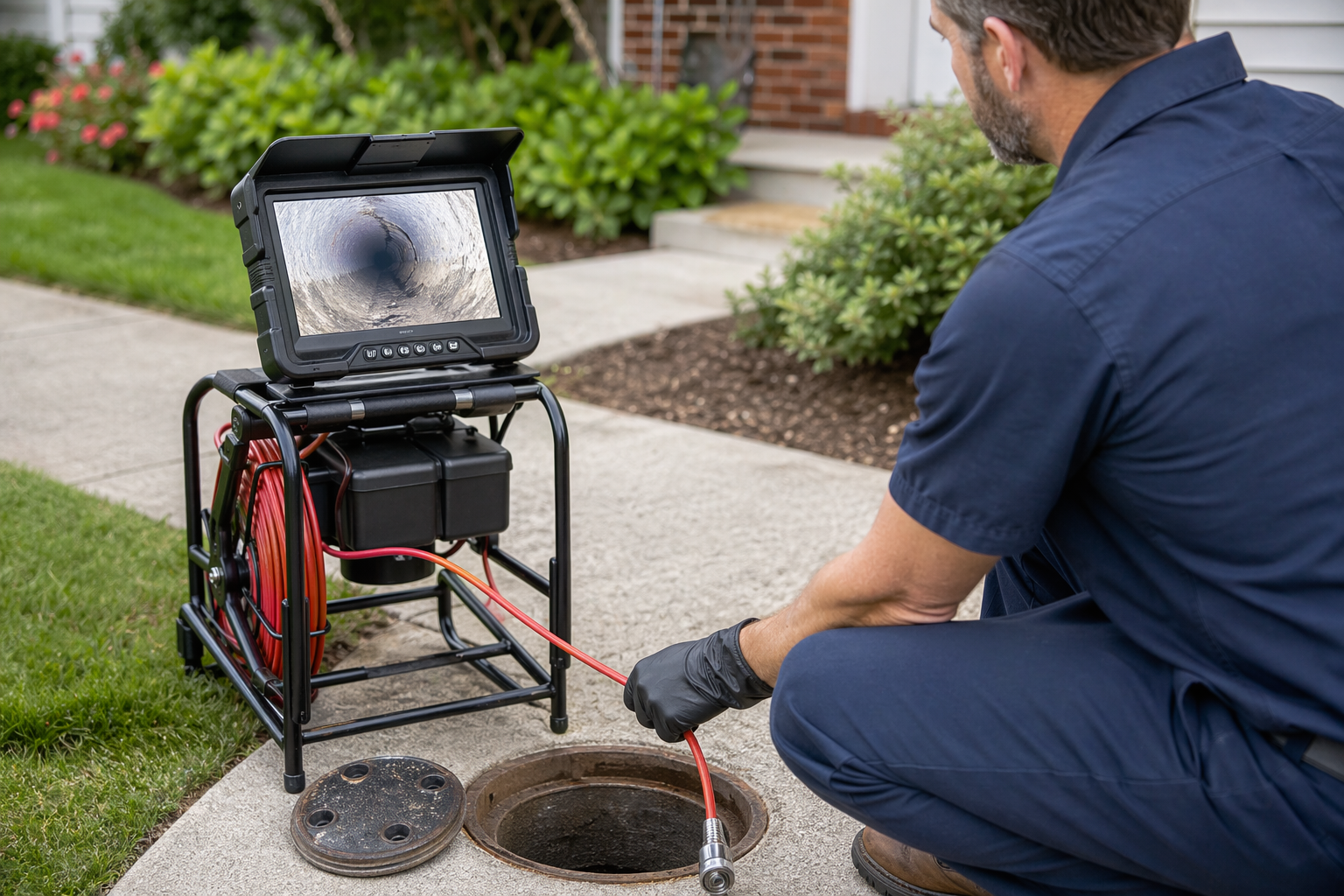 Next Service RouteSewer Camera InspectionSewer camera inspection for mainline diagnostics and defect confirmation when the repair scope still needs visual verification before committing.
Scope and timing
Cost
Support
Learn More
These following pages are job specific for deeper understanding rather than the broad sewer line repair and replacement overview. You can compare the exact line, method, access path, or failure pattern that fits your situation more closely.
Sewer line repair for localized defects that still fit a targeted structural fix instead of full-line replacement.
These are the quick answers most people want before they call, book, or decide on the next step.
Sewer line repair and replacement solves structural sewer problems that cleaning cannot fix - cracks, offsets, root-compromised joints, collapsed sections, and pipe failures that keep causing backups no matter how many times the line is cleared. It restores the pipe to a condition where flow holds long-term.
Property owners with camera-confirmed sewer damage and repeat mainline backups that keep returning after cleaning get the most value. Owners facing a repair-or-replace decision who need a clear scope and comparison before committing are the other common group.
The damage is confirmed through camera inspection and defect locating. The repair path is determined based on defect type, location, and severity - localized fix, section replacement, lateral repair, or full-line replacement. The work is completed, flow is verified, and the owner gets a maintenance recommendation to keep the line in service.
Know whether you have camera footage or a defect location report, whether sewage is actively backing up, and what sits above the damaged line - yard, driveway, slab, or other surface. If you've already had cleaning or inspection done, share that history - it changes how the repair visit gets scoped.
Related Reading
These follow-up reads stay close to this service and answer the pricing, warning-sign, process, and comparison questions that usually come next.
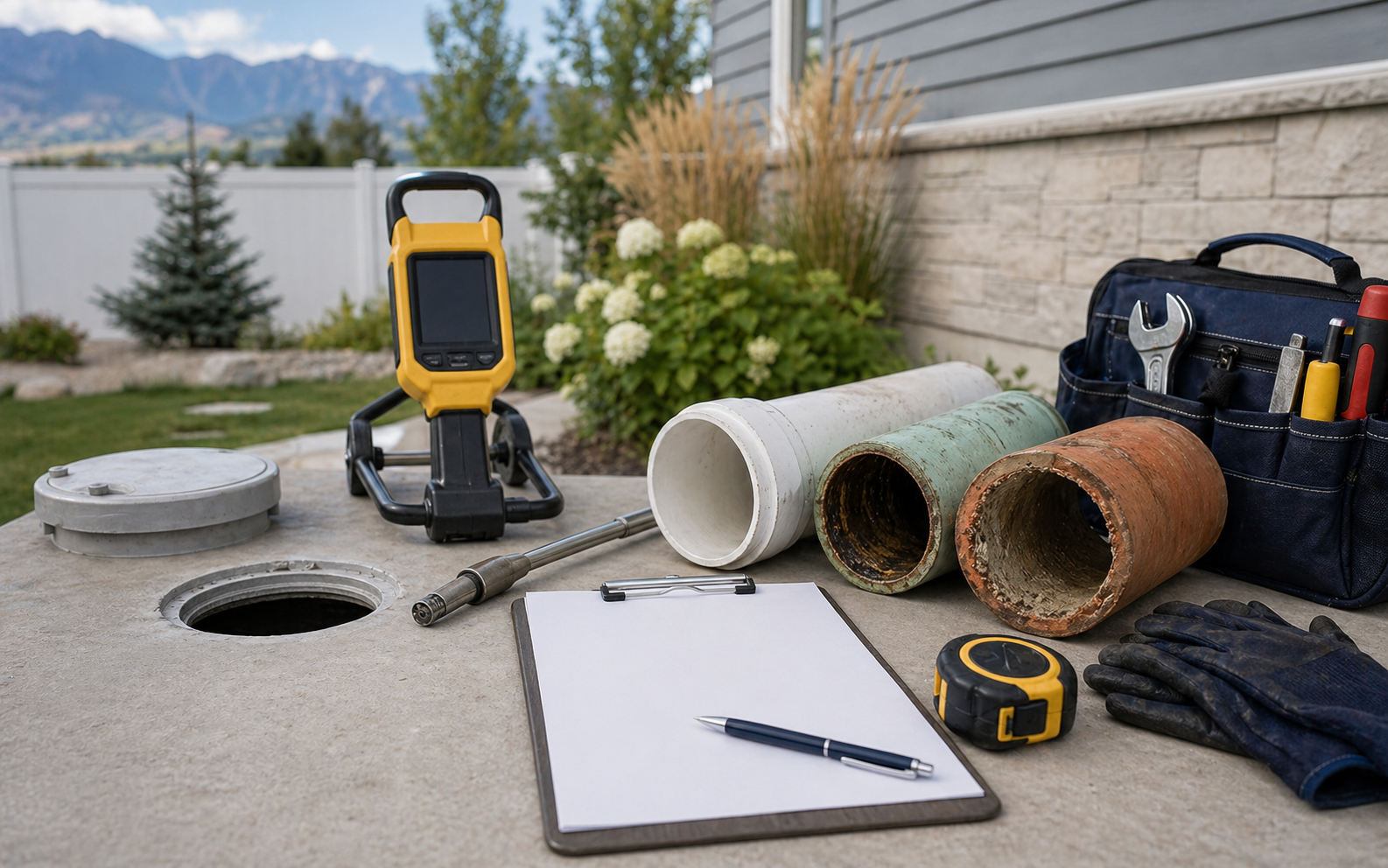
Cost Question
Breaks down the main price drivers, what usually changes the quote, and how to compare repair scope before committing.
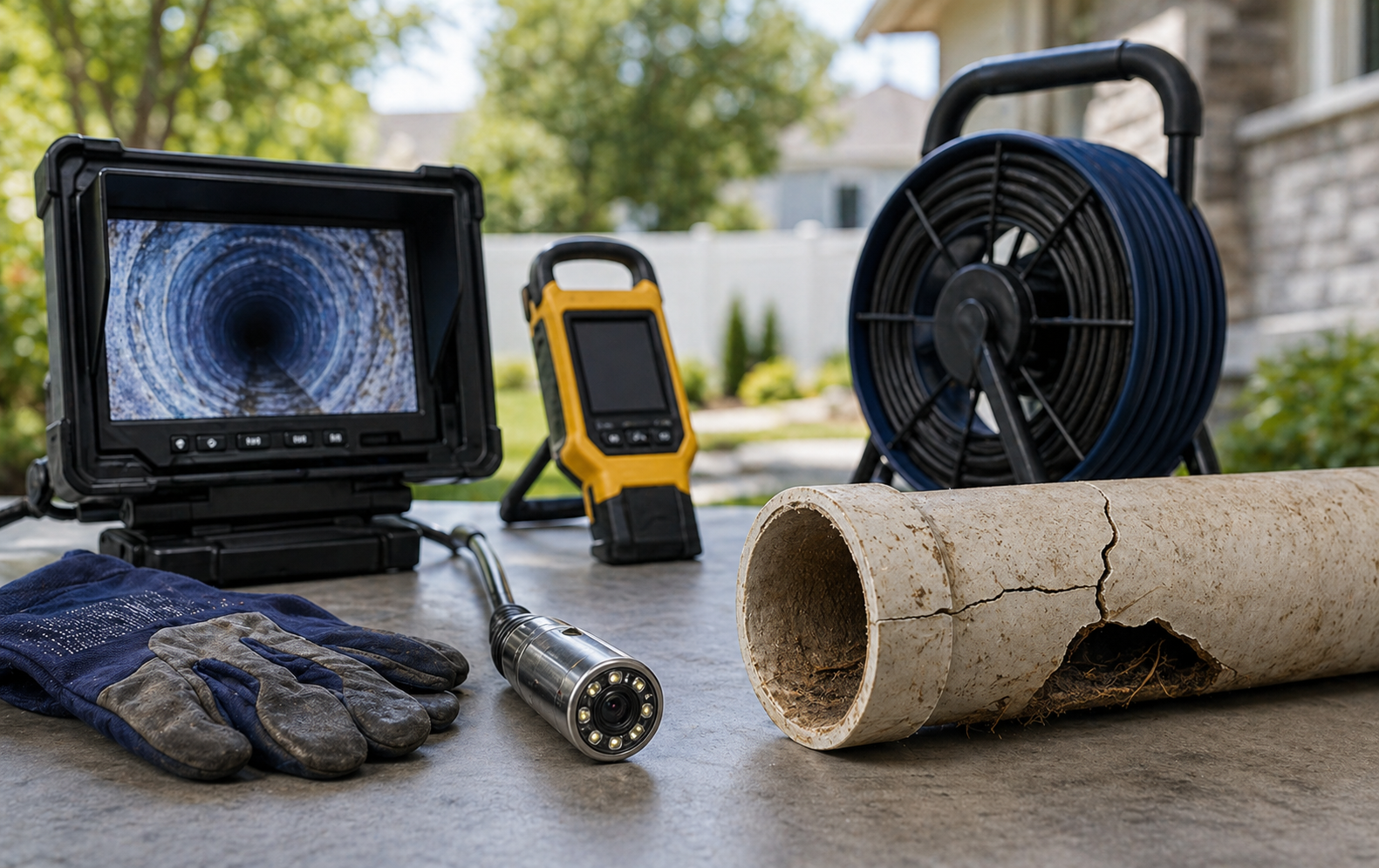
Warning Signs
Covers the warning signs, what damage patterns look like, and when the issue points to a repair-or-replace decision.
Service Explainer
Walks through what to expect from the repair process, what the project actually involves, and which details matter before the work starts.