Negs
Very professional and arrived fast. Would recommend to everyone. If I could give them 10 stars I would!
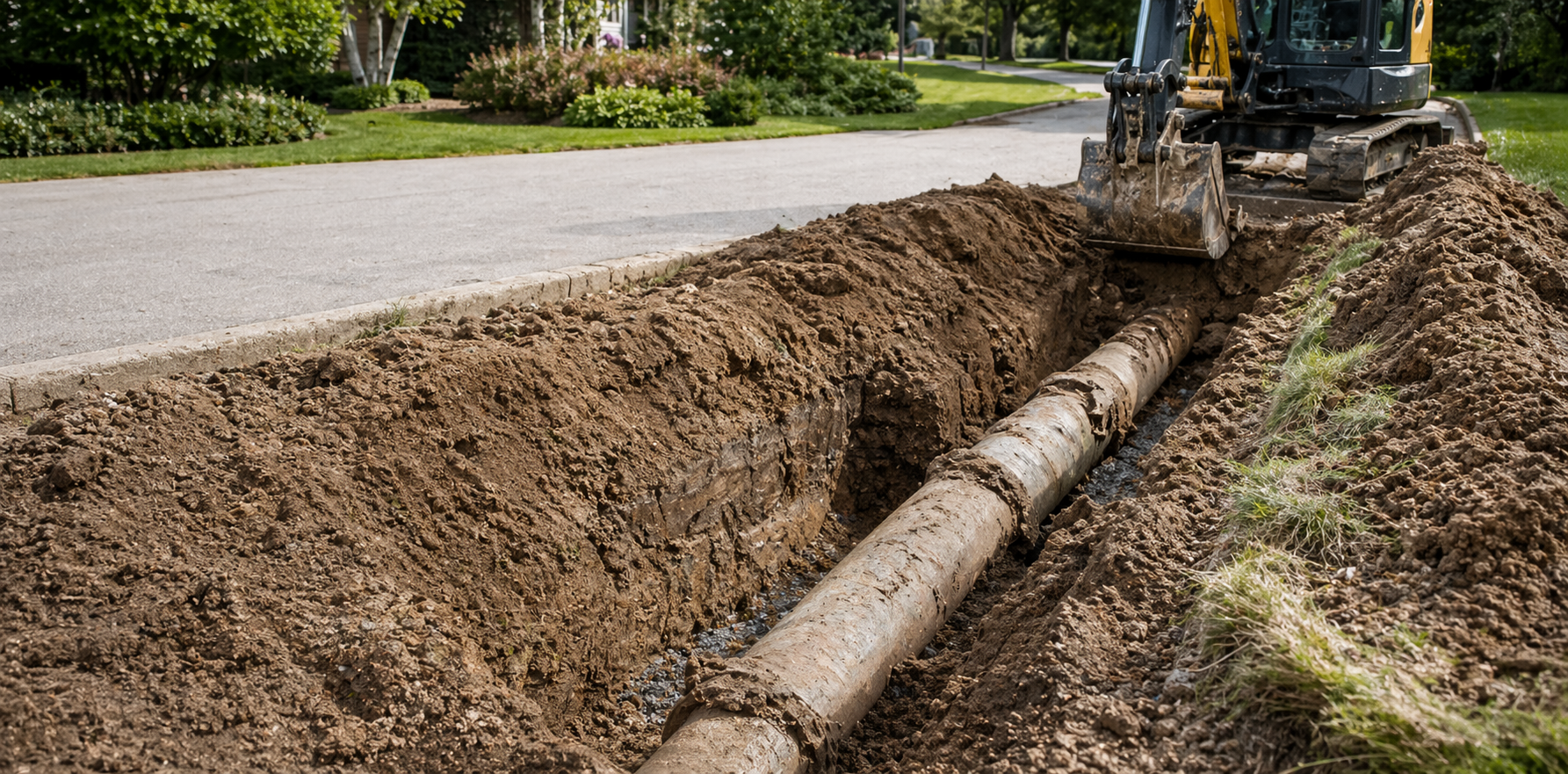
Sewer line replacement when the pipe has failed beyond what repair can fix - multiple defects, systemic material deterioration, or a line that has already been repaired and keeps failing at the next section. We camera the full run, confirm the replacement scope, and install new pipe.
What you are seeing
You have been through cleanings that did not hold. Maybe a spot repair that fixed one section while the next section started failing. The camera footage shows damage at multiple points, or the pipe material looks the same kind of deteriorated everywhere the camera can see. At some point the math changes - another repair costs almost as much as replacing the run, and it only fixes the next few feet.
That is where sewer line replacement starts. Not because repair was wrong before, but because the pipe has reached the point where repair is no longer the cost-effective answer.
When replacement is the right decision
Replacement applies when the camera shows damage that is too widespread, too systemic, or too advanced for section repairs to solve. Common triggers include multiple defects along the same run, pipe material that is deteriorating along its full length, lines that have already been spot-repaired and keep failing at the next weak point, or pipe types - Orangeburg, badly corroded cast iron, aging clay - that are reaching the end of their service life.
What you walk away with
You walk away with a new sewer line - new pipe, new joints, proper grade, verified connections - and camera footage proving the installation is sound from end to end. The cycle of repeated failures, repeated cleanings, and incremental repairs is over. The line you get back is built to last decades, and the camera footage serves as a documented baseline for the life of the new pipe.
Problem
Replacement is not the first recommendation. It is the recommendation that comes after the first, second, and sometimes third repair. By the time a homeowner is searching for sewer line replacement, they have usually spent money on cleanings and repairs that did not hold - and they are trying to figure out whether the next repair is worth it or whether it is time to replace the line.
The repair-to-replacement threshold is not always dramatic. Sometimes it is a camera showing three defects in a line where last year there was one. Sometimes it is a spot repair that held perfectly at its location while the adjacent section cracked six months later. Sometimes it is a pipe material - Orangeburg softening under soil weight, cast iron thinning from decades of corrosion, clay separating at every joint - where the next failure is not a question of if but when and where. The financial math is straightforward. Each repair requires its own excavation, its own backfill, its own surface restoration. A $2,500 repair done three times over five years costs $7,500 - and the line still is not reliable. A replacement done once installs new pipe from end to end and closes the book on the old line entirely. At some point, the cumulative repair cost meets or exceeds what a single replacement would have cost from the start. That does not mean every line with damage needs replacement. Plenty of sewer lines have one bad section with decades of life remaining in the rest of the pipe. The camera inspection is what separates the lines worth repairing from the lines that have crossed the threshold. It shows the full picture - every joint, every defect, every section of wall - so the decision is based on documented pipe condition, not on the assumption that the rest of the line is fine because the rest of the line is underground.
Solution
Sewer line replacement starts the same way a repair does - with a camera inspection of the full sewer line after jetting. Even if a previous camera report exists, the line needs to be re-documented before replacement is scoped. Pipe deterioration progresses between inspections, and the scope has to reflect what the pipe looks like now - not what it looked like six months or a year ago.
Once the camera confirms the replacement boundaries, the work plan accounts for three variables: how much pipe is being replaced, what method fits the site, and what the surface conditions require. Conventional replacement means excavating along the pipe path, removing the old line, setting new pipe at proper grade, making connections at each end, backfilling and compacting the trench, and restoring the surface. Trenchless replacement - pipe bursting - pulls new pipe through the path of the old one with less surface disruption, but the existing line has to be structurally viable enough to allow the bursting head to pass. The camera footage determines which method applies.
Replacement scope ranges from a partial run - replacing the worst section while leaving salvageable pipe in place - to a full run from building cleanout to city connection. Partial replacement makes sense when the camera shows a clear boundary between failed pipe and sound pipe. Full replacement makes sense when the material has deteriorated uniformly or when the cost difference between partial and full is small relative to the risk of the untouched section failing next.
Fit and situation bullets
Problem bullets
Customer Feedback
See what customers say after a sewer line replacement — from the project timeline and daily communication to the honest explanation of the replacement method, property condition, and how the new line was verified on camera.
Leave a Review!These guys are great! I run a plumbing company but don’t do drains. I often sub contract them to service my customers sewer lines. They don’t only make me happy, but they keep my customers happy and that’s what matters to me most. Thanks guys!
Amazing experience! They are knowledgeable, kind, courteous and very thorough. Our clogged kitchen pipe was a bit of a challenge but they kept going and did everything they could to get it unclogged and they did it! They were very upfront with what caused the clog, gave us video recording of our pipes so we can see exactly what was done, double checked to make sure the pipes were clean and free of clogs and gave us steps on how to maintain the pipes moving forward. Highly recommend!!
This company is Awesome!!! Highly recommend that you call them for your drain cleaning and power washing needs! A++ in service, cost, and quality of work. Alex and Jacob completed drain work, patio cleaning, and filled in cracks in cement. The patio looks brand new! Thank you Alex and Jacob!!!
Alex was very good to work with. They were professional and punctual, working around my schedule. They were able to show me exactly before and after, even showing footage inside my pipes, which I have never seen before. I would recommend them.
Awesome experience! AJ was super professional and got us back in service. They offered us a few solutions and cleared our clogged sewer line for an excellent price
Very professional and arrived fast. Would recommend to everyone. If I could give them 10 stars I would!
Very pleased by my wonderful experience with this company and their service. They were very efficient and fast with their time. I appreciate their professionalism and commitment to the work they did for me!
Why Mountain West
Camera rated to 200 feet
Documents the full sewer line before the replacement scope is set and again after the new pipe is installed - giving the property owner verified footage of every joint, grade change, and connection in the new line as a permanent installation record.
Jetting and camera on every call
Hydro jetting equipment deploys on every service call. On replacement jobs, jetting clears the existing line so the pre-replacement camera inspection captures true pipe condition - the difference between documenting the damage accurately and scoping replacement from a partially obstructed view.
3,850 PSI jetting capability
Clears lines 2 to 12 inches in diameter at 3,850 PSI and 8 GPM with 300 feet of reach. Even on a line headed for replacement, clearing it first ensures the camera documents the full extent of deterioration so the replacement boundaries are set correctly.
20+ years combined field experience
Two decades of replacement work across clay, cast iron, Orangeburg, and PVC - including the judgment to determine when a line has genuinely crossed from repairable to replacement territory and when a repair still makes more sense.
Licensed and insured
Licensed for sewer, drain, and drainage system work including excavation, trenching, backfill, compaction, concrete, and asphalt work. Every phase of a sewer line replacement falls within the licensed scope.
A sewer line replacement is a multi-phase job. Here is what happens from the initial camera inspection through the completed installation.
You leave the job with a new sewer line, verified camera footage of the completed installation, a permanent record of every connection and grade change, and the confidence that the cycle of repeated failures is over.
Not every failing sewer line needs full replacement, and some replacement decisions involve choosing between methods. If you are still determining whether the line has crossed the repair threshold, or if the pipe may qualify for a less disruptive method, these services cover the adjacent decisions.
Evidence
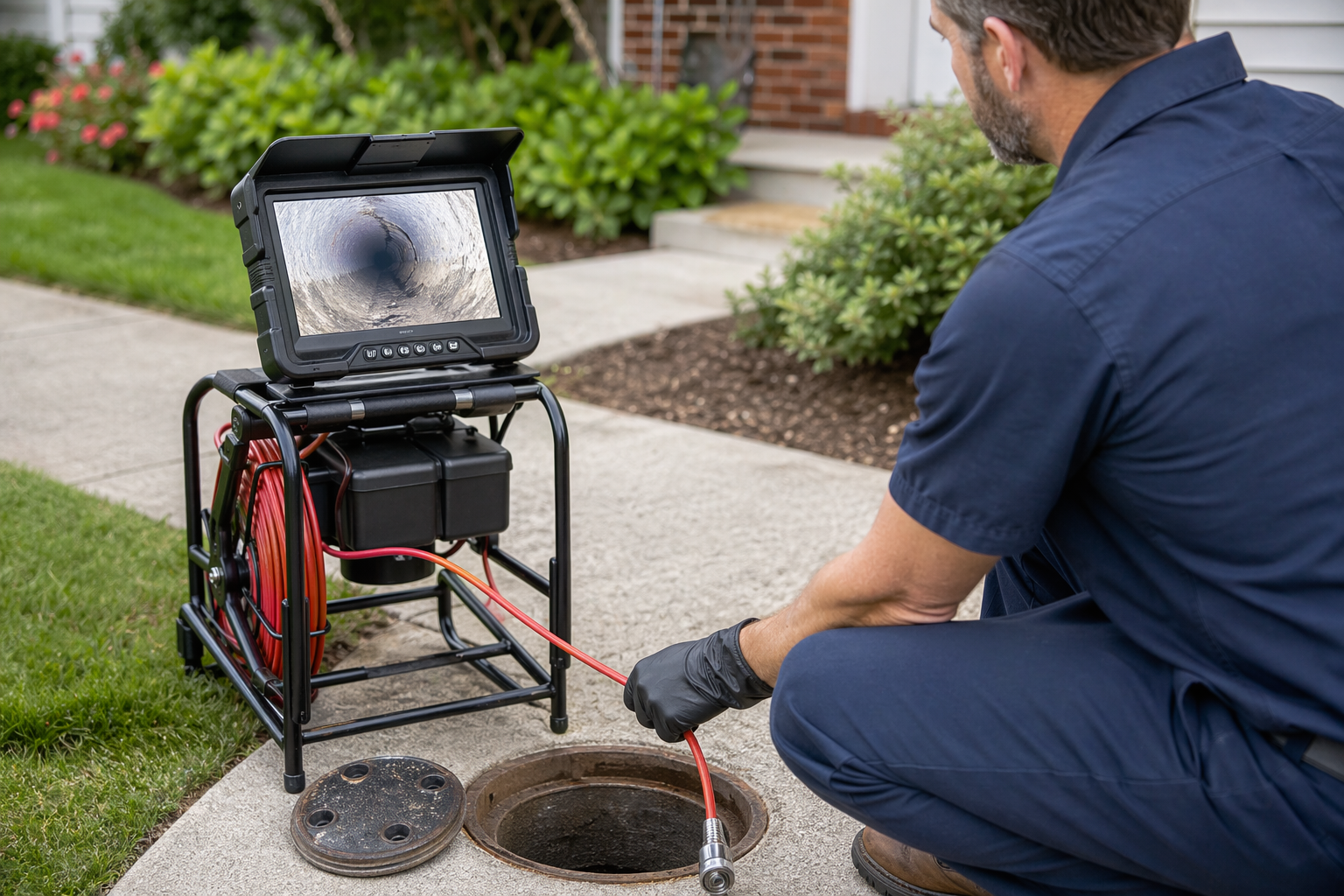 Next Service RouteSewer Camera InspectionIf no camera has been run recently, start here. Sewer camera inspection documents the current condition of the full line and provides the evidence that determines whether the pipe is a repair candidate, a partial replacement, or a full replacement - before any excavation begins.
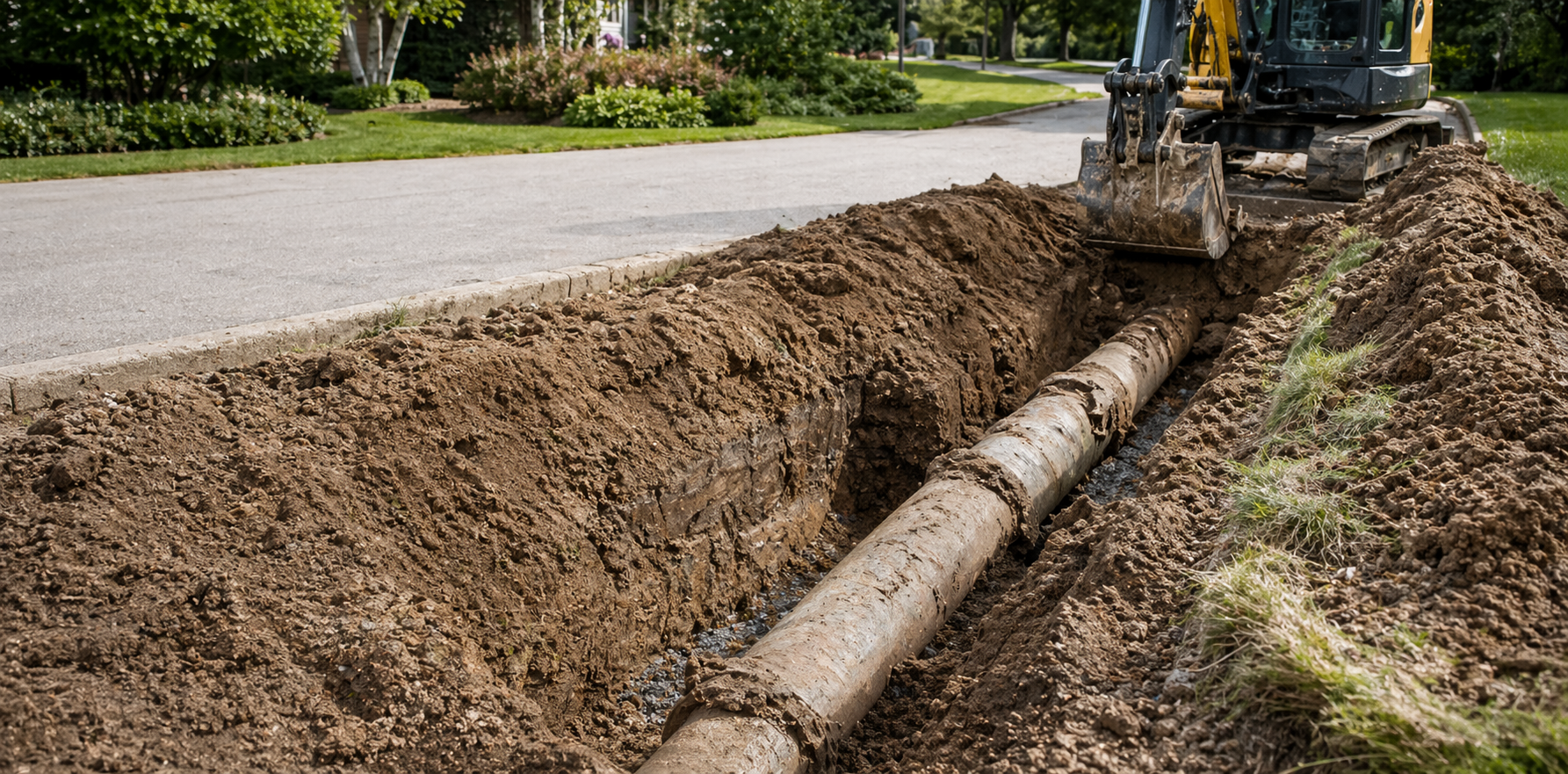 Next Service RouteSewer Line RepairIf the camera shows isolated damage with sound pipe surrounding it, sewer line repair may be the more cost-effective path - fixing the failed section without replacing pipe that still has years of service life remaining.
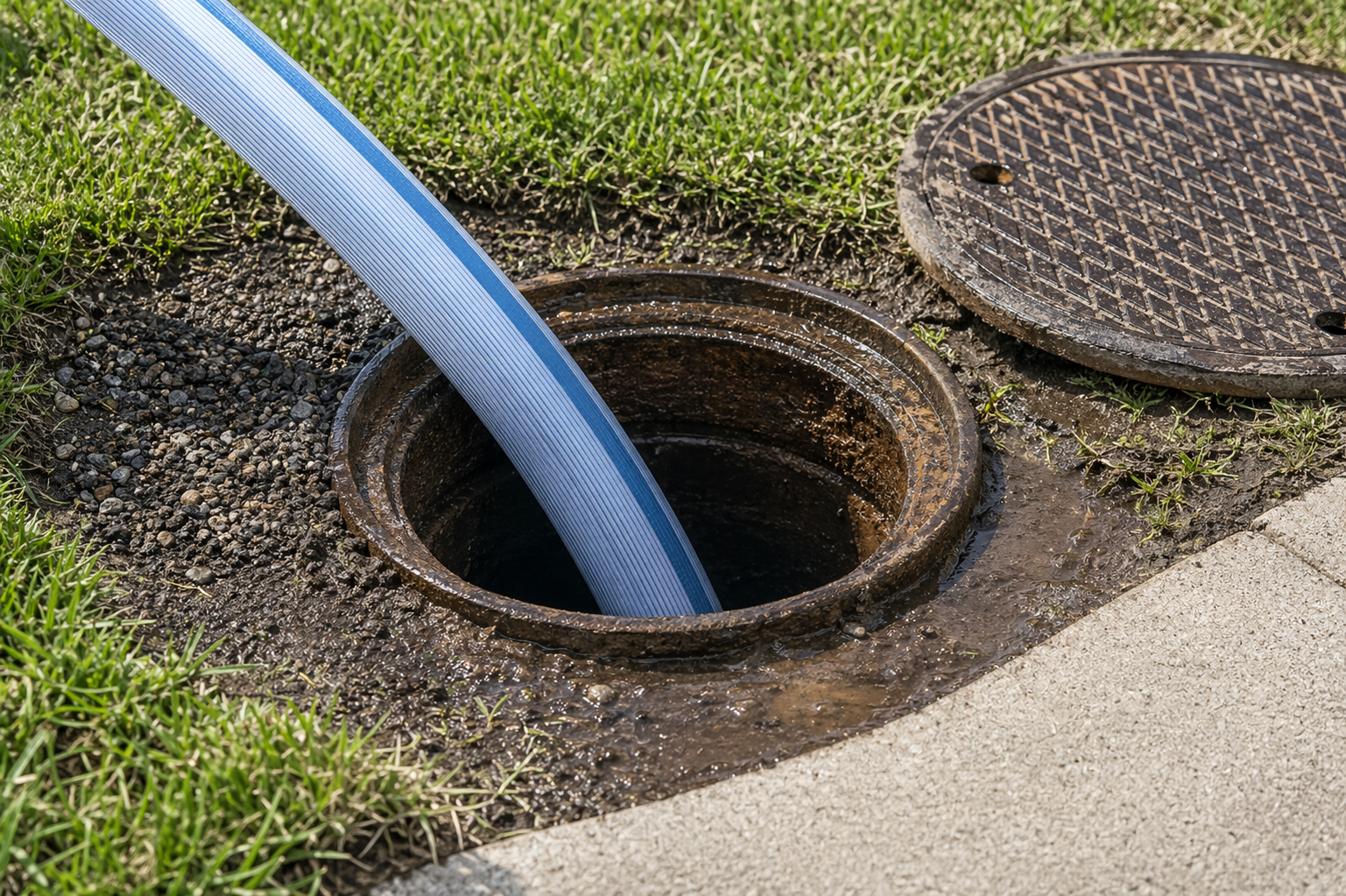 Next Service RouteTrenchless Sewer RepairTrenchless sewer repair for lines that qualify for pipe lining or pipe bursting - less surface disruption and faster completion when the existing pipe meets the structural requirements for a trenchless method.
Scope and timing
Cost
Support
These are the quick answers most people want before they call, book, or decide on the next step.
A sewer line should be replaced when the camera shows damage at multiple points along the run, when the pipe material has deteriorated systemically rather than at one isolated location, when previous repairs have not produced long-term reliability, or when the cumulative cost of continued repairs has reached the cost of a single replacement. Common replacement triggers include Orangeburg pipe that is collapsing, cast iron with widespread corrosion, and clay lines with root intrusion at every joint.
The technician jets and cameras the full sewer line to document the pipe condition and confirm the replacement boundaries. The failed pipe is removed and new pipe is installed at proper grade with verified connections at each end. The trench is backfilled, compacted, and the surface is restored. A post-installation camera pass verifies the new line's slope, joint integrity, and overall condition.
Sewer line replacement cost depends on the total length of pipe being replaced, the depth of the line, the replacement method conventional excavation versus trenchless pipe bursting, and the surface restoration required. Lines under open yard are less expensive to replace than lines under driveways, sidewalks, or landscaping. A partial replacement of the worst section costs less than a full-run replacement. Mountain West provides a detailed scope and estimate after the camera inspection confirms the replacement boundaries.
Most residential sewer line replacement jobs take two to five days. A partial replacement on a shallow line in open yard can finish in two to three days. Full-run replacements, deeper lines, lines under hardscape, or jobs requiring concrete removal and restoration take longer. Trenchless pipe bursting often completes faster than conventional excavation when the line qualifies. The timeline is confirmed after the camera inspection and scope review.
Related Reading
These follow-up reads stay close to this service and answer the pricing, warning-sign, process, and comparison questions that usually come next.
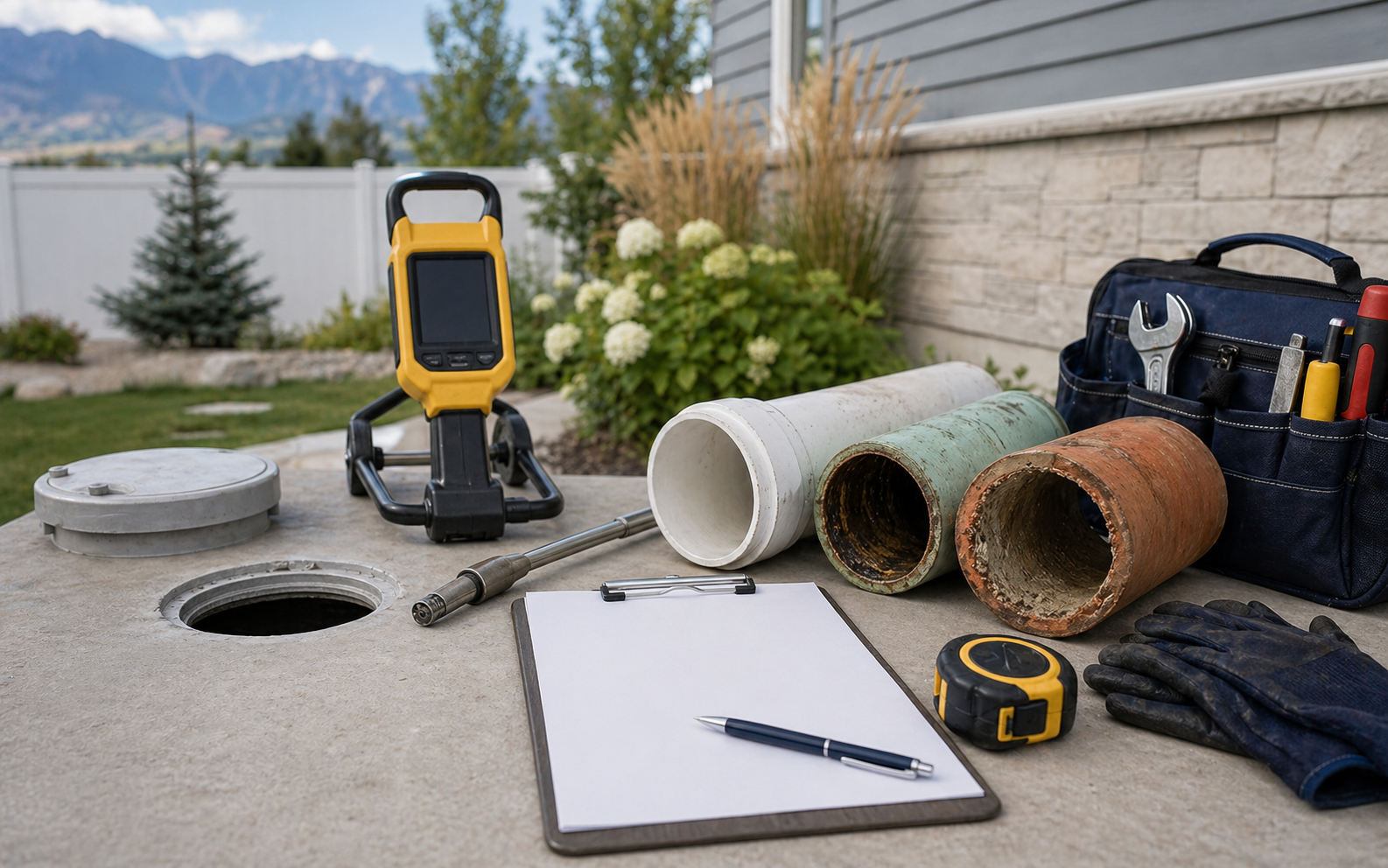
Cost Question
Covers the cost variables on sewer work - repair and replacement - including how pipe depth, material, method, and surface restoration drive the difference between a repair quote and a full replacement estimate.
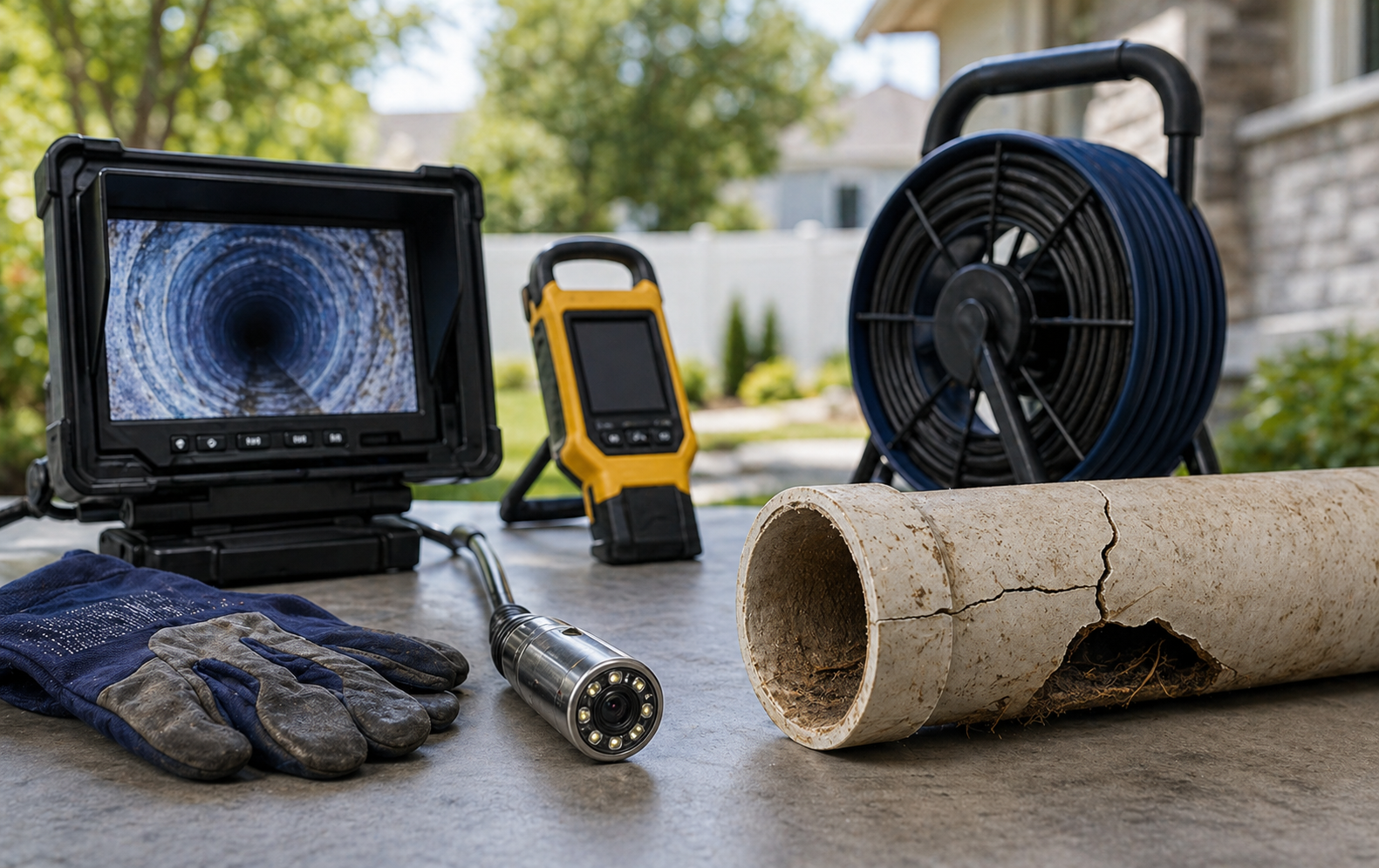
Warning Signs
How to read the warning signs that point to a failing sewer pipe - and when those signs suggest the damage has moved past repair into replacement territory.
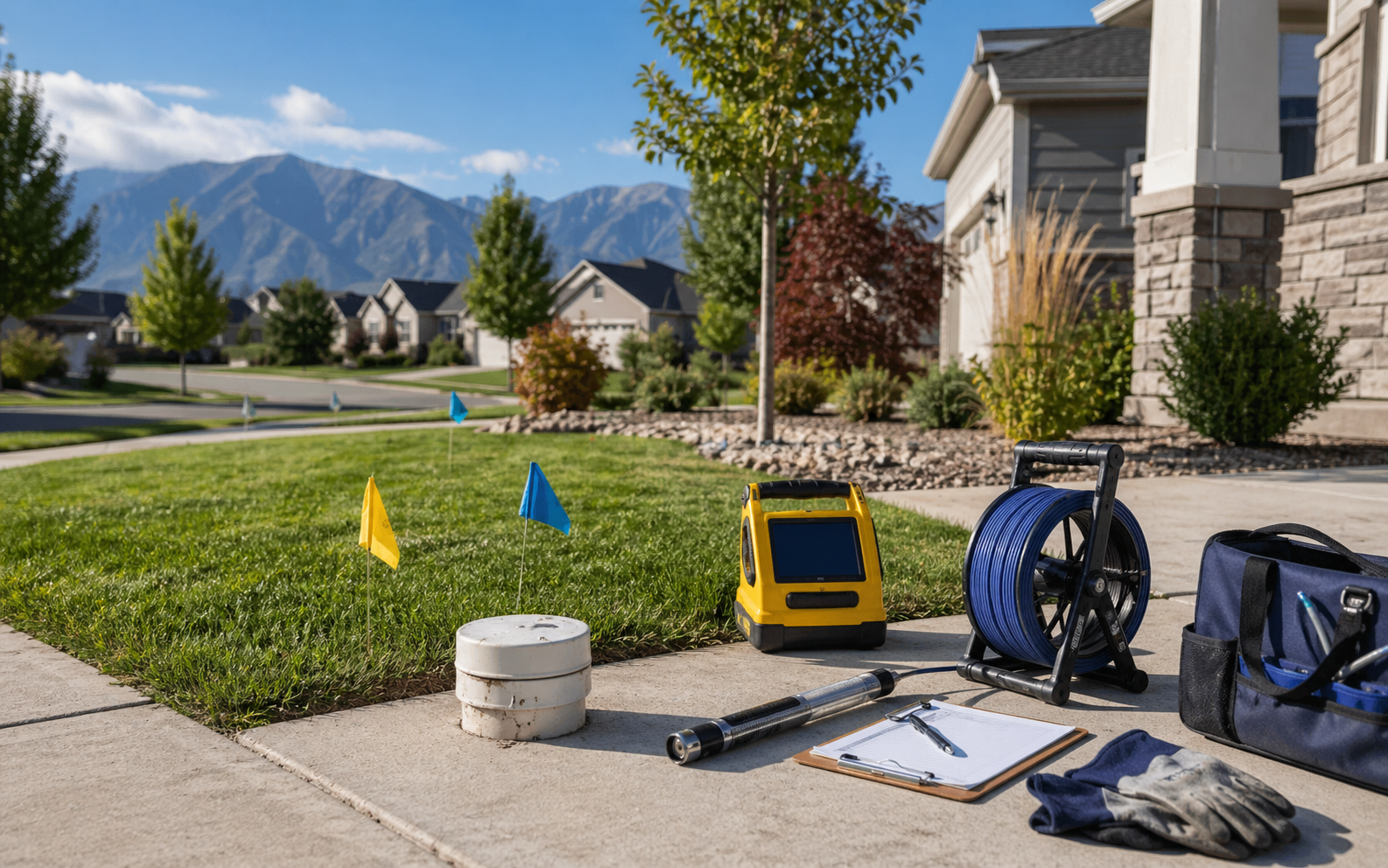
Service Explainer
What to expect from a sewer repair or replacement visit - the process from initial camera inspection through completed installation and the questions worth asking at each stage.