Mountain West Jetting
Mountain West logoMountain West Hydro Jetting & Sewer Maintenance LLC

SEWER LINE REPAIR: WARNING SIGNS YOUR PIPE NEEDS MORE THAN CLEANING

Blog Article

Story by Mountain West Hydro JettingPublished June 18, 2026Sewer Line RepairServing Northern Utah and the Salt Lake corridor

Sewer Line Repair: Warning Signs Your Pipe Needs More Than Cleaning

The most common warning signs that a sewer pipe may be cracked, broken, offset, or failing, and how to tell when the problem has moved past cleaning.

Start Here

Most drain problems do not arrive with a neat label. They show up as a gurgle, a smell, a slow fixture, or a backup that makes the room feel suddenly smaller. This guide helps turn those clues into a readable pattern.

What This Article Helps You Do

  • Start with the visible symptom and trace what part of the system it may point to.
  • Separate isolated fixture behavior from patterns that suggest a main line or sewer issue.
  • Know which details are worth mentioning before scheduling help.

Quick Takeaway

Sewer Line Repair: Warning Signs Your Pipe Needs More Than Cleaning is about pattern recognition. One odd drain can be local; repeated symptoms, multiple fixtures, odor, or active backup deserve a broader drain-and-sewer look.

The Warning Signs

A broken sewer pipe rarely announces itself all at once. More often, the signs show up as repeat backups, sewer odor, wet ground, root problems, or a camera finding that explains why cleaning keeps failing.

This article walks through each warning sign individually so you can tell when the issue is likely still a cleaning problem and when it has moved into sewer line repair territory.

The Clues That Matter Most

These are the warning signs that most often point beyond a routine clog and toward a cracked, broken, offset, or failing sewer pipe.

Start with the normal pattern: wastewater should move away from the fixture, through the branch line, into the larger building drain or sewer lateral, and out toward the public or private collection system. Most confusion starts when one symptom is judged without locating where that pattern is breaking down.

For sewer line repair and replacement questions, the useful first step is separating a local fixture issue from a deeper line condition, because those two situations can look similar at the surface but lead to different next steps.
  1. Recurring backups in the same line can mean the pipe is damaged, sagging, offset, invaded by roots, or narrowing in a way cleaning cannot hold open for long.
  2. Sewage odor inside or outside the house can point to wastewater escaping, trapped waste, venting trouble, or a sewer line that is no longer carrying flow the way it should.
  3. Wet, sunken, or unusually green patches in the yard can suggest wastewater is leaking into the soil along the sewer path.
  4. Slow drainage across multiple fixtures is more concerning than one slow sink because it can point to a shared main-line restriction.
  5. Gurgling sounds from drains or toilets can mean air is being displaced by a restriction or backup deeper in the system.
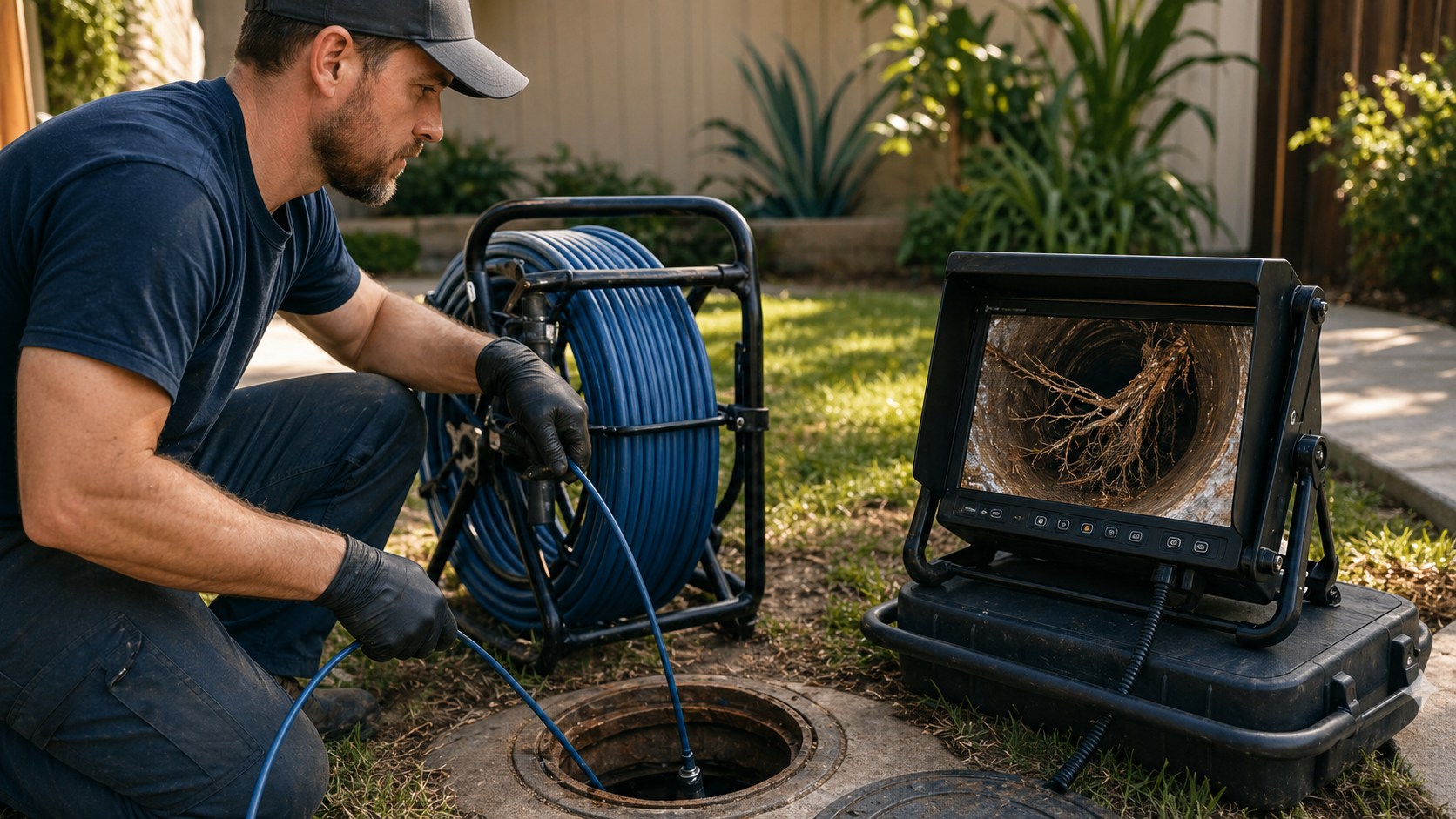
  6. A history of root intrusion usually means roots found an opening, joint, crack, or weak spot in the line.
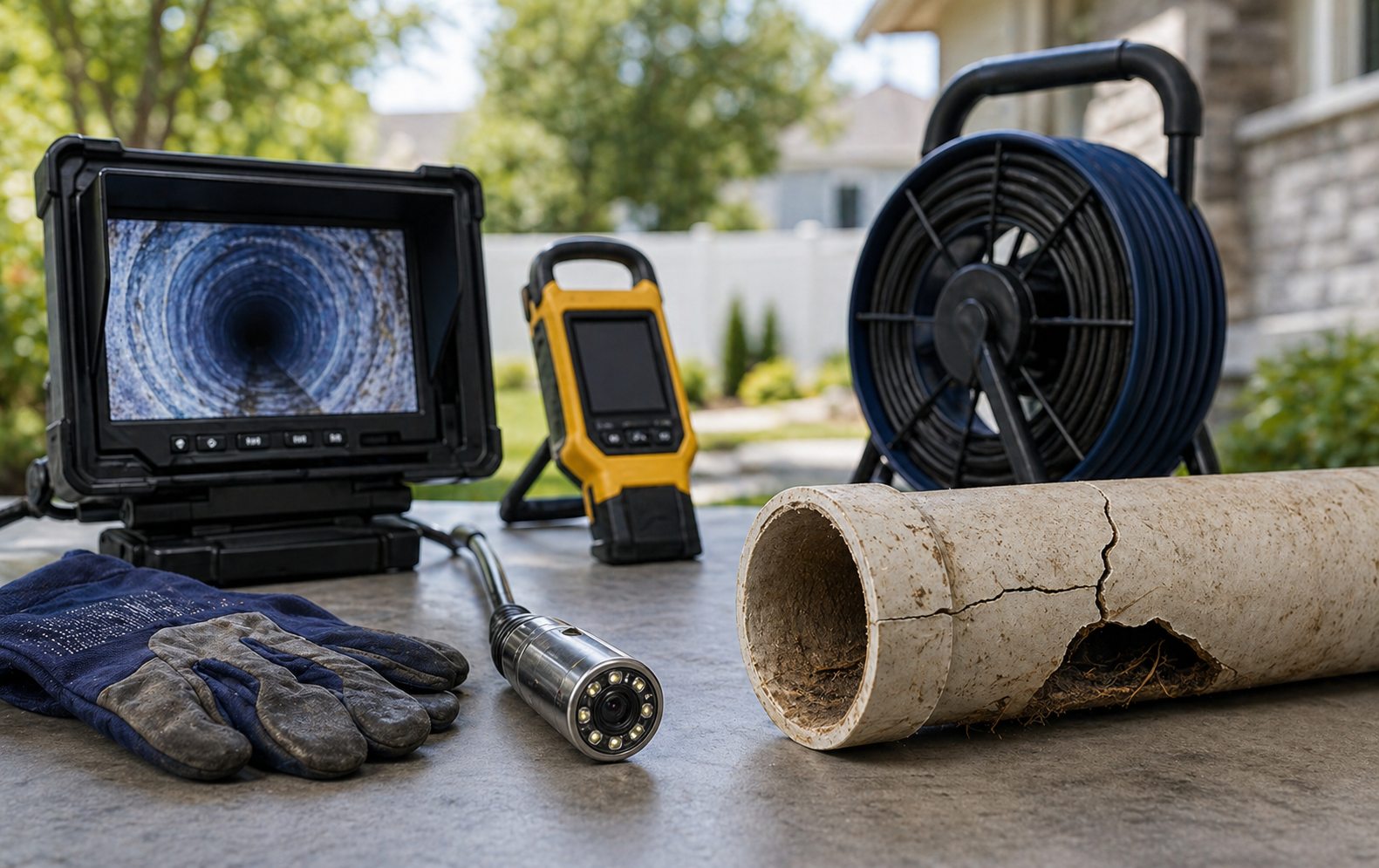
  7. Camera findings that show cracks, offsets, separations, bellies, collapse, or root entry points are the clearest signal that repair planning belongs in the conversation.

How To Read The Pattern More Clearly

When several warning signs line up, the goal is to move from symptoms to evidence before another cleaning visit turns into a repeat cycle.

The goal is to move from guesswork to evidence. Good decisions usually come from the same sequence: define the symptom, locate the likely part of the system, check whether the issue is repeating, and decide whether cleaning, inspection, jetting, or repair planning fits.

That sequence keeps the article useful before any service conversation happens. It helps readers ask better questions and makes it harder for a vague diagnosis to sound more certain than it really is.

  1. Document what you are seeing, including which drains are affected, how often the backup returns, whether odor is present, and whether the yard has changed.
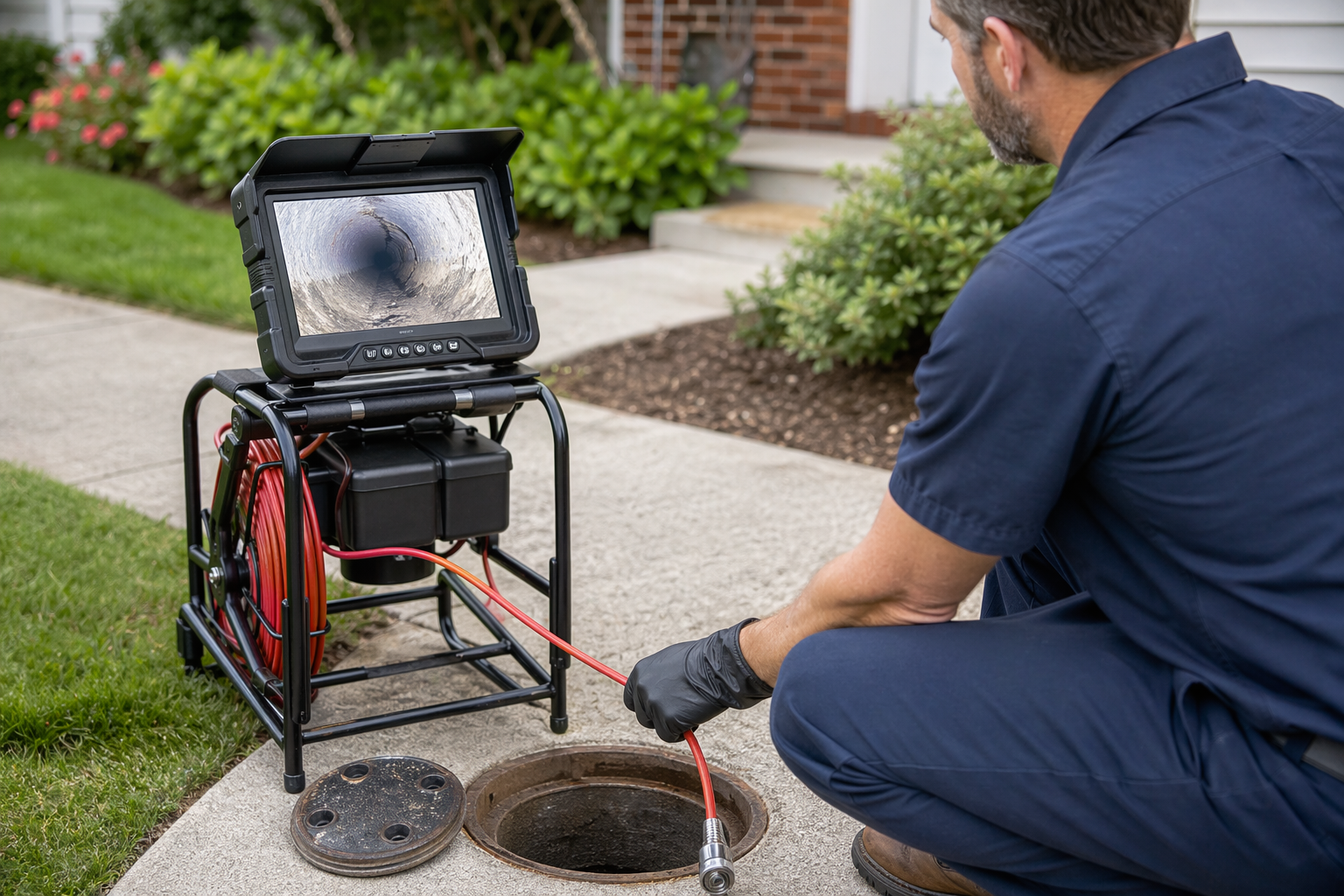
  2. Get a sewer camera inspection so the repair decision is based on pipe condition instead of guessing from symptoms alone.
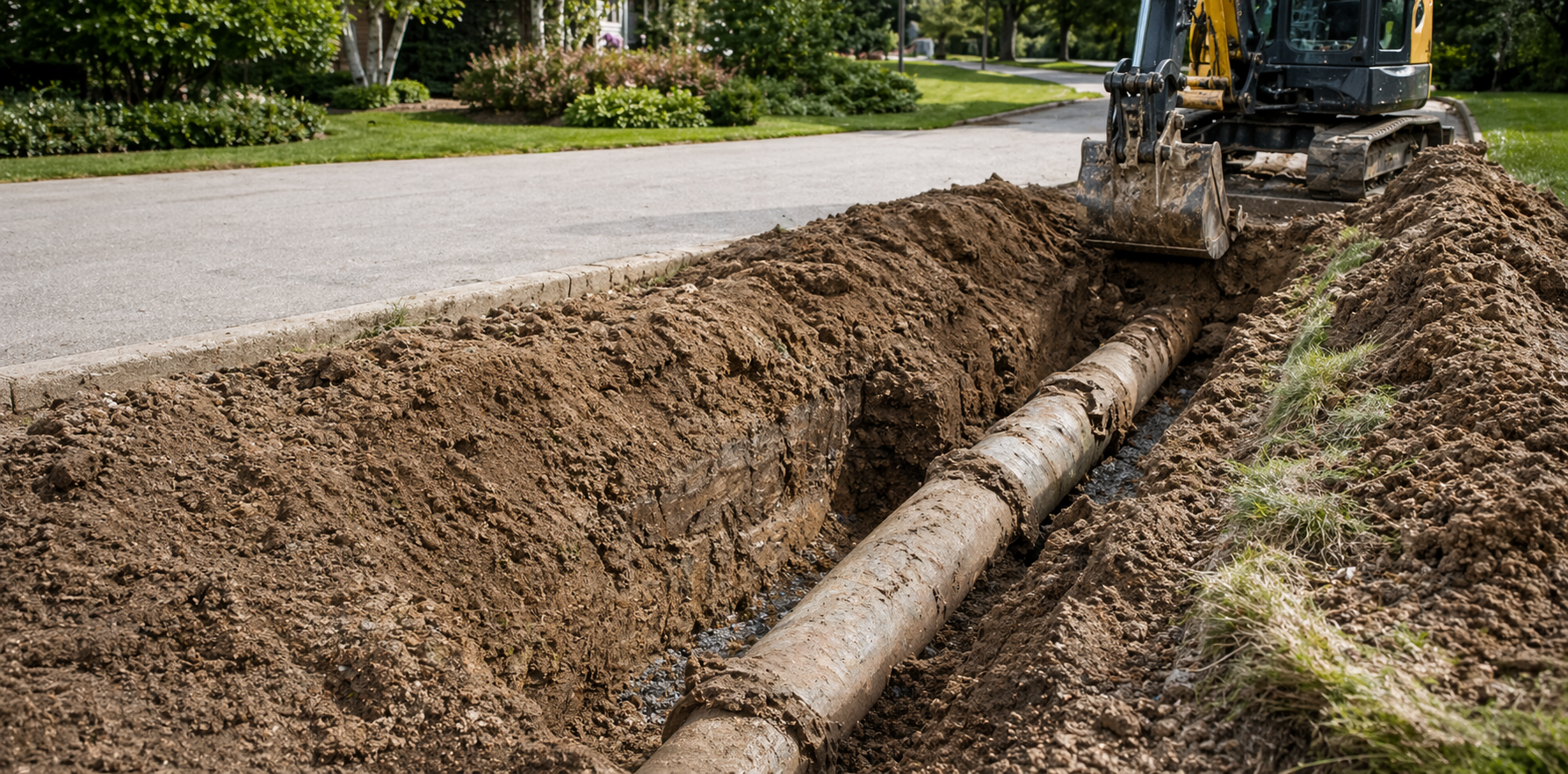
  3. Match the repair to the defect, because a localized crack, offset joint, collapsed section, root entry point, or failing run can require different repair methods.

Details That Make The Pattern Clearer

A clear repair conversation starts with what you have seen, where it happened, how often it returned, and what inspection shows inside the line.

Small details often change the interpretation. Which fixture backed up first, whether more than one drain is affected, whether the problem returned after clearing, and whether there is odor or standing water all matter.

Use these notes to describe the issue clearly. A good description is often the difference between booking a narrow cleaning visit and starting with inspection or a broader sewer conversation.

  1. Write down whether the same line keeps backing up after previous cleaning.
  2. Mention sewage odor, wet soil, sinking ground, or unusually green grass near the suspected sewer path.
  3. Tell the technician about past root intrusion, old pipe material, previous sewer work, or known settling around the property.
  4. Save any prior camera footage or inspection notes so the next visit can compare evidence instead of starting from scratch.

How We Usually Look At It

Mountain West Hydro Jetting helps homeowners in Northern Utah figure out whether a sewer issue is still a cleaning problem or whether it has become a repair problem.

This is where the article connects back to real service work. The point is not to turn every concern into the biggest possible job; it is to match the symptom pattern to the least confusing next step that can actually answer the question.

Tying the topic back to sewer line repair and replacement keeps the advice grounded. The work should explain what was found, what is still uncertain, and why the recommended next step fits the evidence.

  1. We can inspect the line, identify whether the pattern points to buildup, roots, damage, offset, collapse, or another structural issue.
  2. If the pipe can be cleaned, we explain that. If the line needs repair planning, we explain what the camera shows and what options make sense.
  3. Call or text 801-317-8104, or email info@mountainwesthydrojetting.com, to talk through the symptoms before scheduling.

Questions That Usually Follow

These questions help turn warning signs into a pattern. One symptom can be misleading; repeated symptoms, multiple fixtures, odor, or active backup usually deserve a calmer but broader look.

For the warning signs questions, the useful follow-ups are about what the signs suggest, what they do not prove yet, and when the pattern points beyond an isolated drain problem.

Frequently Asked Questions

Source Log

These sources were used for background, claim checking, or local context. The article explains the topic in Mountain West's own words and does not copy outside article structure or long passages.

Related Next Steps

Next StepSewer Line Repair And ReplacementGo here if the warning signs points toward structural sewer repair instead of another cleaning-only visit.Next StepSewer Camera InspectionUse this page if the warning signs makes you want diagnostic footage before choosing the next path.Next StepGet A Free QuoteStart a free quote if you want service-fit or pricing guidance after this article.Next StepRead BlogCompare adjacent articles around the warning signs before you choose the next path.

Read This Next

These articles stay close to the same decision without repeating this one. Use them when the symptoms, timing, or service path points in a slightly different direction.

Sewer Line Repair Near Me: What to Expect From Start to Finish article image for Sewer Line Repair And Replacement.Blog ArticleSewer Line Repair Near Me: What to Expect From Start to FinishRead this next for another sewer line repair and replacement angle that builds on this article.Sewer Camera Inspection: How Root Intrusion Is Found and What It Means article image for Sewer Camera Inspection.Blog ArticleSewer Camera Inspection: How Root Intrusion Is Found and What It MeansOpen this if you want the sewer camera inspection side of the decision next.Main Line Drain Cleaning: How to Tell When a Clog Is More Than a Fixture Problem article image for Main Line Drain Cleaning.Blog ArticleMain Line Drain Cleaning: How to Tell When a Clog Is More Than a Fixture ProblemUse this related article if you want the next question after this article explained in a little more depth.

Quick Answers About Sewer Line Repair: Warning Signs Your Pipe Needs More Than Cleaning

These are the quick answers most people want before they call, book, or decide on the next step.

What is this article about?

The most common warning signs that a sewer pipe may be cracked, broken, offset, or failing, and how to tell when the problem has moved past cleaning. It connects the topic back to sewer line repair and replacement when readers are trying to decide on the right next move.

Who is this article best for?

A broken sewer pipe rarely announces itself all at once. More often, the signs show up as repeat backups, sewer odor, wet ground, root problems, or a camera finding that explains why cleaning keeps failing. It is most useful for readers trying to understand the issue before they book, compare services, or decide whether the symptoms point to a bigger sewer or drain problem.

What should I do after reading this article?

If the issue sounds familiar, the usual next step is to review the sewer line repair and replacement page or compare it with sewer camera inspection before deciding whether to request a quote, book service, or call for faster guidance.

How can I reach Mountain West?

Mountain West Hydro Jetting serves Northern Utah and the Salt Lake corridor. You can reach us at 801-317-8104 or info@mountainwesthydrojetting.com.