Negs
Very professional and arrived fast. Would recommend to everyone. If I could give them 10 stars I would!
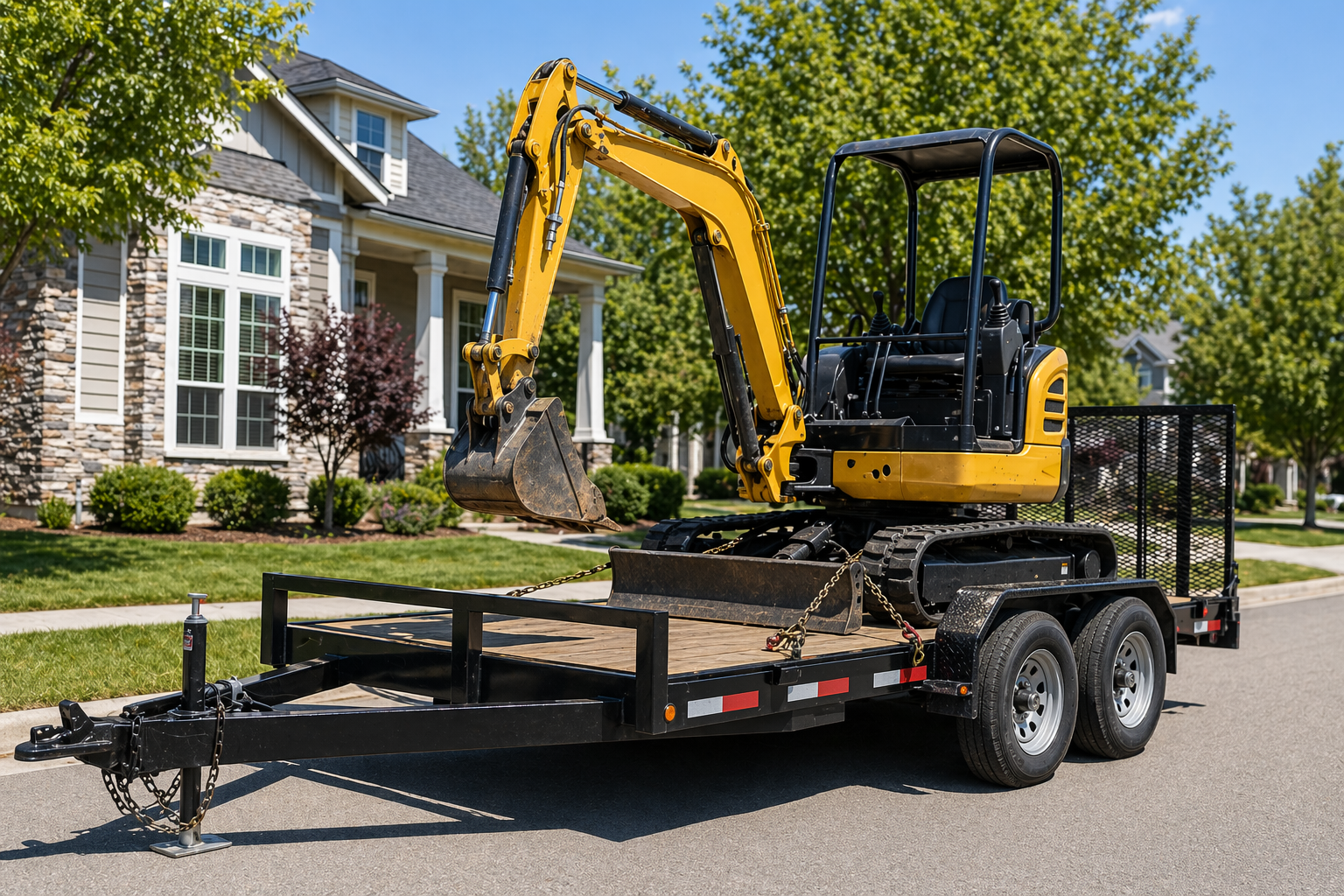
Sewer excavation for sewer repairs and replacements that cannot be completed without controlled digging, trench access, and site preparation.
What property owners are noticing
Use sewer excavation when the damaged sewer line cannot be reached, repaired, or replaced without controlled digging. Common clues include sewer failures that cannot be fixed from the surface and repair scopes where the pipe needs to be physically exposed before work can start.
When this service fits
This service fits when the sewer repair requires trench work, yard or driveway access cuts, or direct line exposure - and the real question is how the dig path, utilities, and surface restoration shape the project.
Use this service family when the line cannot be reached without digging and trenchless methods have been ruled out or don't fit the damage.
What tends to improve
Cleaner site access, a more direct repair path, and a clearer explanation of when excavation is truly necessary versus when a lower-disruption method may still work. Owners stop wondering whether they're digging for the right reason.
Problem
Nobody wants to dig up their yard or driveway unless there's no better option. Sewer excavation exists for the situations where there isn't - the pipe is too damaged, too deep, too far gone, or in a position where trenchless methods can't reach it. The question on this page is when digging is the right call and what that project actually looks like.
This page covers the broader sewer excavation service family. The narrower services below go deeper into specific excavation situations by access type, urgency, and surface impact.
Solution
Sewer excavation is the access method for sewer projects where the line cannot be reached, repaired, or replaced any other way. It's not the first option - it's the option when the other options don't fit.
This category fits when the job is no longer just about pipe condition but about trench path, surface disruption, depth, utilities, and how the crew gets to the line safely and puts the site back together afterward.
Fit and situation bullets
Reviews
See what homeowners and businesses say after sewer excavation — from how the dig was managed to the communication on timeline, property impact, and what the crew found once the line was exposed.
Read more reviews on GoogleThese guys are great! I run a plumbing company but don’t do drains. I often sub contract them to service my customers sewer lines. They don’t only make me happy, but they keep my customers happy and that’s what matters to me most. Thanks guys!
Amazing experience! They are knowledgeable, kind, courteous and very thorough. Our clogged kitchen pipe was a bit of a challenge but they kept going and did everything they could to get it unclogged and they did it! They were very upfront with what caused the clog, gave us video recording of our pipes so we can see exactly what was done, double checked to make sure the pipes were clean and free of clogs and gave us steps on how to maintain the pipes moving forward. Highly recommend!!
This company is Awesome!!! Highly recommend that you call them for your drain cleaning and power washing needs! A++ in service, cost, and quality of work. Alex and Jacob completed drain work, patio cleaning, and filled in cracks in cement. The patio looks brand new! Thank you Alex and Jacob!!!
Alex was very good to work with. They were professional and punctual, working around my schedule. They were able to show me exactly before and after, even showing footage inside my pipes, which I have never seen before. I would recommend them.
Awesome experience! AJ was super professional and got us back in service. They offered us a few solutions and cleared our clogged sewer line for an excellent price
Very professional and arrived fast. Would recommend to everyone. If I could give them 10 stars I would!
Very pleased by my wonderful experience with this company and their service. They were very efficient and fast with their time. I appreciate their professionalism and commitment to the work they did for me!
Why Mountain West
Camera-confirmed dig path
Camera rated to 200 feet with radio transmitter locating so the dig targets the actual defect, not an estimated area. Less guessing means a smaller trench and less surface disruption.
811/Blue Stakes coordination
Public utility locating is part of every excavation scope. Mountain West follows the 811/Blue Stakes framework for public utility identification and works with the owner to identify privately installed underground improvements before digging starts.
Jetting and camera on every call
Hydro jetting equipment and camera deploy together. If the line needs clearing or post-repair verification, it happens in the same visit.
20+ years combined field experience
Not a new crew learning on your property.
Licensed and insured
Licensed for sewer, drain, and drainage system work , including excavation, trenching, boring, backfill, concrete, and asphalt work necessary for drainage systems.
This category starts by confirming where the line sits, what has to be opened to reach it, and whether excavation is the right access method for the repair.
The owner walks away with a repaired or replaced sewer line, a restored site, and a clear explanation of what was found once the pipe was exposed.
If the line may qualify for a lower-disruption method, or if the scope is bigger than expected, these are the next routes.
Evidence
If the trench runs deeper, longer, or closer to utilities than first expected, excavation planning has to expand with protective systems, access, and restoration in mind.
Sources: Occupational Safety and Health Administration OSHA, U.S. Environmental Protection Agency EPA
Direct access can be necessary, but site conditions, trench safety, and utility conflicts can shape the project as much as the sewer defect itself.
Sources: Occupational Safety and Health Administration OSHA
Once the line is exposed, the job may widen from repair into broader replacement if the visible pipe condition is worse than expected.
Sources: U.S. Environmental Protection Agency EPA, U.S. Environmental Protection Agency EPA
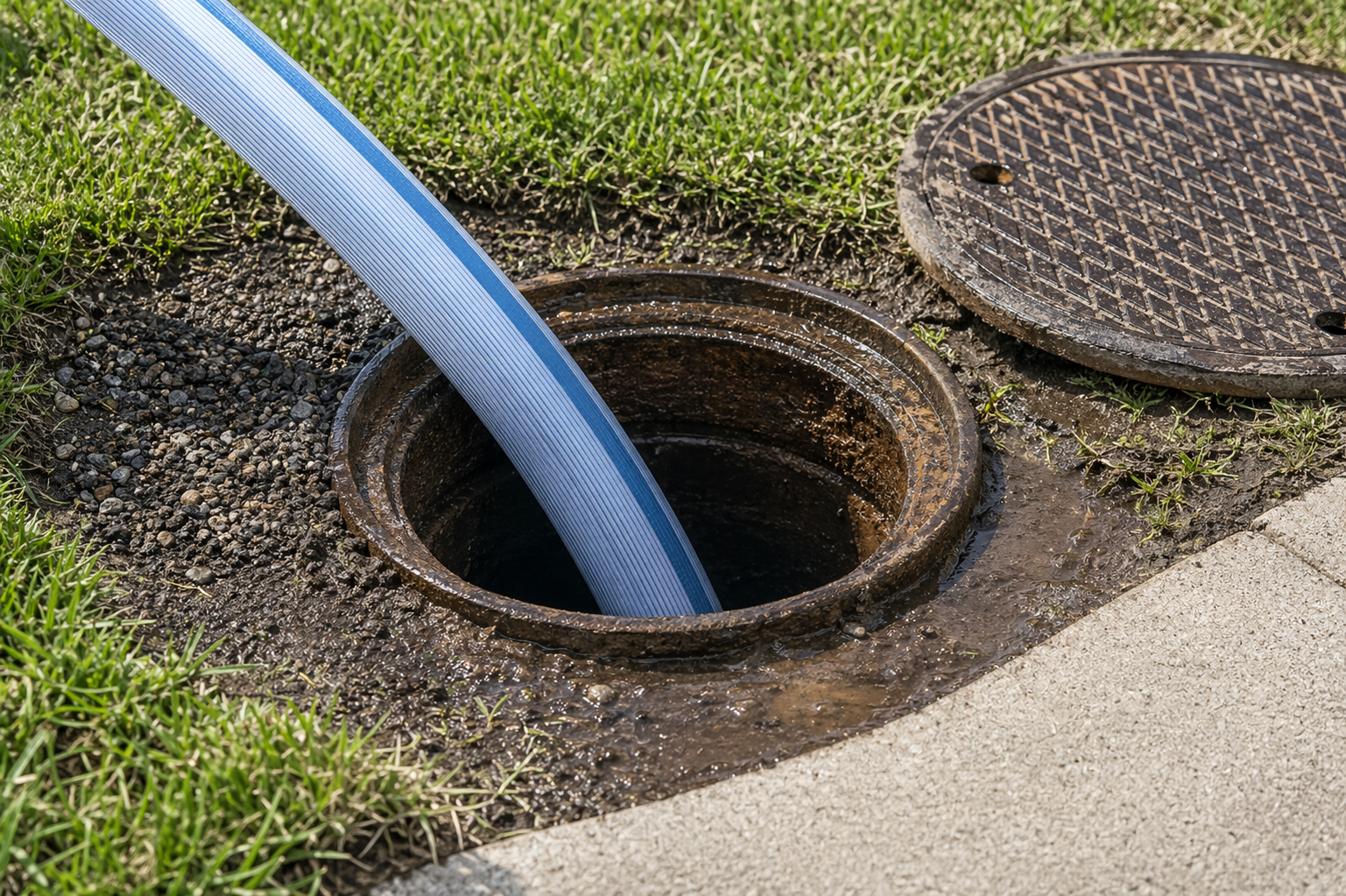 Next Service RouteTrenchless Sewer RepairLower-disruption rehabilitation and replacement for lines that may qualify for pipe lining, pipe bursting, CIPP, or no-dig methods.
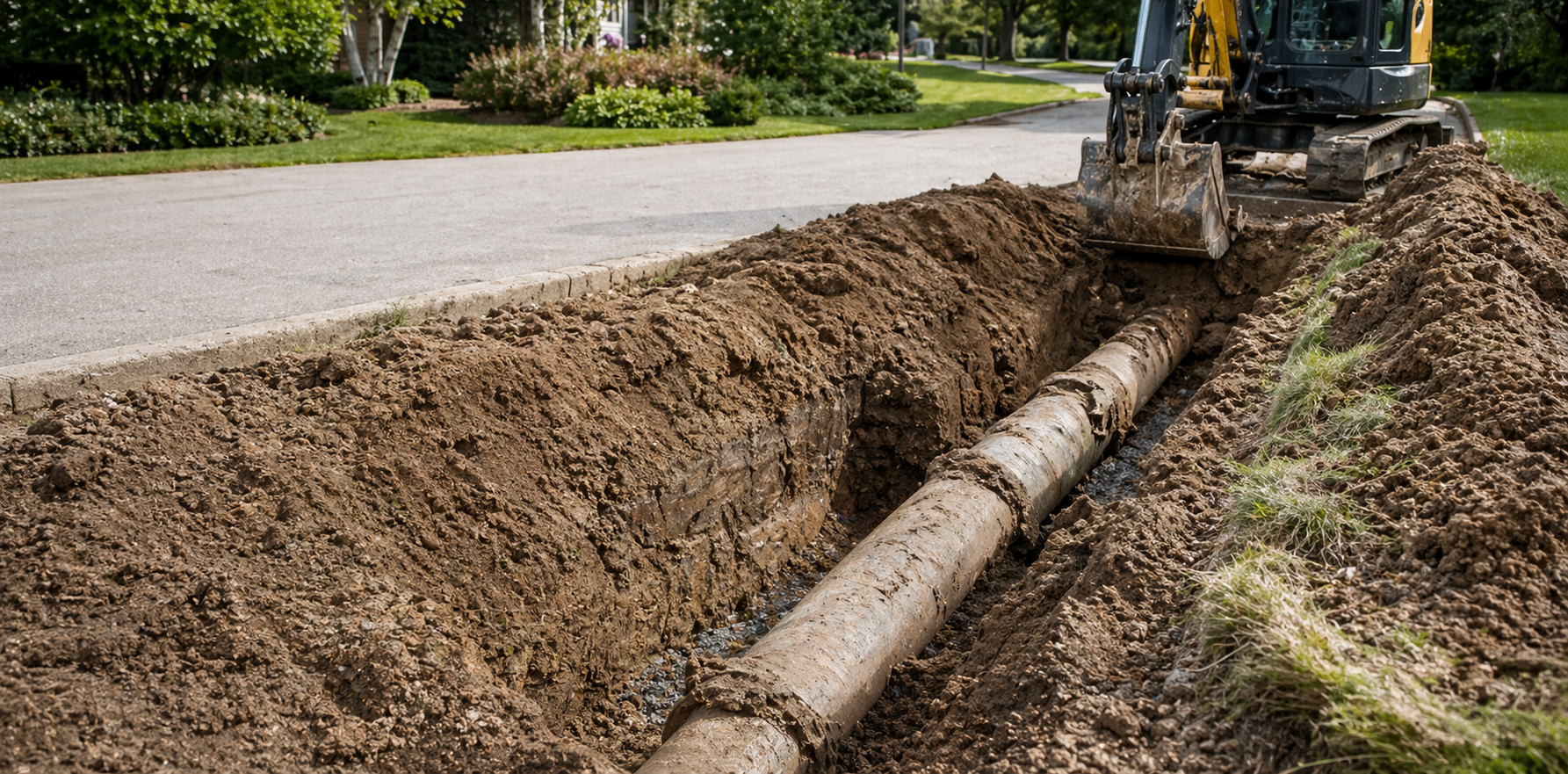 Next Service RouteSewer Line Repair And ReplacementRepair and replacement for damaged sewer lines, failing main lines, broken pipe sections, and structural defects beyond what cleaning can fix.
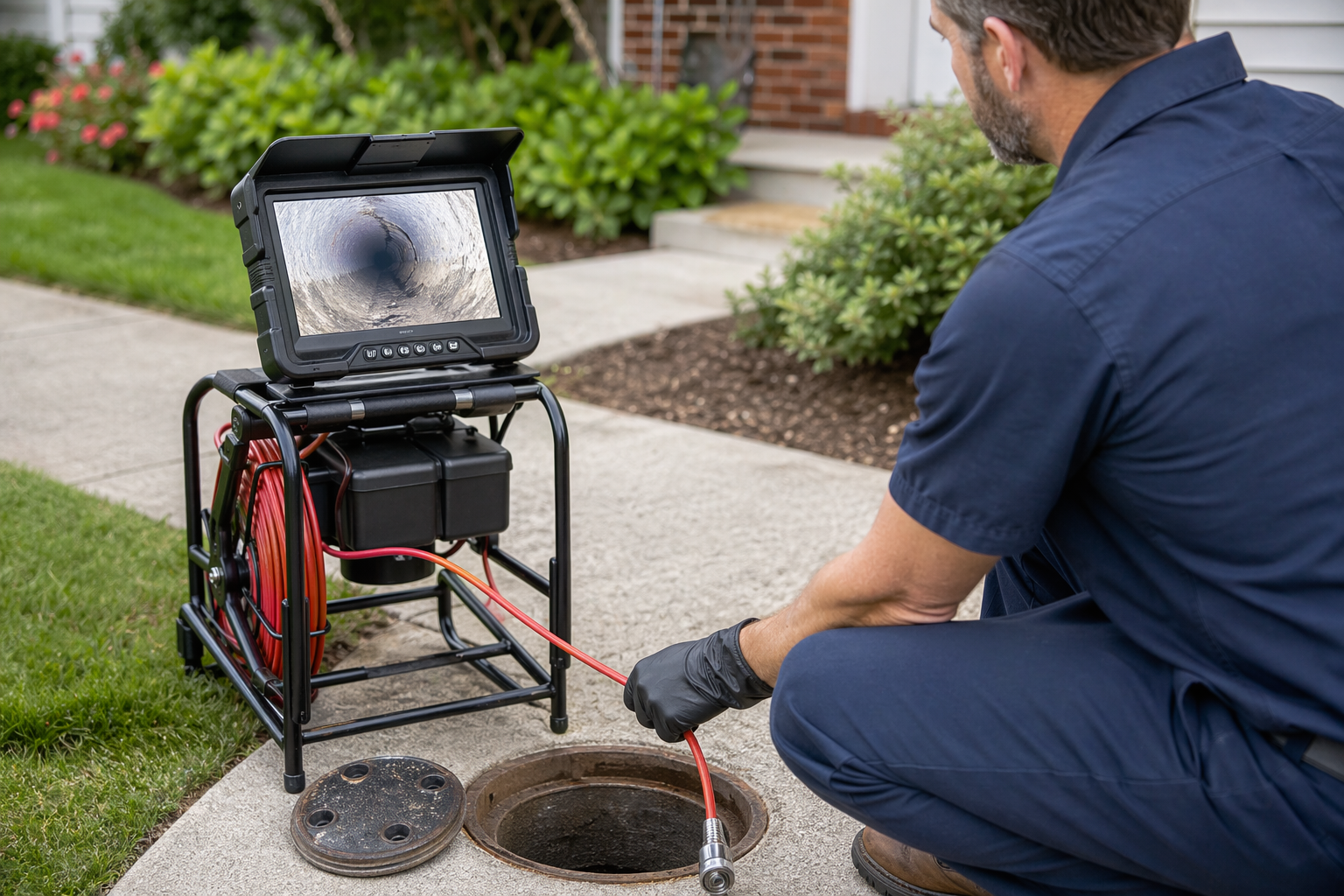 Next Service RouteSewer Camera InspectionSewer camera inspection for mainline diagnostics, defect confirmation, and locating when the dig path needs to be verified before breaking ground.
Scope and timing
Cost
Support
Learn More
These following pages are job specific for deeper understanding rather than the broad sewer excavation overview. You can compare the exact line, method, access path, or failure pattern that fits your situation more closely.
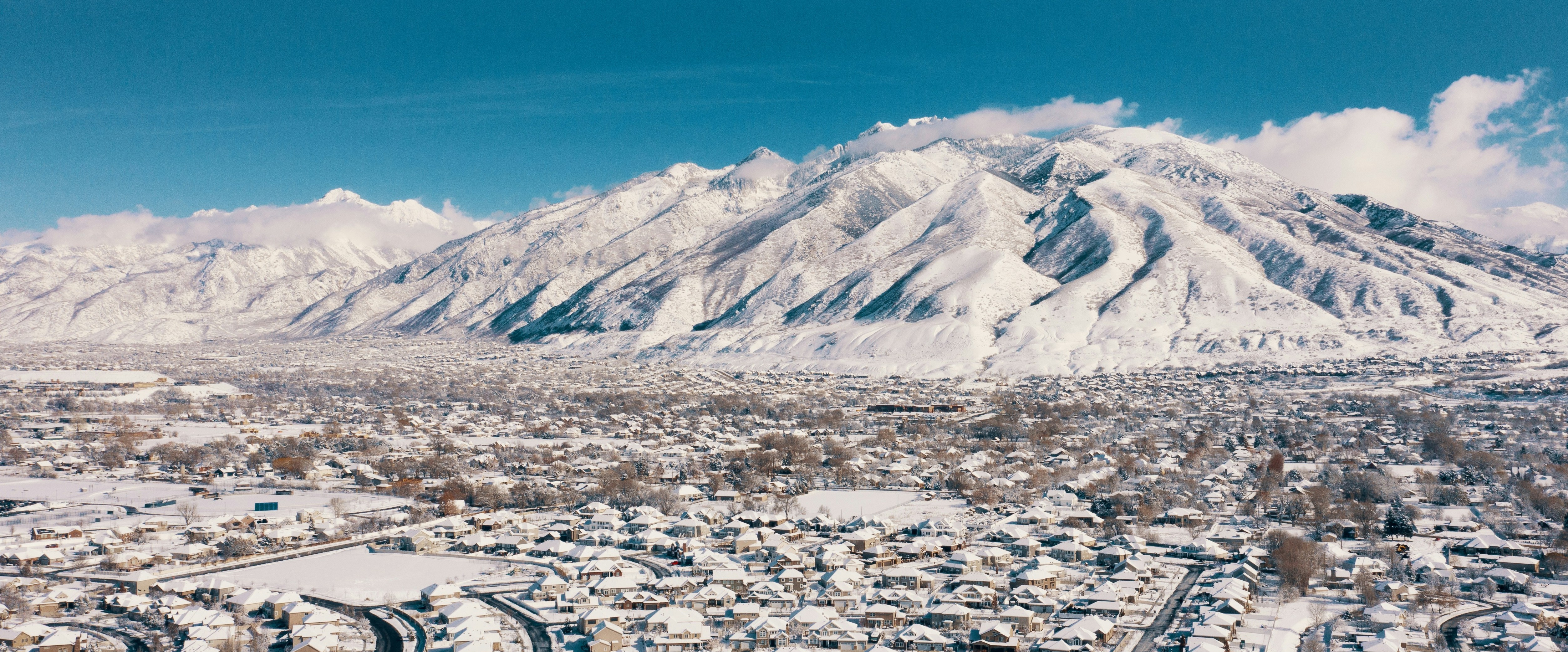
Emergency sewer excavation for urgent failures where the line must be exposed quickly because other methods cannot stabilize the problem.
These are the quick answers most people want before they call, book, or decide on the next step.
Sewer excavation solves the access problem when a damaged sewer line cannot be reached, repaired, or replaced from the surface. It provides controlled trench access to the pipe so repair or replacement work can happen directly on the failed section, and includes site restoration after the work is complete.
Property owners with camera-confirmed sewer damage in a location that trenchless methods cannot reach get the most value. Properties where the line runs under a driveway, slab, or deep yard section, and situations where the defect requires full pipe exposure for repair or replacement, are the most common fits.
The defect location is confirmed through camera inspection and radio transmitter locating. The dig path, surface impact, and utility coordination are defined before breaking ground. The trench is opened, the sewer repair or replacement is completed, and the site is restored afterward.
Know where the line is believed to sit, what surface may need to be opened, and whether you have camera footage or a prior defect location report. If utilities, landscaping, or access constraints are a factor, mention those upfront - they shape the dig scope and the quote.
Related Reading
These follow-up reads stay close to this service and answer the pricing, warning-sign, process, and comparison questions that usually come next.
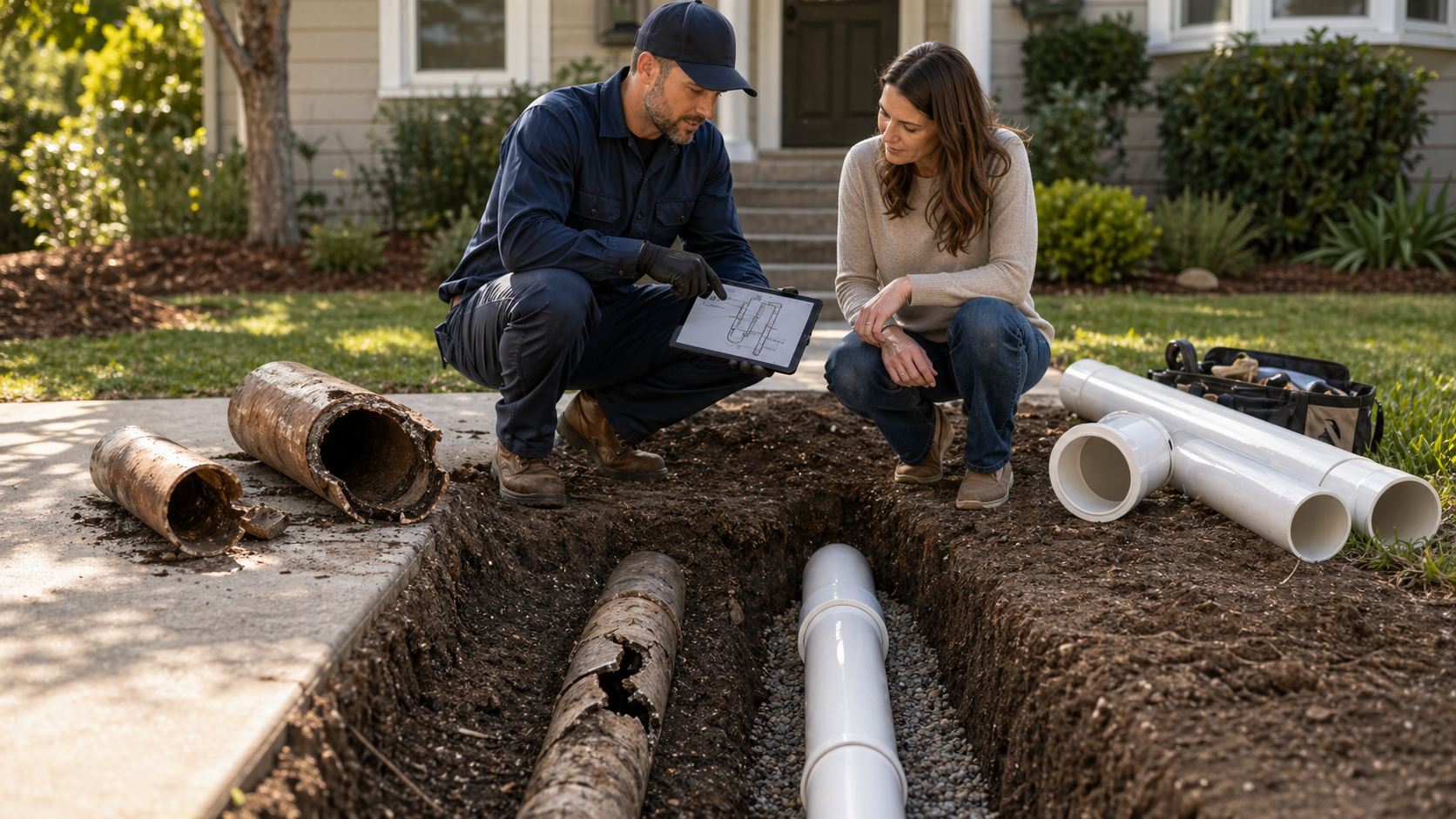
Compare Options
Breaks down the tradeoffs, what usually changes the decision, and which method tends to fit the situation better.
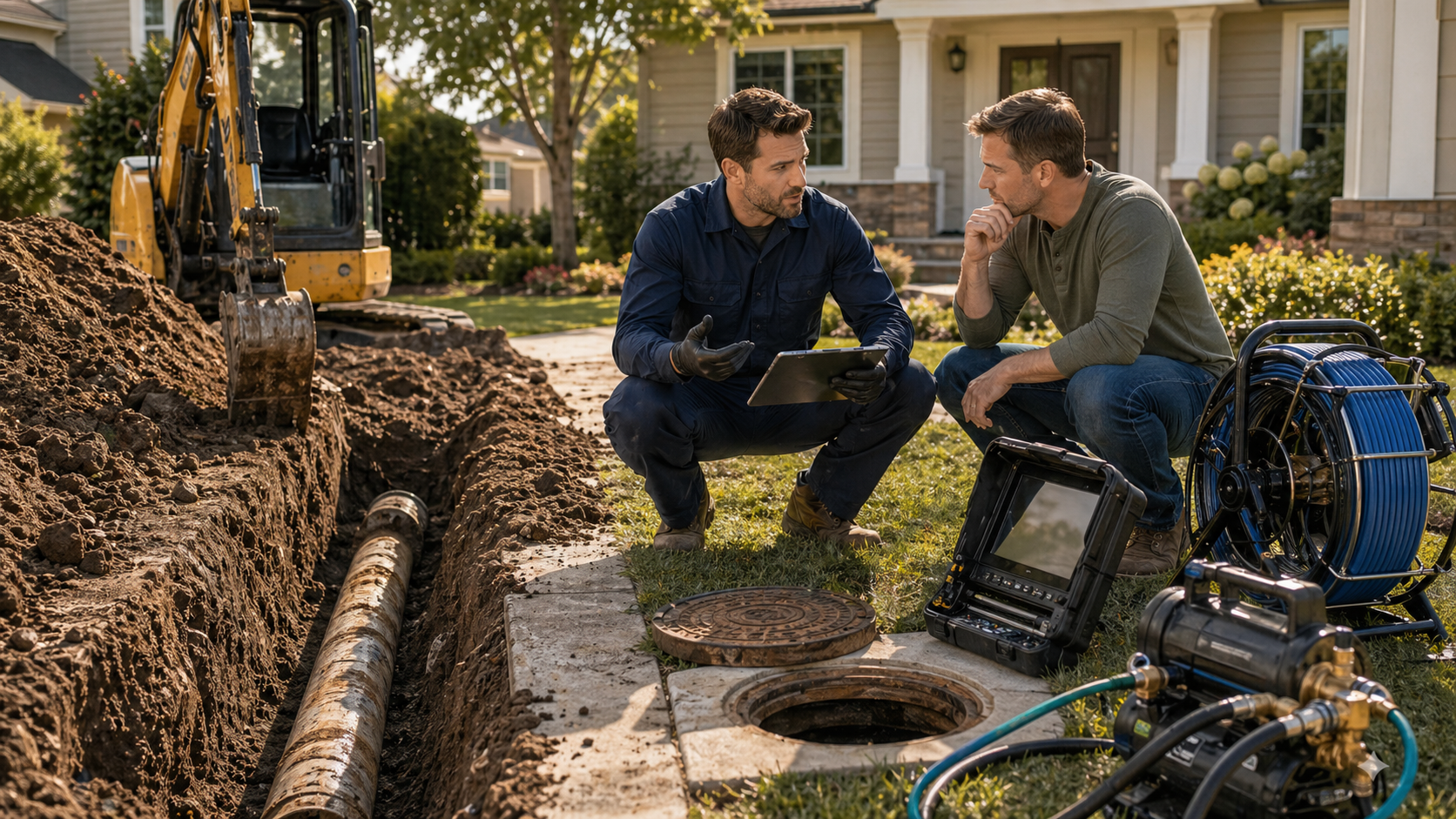
Service Explainer
Covers when the problem requires digging, when it can wait, and what usually changes the right next step.
Service Explainer
Explains when direct access outperforms no-dig methods and how to tell the difference before committing to a scope.