Negs
Very professional and arrived fast. Would recommend to everyone. If I could give them 10 stars I would!
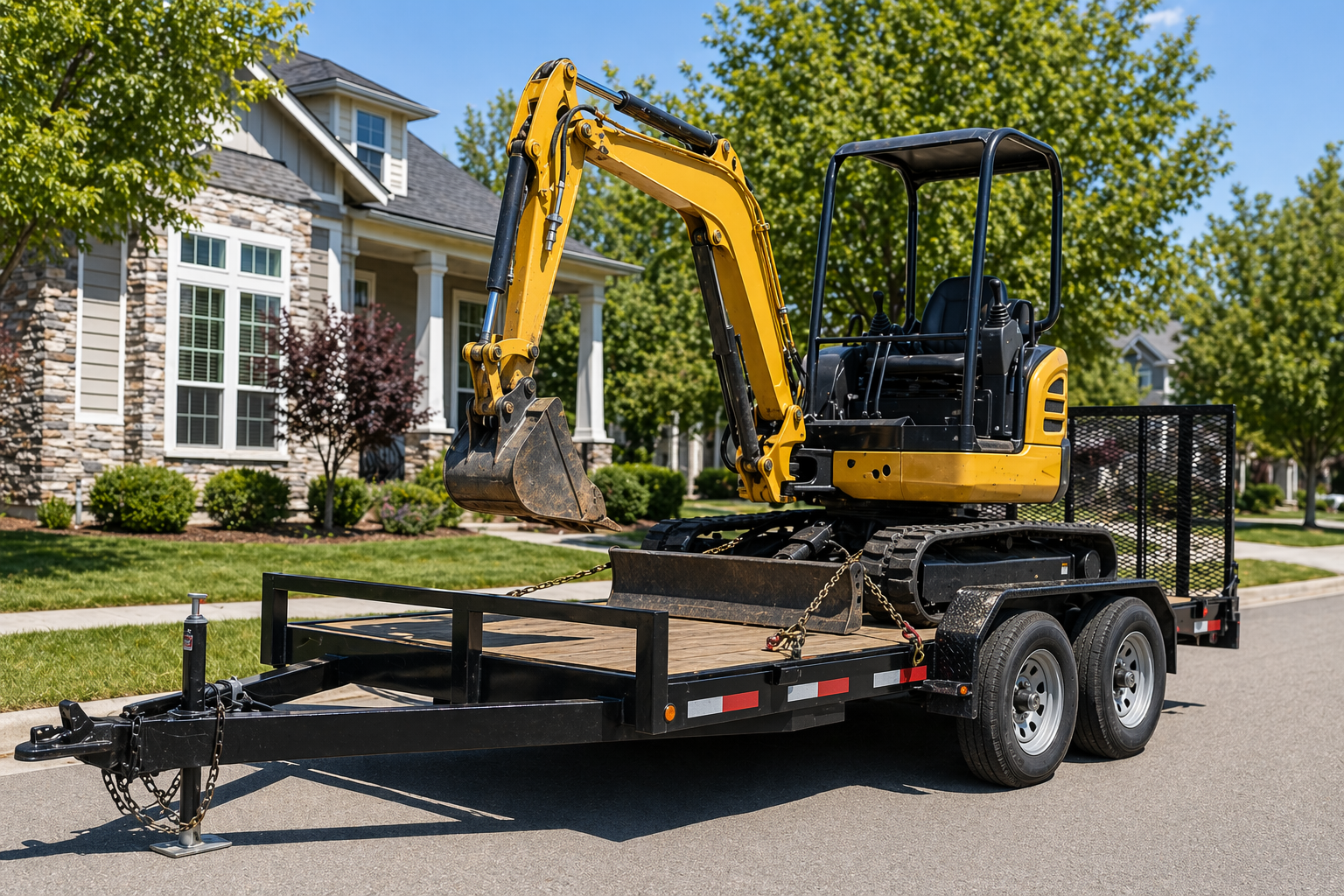
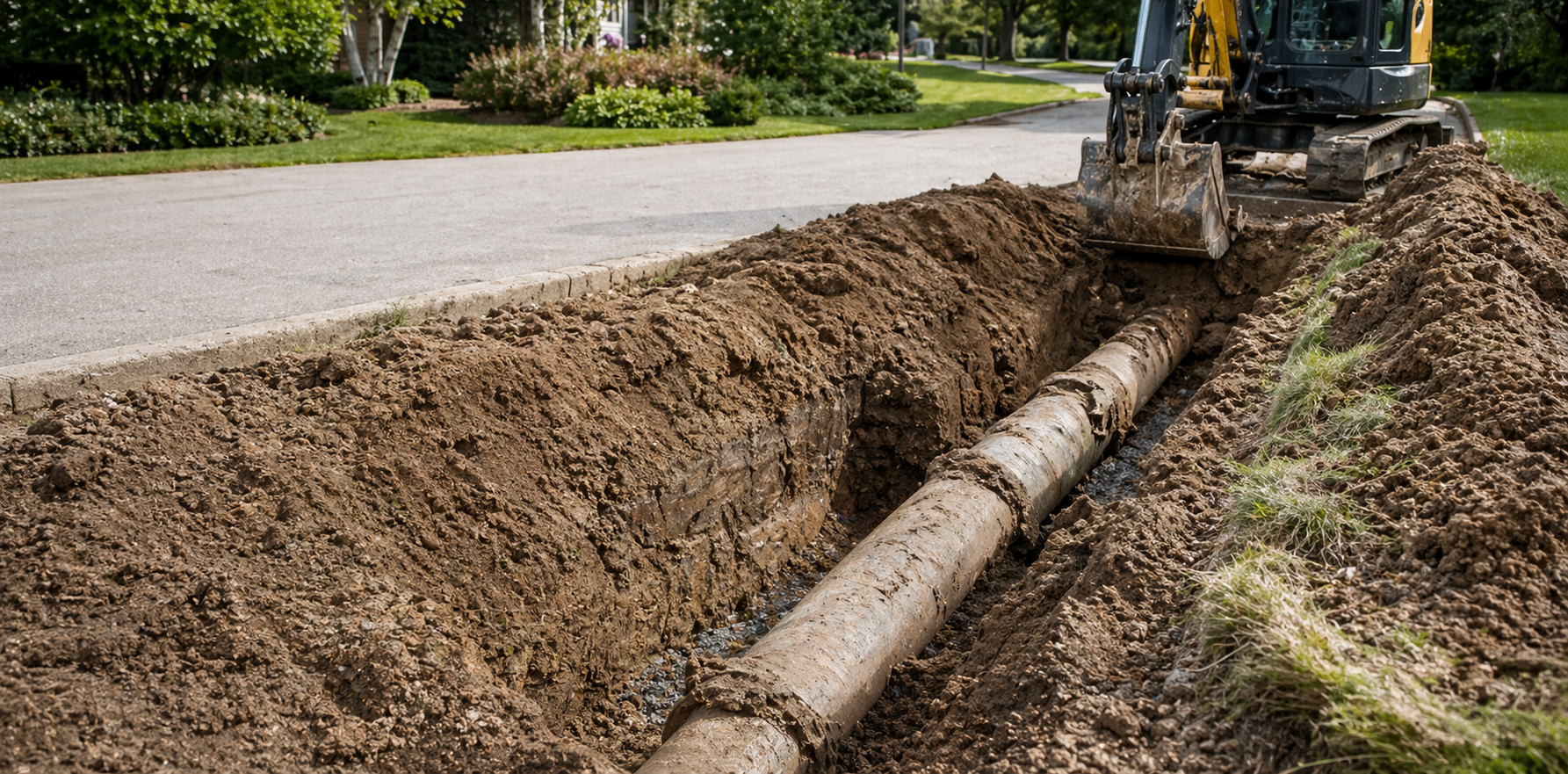
Sewer access excavation for projects where the main purpose of digging is reaching the line safely and efficiently before the rest of the sewer work can happen.
What you are seeing
The sewer line needs work, but the pipe cannot be reached through normal means. The cleanout is buried or missing. The line sits deeper than surface tools can reach. The path to the pipe runs under landscaping, fencing, a retaining wall, or a structure that has to be worked around. Before anyone can repair, replace, or inspect the pipe, someone has to dig down to it - safely, without hitting other utilities, and with a plan for putting the site back together afterward.
That is what sewer access excavation is. It is not the sewer repair itself - it is the controlled dig that gets the crew to the pipe so the repair can happen.
When this service fits
Sewer access excavation fits when the sewer work has already been identified - the camera confirmed the damage, the repair has been recommended - but the pipe cannot be reached through a cleanout, a surface opening, or any non-excavation method. The ground has to be opened to create a working space before the sewer repair, replacement, or inspection can proceed.
This service covers everything between "the pipe needs work" and "the crew can reach the pipe" - utility locating, site preparation, surface removal, controlled digging to the pipe depth, and creating a safe working area at the bottom of the excavation.
What you walk away with
After the access excavation, the sewer line is exposed and the working space is ready for the repair crew. Once the sewer work is complete, the excavation is backfilled in compacted layers and the surface is restored - soil regraded, landscaping replaced, hardscape patched, or sod laid depending on what was removed to reach the pipe.
The access dig and the sewer repair are scoped together as one project. You are not coordinating two separate contractors or two separate timelines - the excavation creates the access, the sewer work is performed, and the site is put back together in one sequence.
Problem
A sewer repair can only happen if the crew can reach the pipe. On many properties, that is straightforward - the cleanout provides access, the line is shallow enough for surface equipment, and the path to the pipe is clear. But on other properties, the access itself is the obstacle. The cleanout is buried under years of landscaping and soil. The pipe sits 6 or 8 feet deep where no surface tool can reach the damage. The lateral runs under a deck, a retaining wall, or a concrete pad that has to be cut or removed. Other utilities - gas, water, electrical, irrigation - cross the dig path and have to be located and protected before any digging begins.
In those situations, the access excavation is a distinct scope of work that has to be planned and executed before the sewer repair can start. It involves confirming the dig location from camera footage, calling 811 or Blue Stakes to locate public utilities in the dig zone, identifying any private improvements - irrigation lines, landscape lighting, sprinkler systems - that are not covered by public utility locating, preparing the surface by removing landscaping, fencing, hardscape, or soil as needed, and excavating to the pipe depth in a controlled, safe manner that protects adjacent utilities and creates enough working space for the repair crew to access the damaged section. The access excavation is the foundation that the rest of the sewer project builds on - if the access is poorly planned, the repair is compromised. If the access is done right, the repair proceeds efficiently and the restoration is clean.
The access excavation is the part of the project the homeowner worries about most - the hole in the yard, the disruption to the property, the risk of hitting another utility. Planning it correctly is how the dig stays controlled, the damage stays minimal, and the property comes back together when the sewer work is done.
Solution
The access excavation starts with knowing exactly where to dig. Camera footage from the sewer inspection identifies the location and depth of the damage inside the pipe. That footage - combined with the known lateral route and the distance measurement from the camera - determines where on the property surface the dig needs to happen. Digging in the wrong spot means more disruption, more cost, and potentially exposing the wrong section of pipe. Camera-confirmed targeting keeps the excavation as small and precise as the access requirement allows.
Before the dig begins, utilities are located. Public utilities - gas, water, electrical, telecom - are marked through 811/Blue Stakes, which identifies public infrastructure in the dig zone. Private improvements - irrigation lines, landscape lighting, sprinkler systems, invisible fencing, anything the property owner installed that is not in the public utility database - are the property owner's responsibility to identify. Mountain West asks about private improvements before every excavation because 811 does not cover them, and hitting an irrigation line or buried landscape wire during the dig creates a problem that did not need to happen.
The excavation itself is a controlled dig to the pipe depth. The surface is opened - sod removed, landscaping pulled back, hardscape cut if needed - and the soil is excavated in layers until the pipe is exposed. The working space at the bottom of the dig is sized to allow the repair crew safe access to the damaged section - enough room to cut, replace, and connect new pipe without working in a space too tight to do the job correctly. Once the sewer work is complete and the camera has verified the repair, the excavation is backfilled in compacted layers to prevent settling, and the surface is restored to match what was there before the dig.
Fit and situation bullets
Problem bullets
Customer Feedback
See what customers say after a sewer access excavation — from the dig planning and site management to the crew's care with the property and clear explanation of what was exposed and what comes next.
Leave a Review!These guys are great! I run a plumbing company but don’t do drains. I often sub contract them to service my customers sewer lines. They don’t only make me happy, but they keep my customers happy and that’s what matters to me most. Thanks guys!
Amazing experience! They are knowledgeable, kind, courteous and very thorough. Our clogged kitchen pipe was a bit of a challenge but they kept going and did everything they could to get it unclogged and they did it! They were very upfront with what caused the clog, gave us video recording of our pipes so we can see exactly what was done, double checked to make sure the pipes were clean and free of clogs and gave us steps on how to maintain the pipes moving forward. Highly recommend!!
This company is Awesome!!! Highly recommend that you call them for your drain cleaning and power washing needs! A++ in service, cost, and quality of work. Alex and Jacob completed drain work, patio cleaning, and filled in cracks in cement. The patio looks brand new! Thank you Alex and Jacob!!!
Alex was very good to work with. They were professional and punctual, working around my schedule. They were able to show me exactly before and after, even showing footage inside my pipes, which I have never seen before. I would recommend them.
Awesome experience! AJ was super professional and got us back in service. They offered us a few solutions and cleared our clogged sewer line for an excellent price
Very professional and arrived fast. Would recommend to everyone. If I could give them 10 stars I would!
Very pleased by my wonderful experience with this company and their service. They were very efficient and fast with their time. I appreciate their professionalism and commitment to the work they did for me!
Why Mountain West
Camera rated to 200 feet
Confirms the exact damage location and depth before the dig begins - up to 200 feet of pipe with live footage review - so the excavation is targeted to the precise section of pipe that needs access, not estimated from the surface.
Jetting and camera on every call
If the line needs clearing before the camera can reach the damage to confirm the dig location, jetting equipment is on the truck. The line is opened and the camera pinpoints the target in the same visit - no separate trip to set up the excavation plan.
3,850 PSI jetting capability
Pre-excavation clearing at 3,850 PSI and 8 GPM ensures the camera reaches the damage site so the access excavation is targeted precisely - keeping the dig as small as possible by confirming exactly where the pipe needs to be exposed.
20+ years combined field experience
Two decades of planning and executing access excavations in Northern Utah - reading camera footage to set the dig target, coordinating with 811/Blue Stakes, navigating private improvements, and managing the excavation to protect adjacent utilities and minimize property disruption.
Licensed and insured
Licensed for sewer, drain, and drainage system work - including the excavation, pipe access, repair, backfill, and site restoration that make up the full access-to-completion scope.
The access excavation follows a planned sequence: confirm the dig target from camera footage, locate utilities, prepare the surface, excavate to the pipe, perform the sewer work, verify on camera, backfill, and restore the site.
You finish the project with the sewer repaired at depth, the camera verifying the completed work, the excavation backfilled and compacted, and the property surface restored - all planned and executed as one integrated scope from access through restoration.
If the sewer damage can be reached without excavation - through a trenchless method, through an existing cleanout, or through a less disruptive access path - or if the damage needs to be confirmed on camera before the access dig is planned, these services cover those alternatives.
Evidence
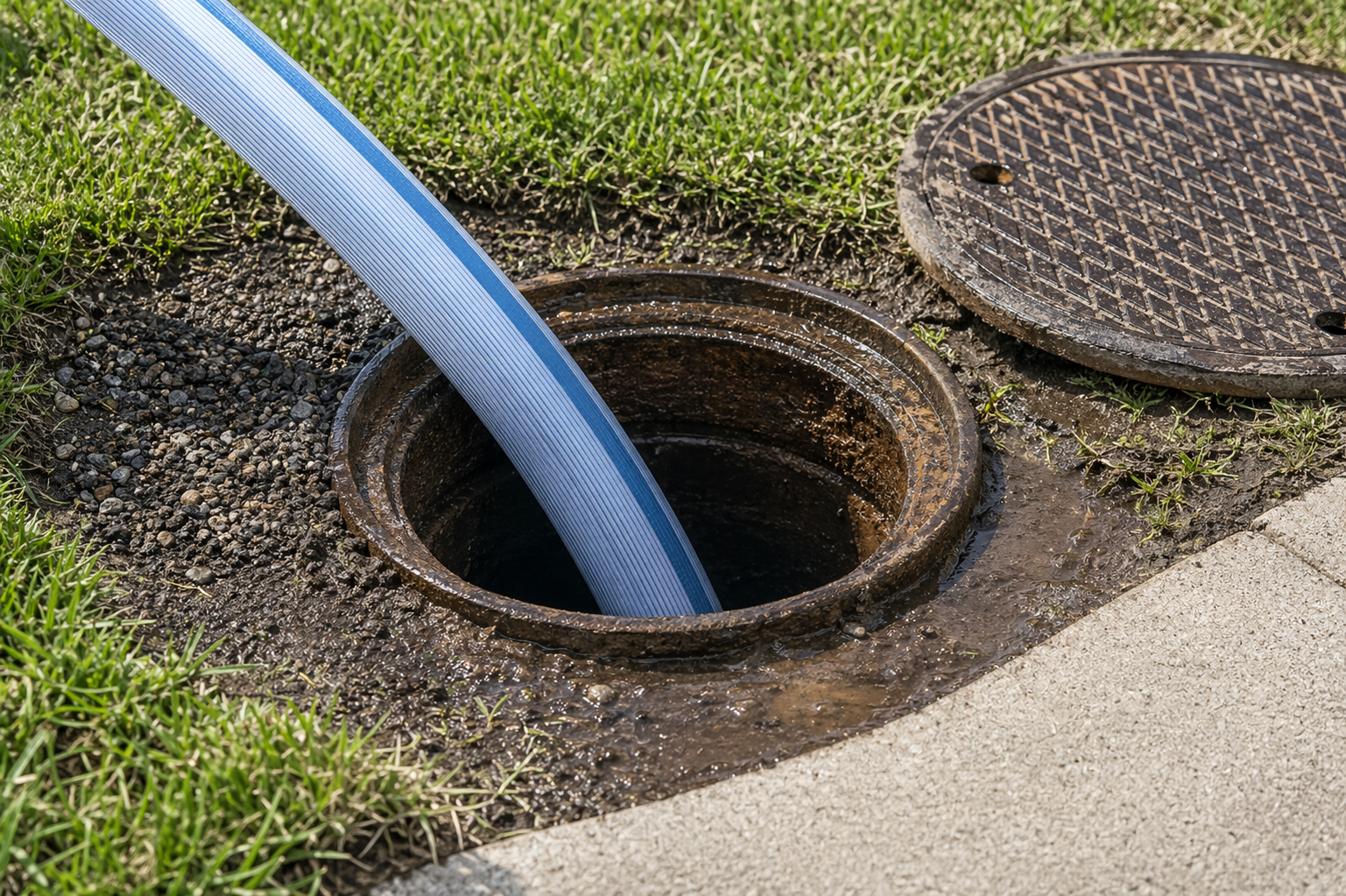 Next Service RouteTrenchless Sewer RepairWhen the pipe condition, material, and damage type support a trenchless method - pipe lining or pipe bursting - that repairs the sewer line without digging down to it, avoiding the access excavation entirely.
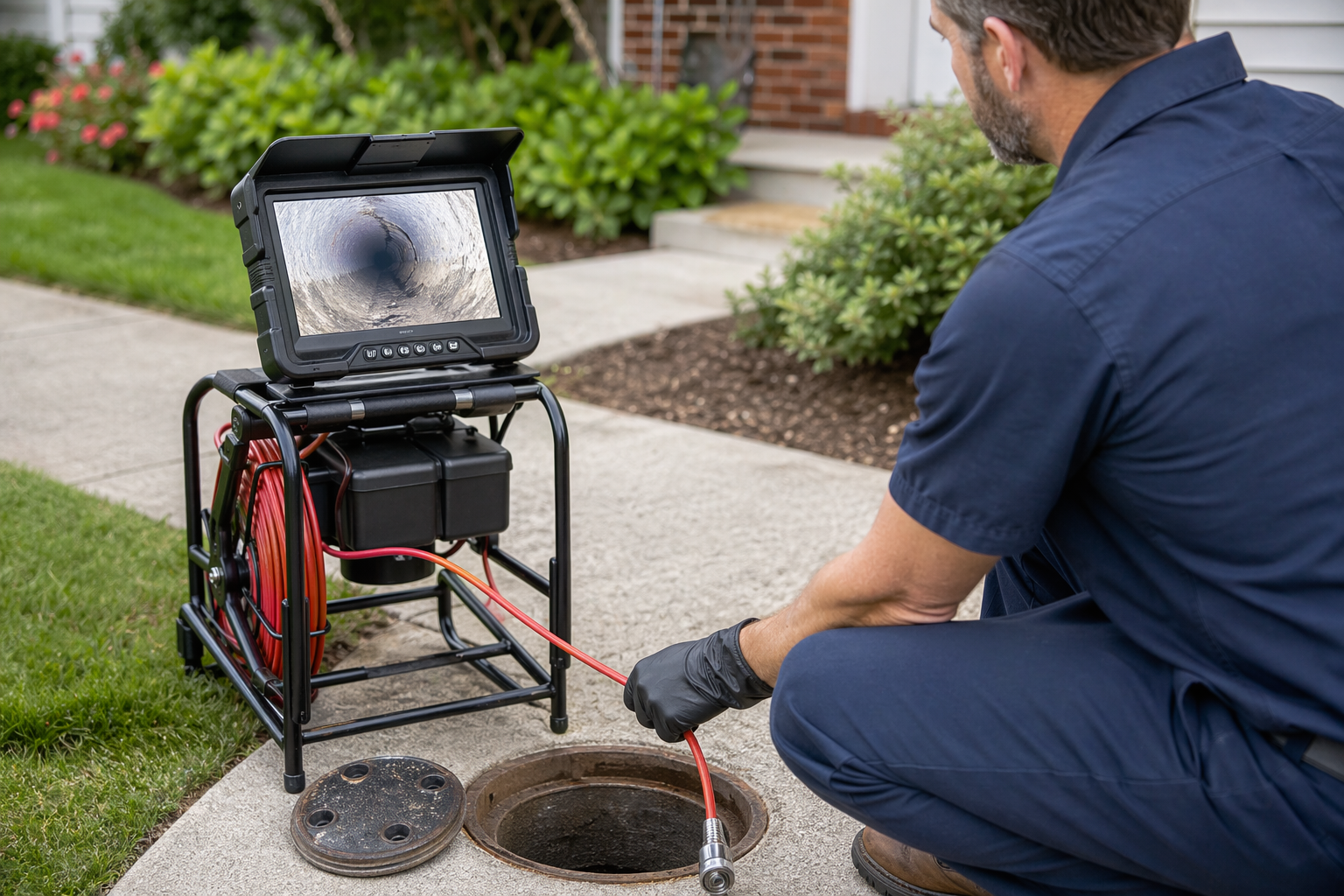 Next Service RouteSewer Camera InspectionWhen the first step is camera footage to confirm the damage location and depth before the access excavation is planned - the footage sets the dig target and determines whether excavation is necessary or whether an alternative access path exists.
 Next Service RouteSewer Line Repair And ReplacementWhen the access excavation is part of a larger repair or replacement scope - the dig creates the working space and the sewer work that follows may include section replacement, full lateral replacement, or connection work that extends beyond the initial access point.
Scope and timing
Cost
Support
These are the quick answers most people want before they call, book, or decide on the next step.
Sewer access excavation is the controlled dig that opens the ground above a sewer line so the repair crew can physically reach the damaged pipe. It includes utility locating through 811/Blue Stakes, surface preparation, excavation to the pipe depth, and creation of a safe working space - all planned from camera footage that confirms the exact dig target. After the sewer repair is complete, the excavation is backfilled, compacted, and the surface is restored.
Property owners whose sewer line has confirmed damage at a location that cannot be reached through a cleanout, surface tool, or trenchless method. Common access obstacles include buried or missing cleanouts, pipes deeper than 4 feet below grade, laterals running under hardscape or structures, and dig paths that cross other buried utilities requiring careful planning before the ground is opened.
Camera footage confirms the exact dig location. Public utilities are marked through 811/Blue Stakes and private improvements are identified. The surface is prepared - sod, landscaping, or hardscape removed. The ground is excavated in controlled layers to the pipe depth. The sewer repair is performed in the exposed working space. The camera verifies the completed repair. The trench is backfilled in compacted layers and the surface is restored.
Know whether camera footage already exists confirming the damage location and depth - that footage sets the dig target. Know what surface covers the pipe - yard, concrete, pavers, or landscaping. Identify any private buried improvements in the dig zone that 811 would not locate. If the access excavation was recommended by another company, ask whether they evaluated trenchless alternatives before defaulting to excavation.
Related Reading
These follow-up reads stay close to this service and answer the pricing, warning-sign, process, and comparison questions that usually come next.
Compare Options
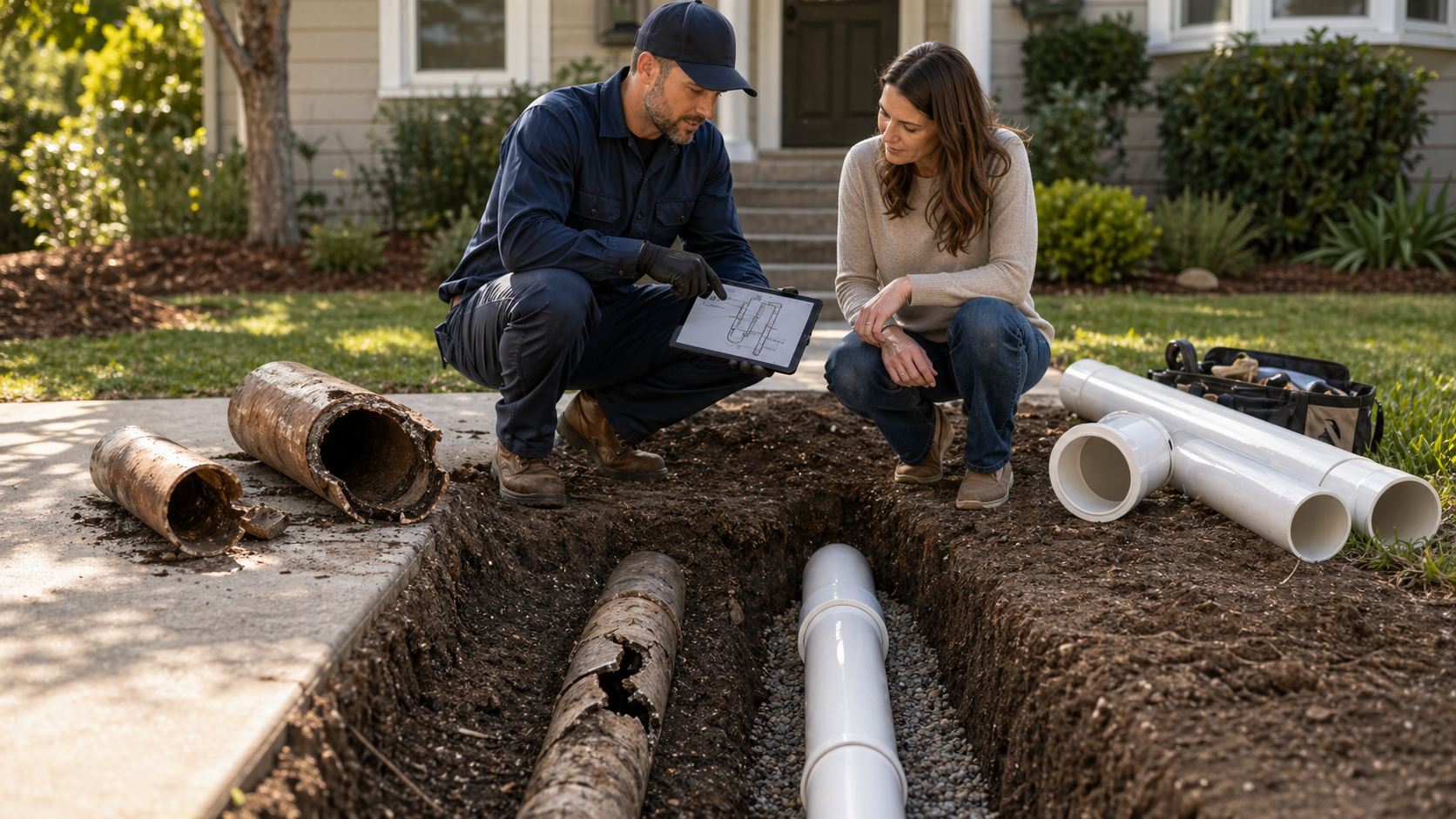
Explains when trenchless can avoid the dig and when excavation is the only viable path - useful for evaluating whether the access excavation you were quoted is necessary.
Service Explainer
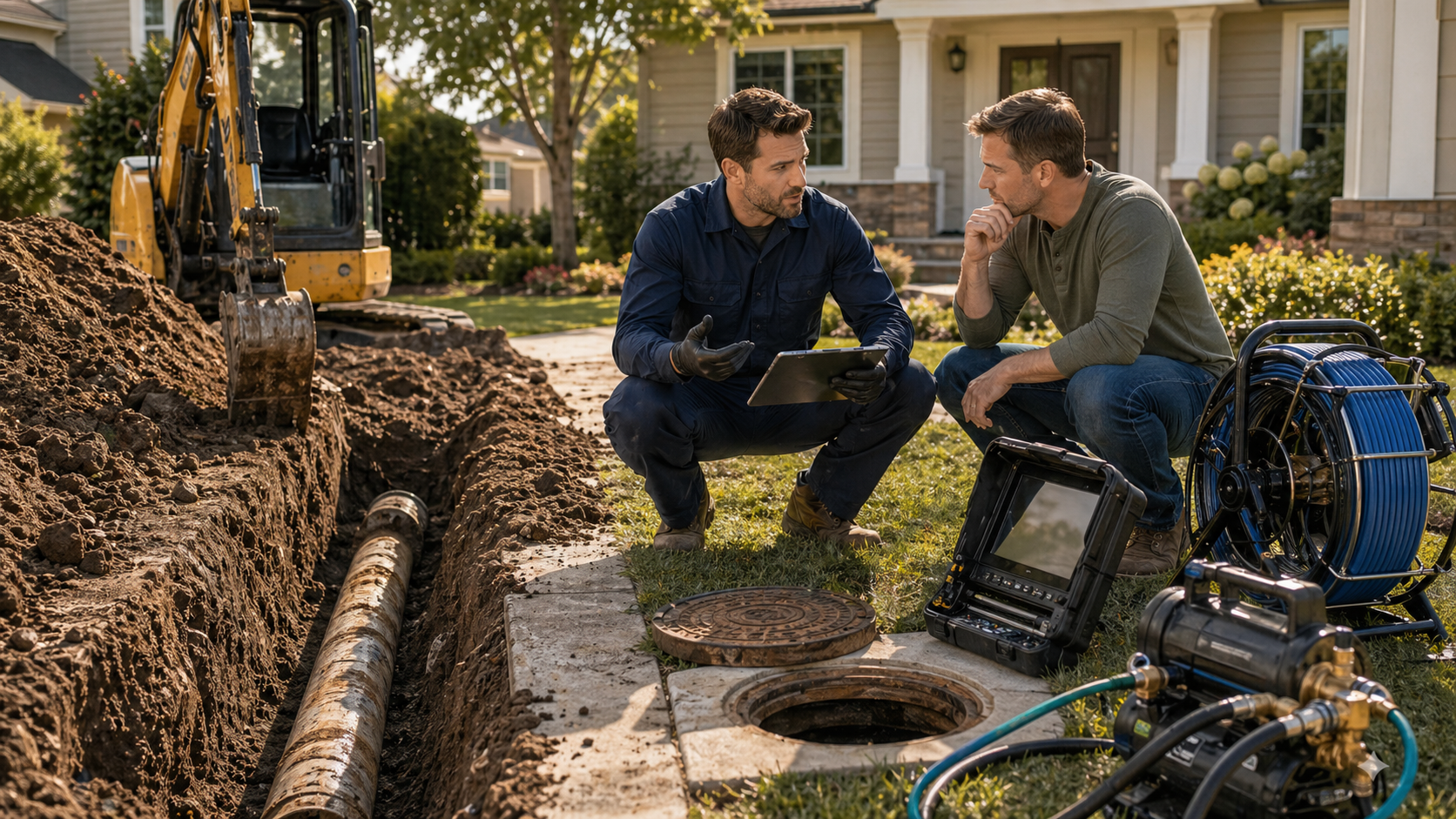
Covers the conditions that make excavation unavoidable and what factors determine the dig scope, depth, and site impact.
Service Explainer
Addresses when direct access and replacement produce a better long-term result than trenchless rehabilitation - relevant when the access dig is the recommended approach.