

Mountain West Jetting
Mountain West logoMountain West Hydro Jetting & Sewer Maintenance LLC

Blog Article

Story by Mountain West Hydro JettingPublished April 4, 2026Sewer CleaningServing Northern Utah and the Salt Lake corridor

Sewer Line Cleaning Service: When Should You Schedule It?

When sewer line cleaning makes sense as a routine or preventive step, and when waiting usually makes the job more urgent.
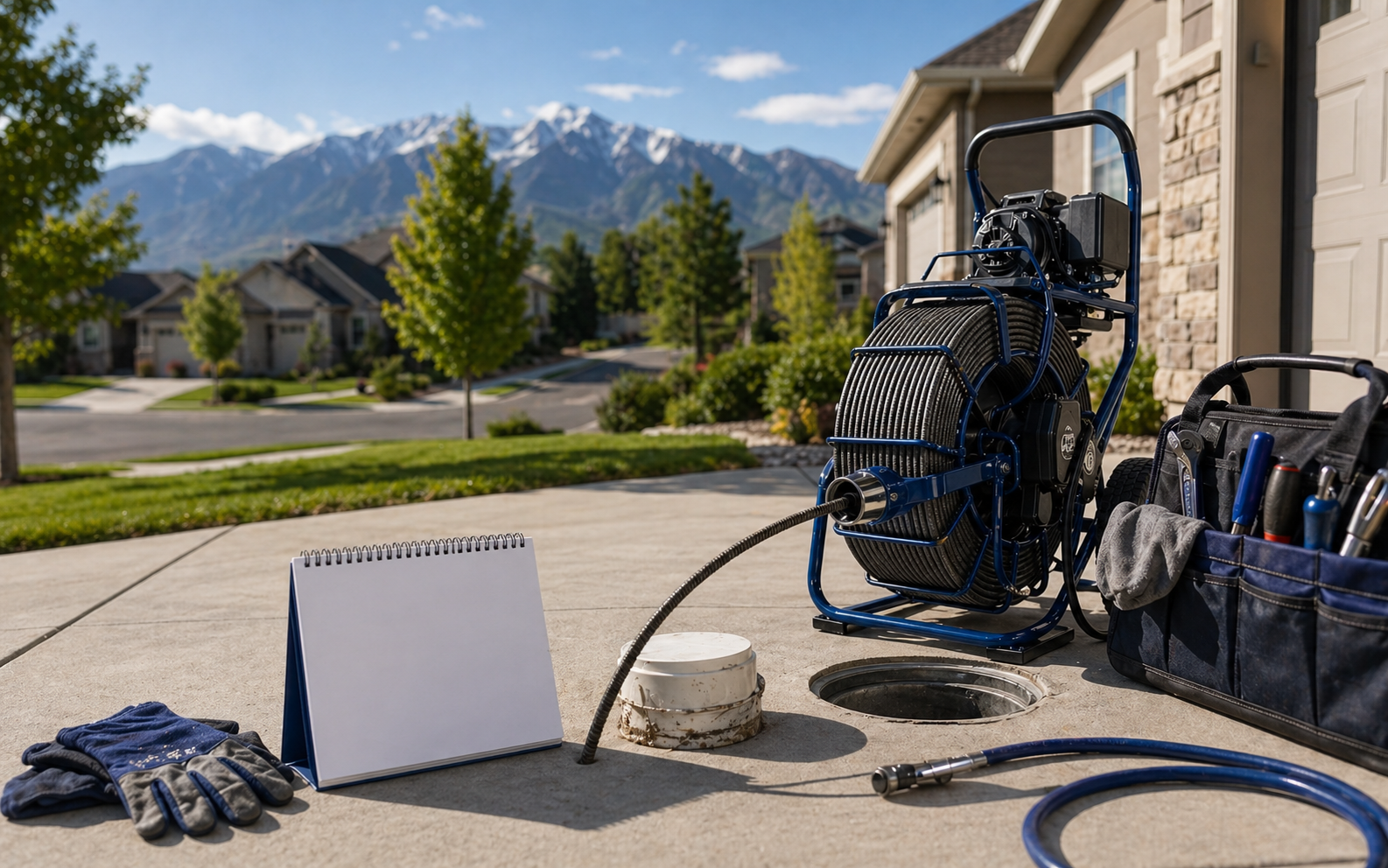
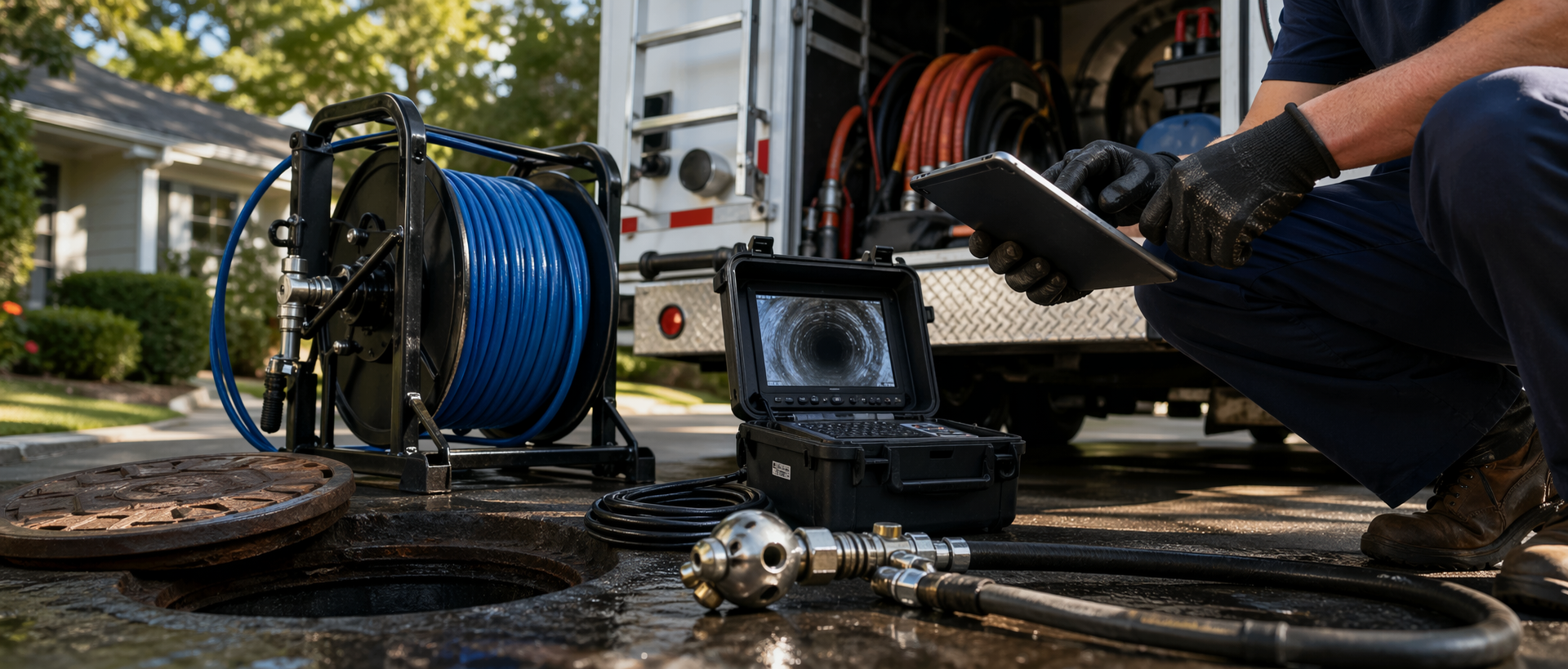
Sewer Line Cleaning Service: When Should You Schedule It? article image for Sewer Cleaning And Maintenance.

Sewer Cleaning

Sewer line cleaning is easiest to schedule when the problem is still manageable. Once the line is already backing up, the decision becomes urgent instead of preventive.

For many properties, especially older homes or repeat-problem lines, the smarter question is not whether sewer cleaning is necessary. It is when the line should be cleaned before a clog or backup forces the timing.

What It Means In Practice

These are the common signs that it is time to schedule sewer line cleaning sooner rather than later.

This part of the article is here to add context, not urgency. In most cases, the more clearly someone understands the pattern behind the question, the easier it is to interpret the rest of the information without overreacting to one symptom.

For sewer cleaning and maintenance questions especially, the biggest misunderstandings usually happen when one detail gets all the attention and the wider context gets missed. A fuller explanation makes the rest of the article easier to read and use.

  1. You have a history of repeat main line clogs or backups even if the system is not fully failing today.
  2. Lower drains, toilets, or tubs have started showing slower performance or intermittent warning signs.
  3. The property is older, root activity is common, or grease and heavy use keep narrowing the line.
  4. You want a maintenance window before holidays, tenant turnover, or heavy-use periods instead of waiting for an emergency.

How To Tell When It Fits

The right cleaning interval depends on risk, history, and how the line is used.

The point here is not to rush a decision. It is to make the question easier to think about in a calmer, more practical way so the customer can tell what matters, what may not matter, and what kind of explanation actually fits the situation.

This is also where a useful article earns trust, because it helps people sort out the issue for themselves before any service conversation happens. Clear context usually leads to better questions and less confusion.

  1. Look at how often the property has had backups, slow main line behavior, or emergency clearing in the past.
  2. If the line has repeated issues, stop treating every clog like a one-time event and move into a maintenance conversation.
  3. Use cleaning as a preventive step when the symptoms are early, rather than waiting until sewage is already pushing back into the home.
  4. If the line still misbehaves after cleaning, use that result to decide whether inspection or repair should be scheduled next.

What Makes It Easier To Use

A few planning habits can make sewer maintenance much more useful over time.

Small details often change how a situation should be interpreted. The more clearly someone can describe what they are seeing, the easier it is to make sense of the question and separate the useful details from the distracting ones.

These notes are here to make the topic easier to read, compare, and talk about. In many cases, a little more clarity early on prevents a lot of confusion later.

  1. Keep notes on when the line was last cleaned and what symptoms were present before the visit.
  2. If the property has an older sewer line, ask whether a preventive interval makes more sense than emergency-only service.
  3. Pay attention to seasonal or high-use periods that tend to trigger sewer problems.
  4. Do not ignore mild warning signs just because the line is still technically draining.

How We Apply It

We help match sewer cleaning timing to the actual history and risk level of the property.

By the time someone reaches this part of the article, they usually want to understand how the information above connects to the actual service work. The goal is to make that connection clear without turning the article into a sales script.

Tying the topic back to sewer cleaning and maintenance helps the article stay grounded in real service context. It shows how the explanation relates to the work itself, which makes the page feel more useful and more complete.

  1. We can recommend whether the line sounds like routine maintenance, a repeat main line cleaning need, or a problem that already needs deeper diagnosis.
  2. We provide sewer cleaning and maintenance support for homeowners who want a clearer preventive plan.
  3. We explain when the next step should stay on a cleaning path and when it should shift into camera inspection or repair.
  4. We can also help narrow the scope if the issue seems more specific to the lateral or another section of the line.

Common Questions

These are the follow-up questions people usually still have after the main explanation. They help turn the article into something more useful than a one-line definition.

For sewer cleaning and maintenance topics, the best next questions are usually the ones that connect the explanation back to real-world service decisions and the conditions that make the topic matter.

Should I wait until the line is fully backing up before scheduling sewer cleaning?

Usually no. Once the line is actively backing up, the visit becomes more urgent and disruptive than a preventive or early-intervention cleaning would have been.

How do I know if I need maintenance instead of one-time cleaning?

If the line has a repeat history, predictable warning signs, or conditions that keep causing buildup, a maintenance mindset is usually more useful than treating each visit as separate.

What if the symptoms return right after cleaning?

That often means the line needs inspection, hydro jetting, or repair guidance instead of another routine cleaning cycle.

Related Next Steps

Next StepSewer Cleaning And MaintenanceUse this page if the next step after sewer cleaning is sewer cleaning or maintenance planning.Next StepSewer Lateral CleaningUse this page if the next step after sewer cleaning is sewer cleaning or maintenance planning.Next StepBook A Free QuoteStart a free quote if you want service-fit or pricing guidance after this article.Next StepRelated Blog TopicsCompare adjacent articles around sewer cleaning before you choose the next path.

More for You

Follow-up blog articles chosen for this page so the next question stays close to the same decision path.

What Is Sewer Lateral Cleaning? article image for Sewer Lateral Cleaning.Blog ArticleWhat Is Sewer Lateral Cleaning?Open this if you want the sewer lateral cleaning side of the decision next.How Often Should a Sewer Line Be Cleaned? article image for Sewer Cleaning And Maintenance.Blog ArticleHow Often Should a Sewer Line Be Cleaned?Read this next for another sewer cleaning and maintenance angle that builds on this article.Sewer Backup Prevention: What Actually Helps? article image for Sewer Cleaning And Maintenance.Blog ArticleSewer Backup Prevention: What Actually Helps?Read this next for another sewer cleaning and maintenance angle that builds on this article.Sewer And Drain Cleaning Services Near Me: What’s Included? article image for Sewer Cleaning And Maintenance.Blog ArticleSewer And Drain Cleaning Services Near Me: What’s Included?Read this next for another sewer cleaning and maintenance angle that builds on this article.

Quick Answers About Sewer Line Cleaning Service: When Should You Schedule It?