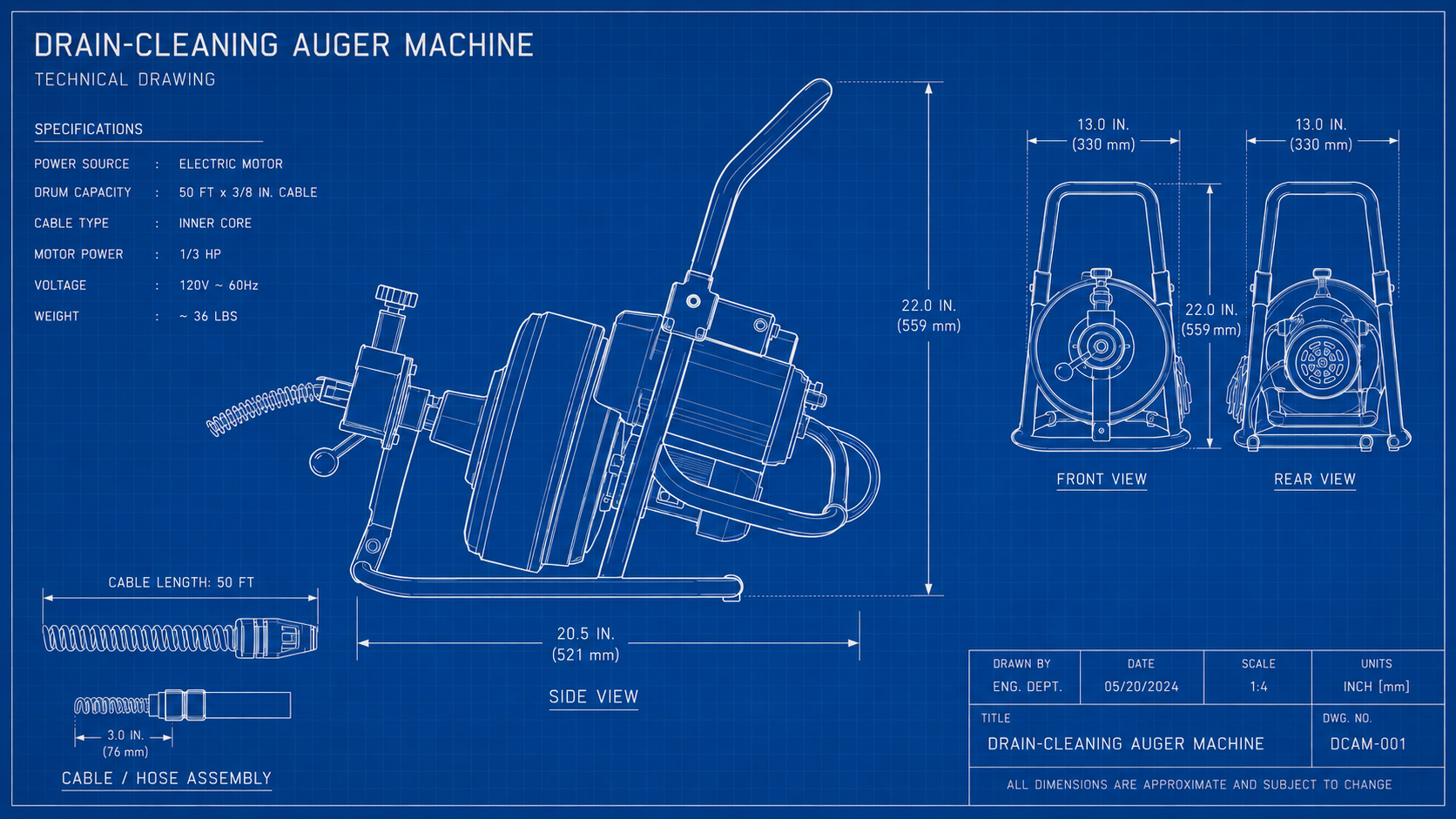
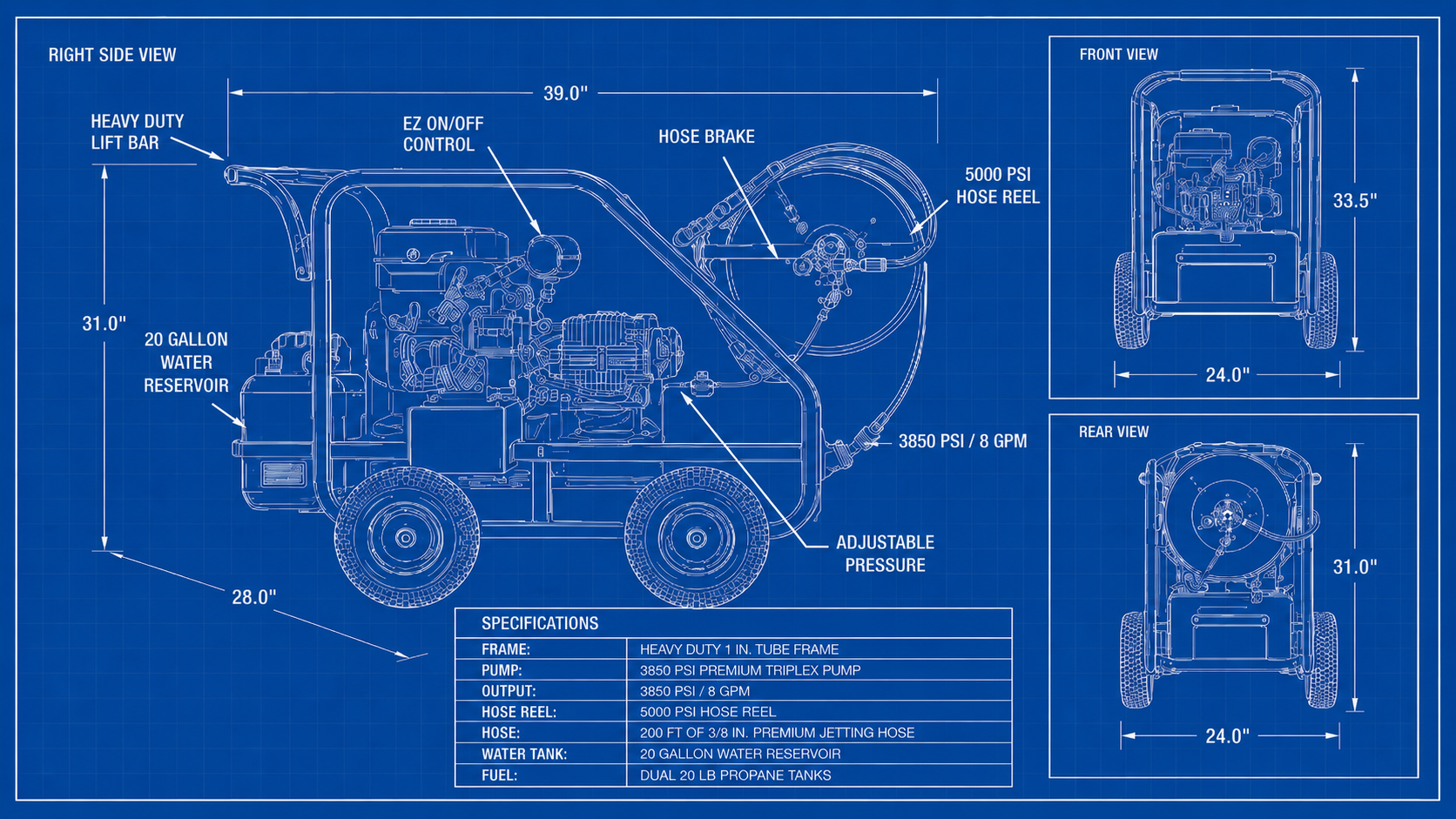
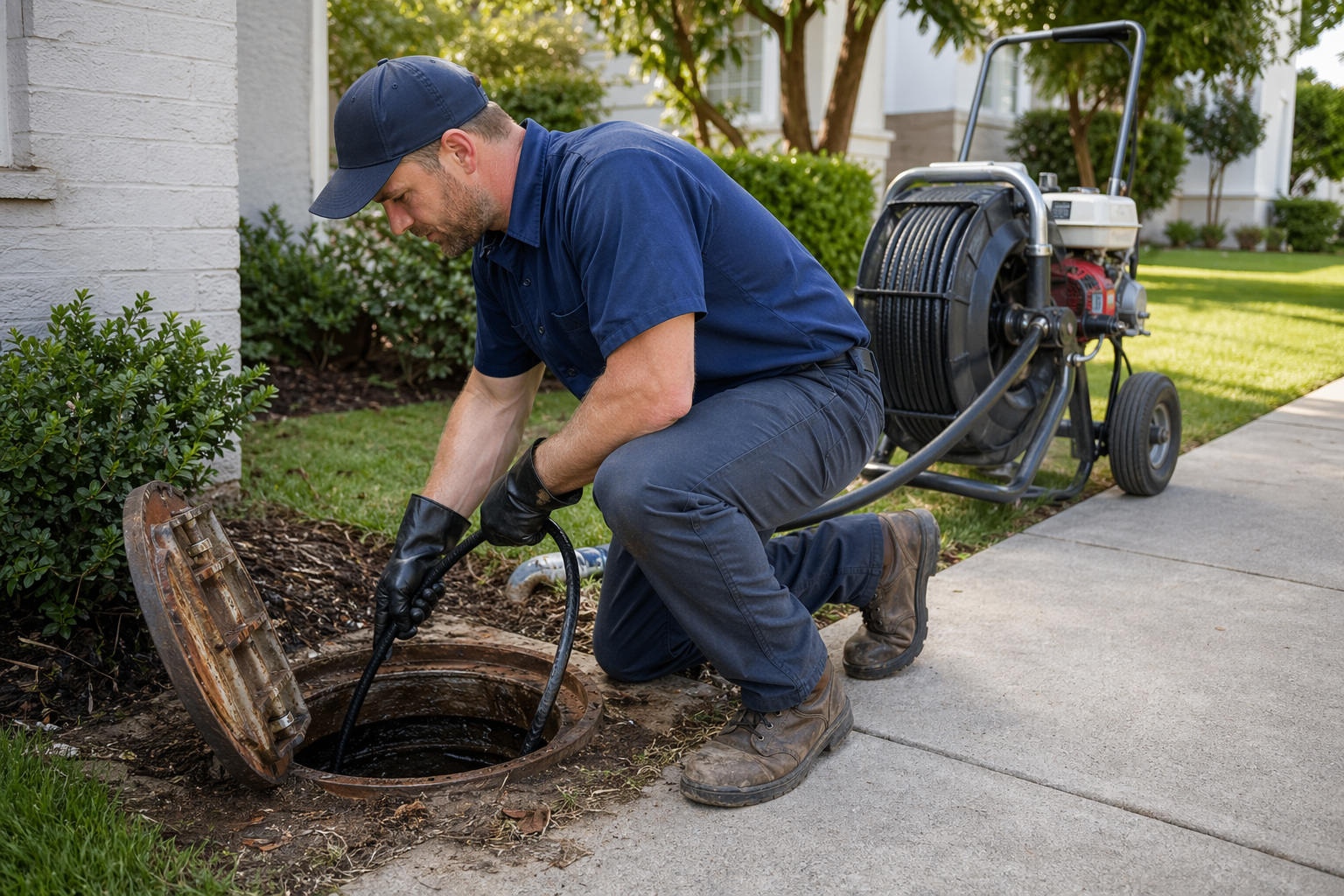
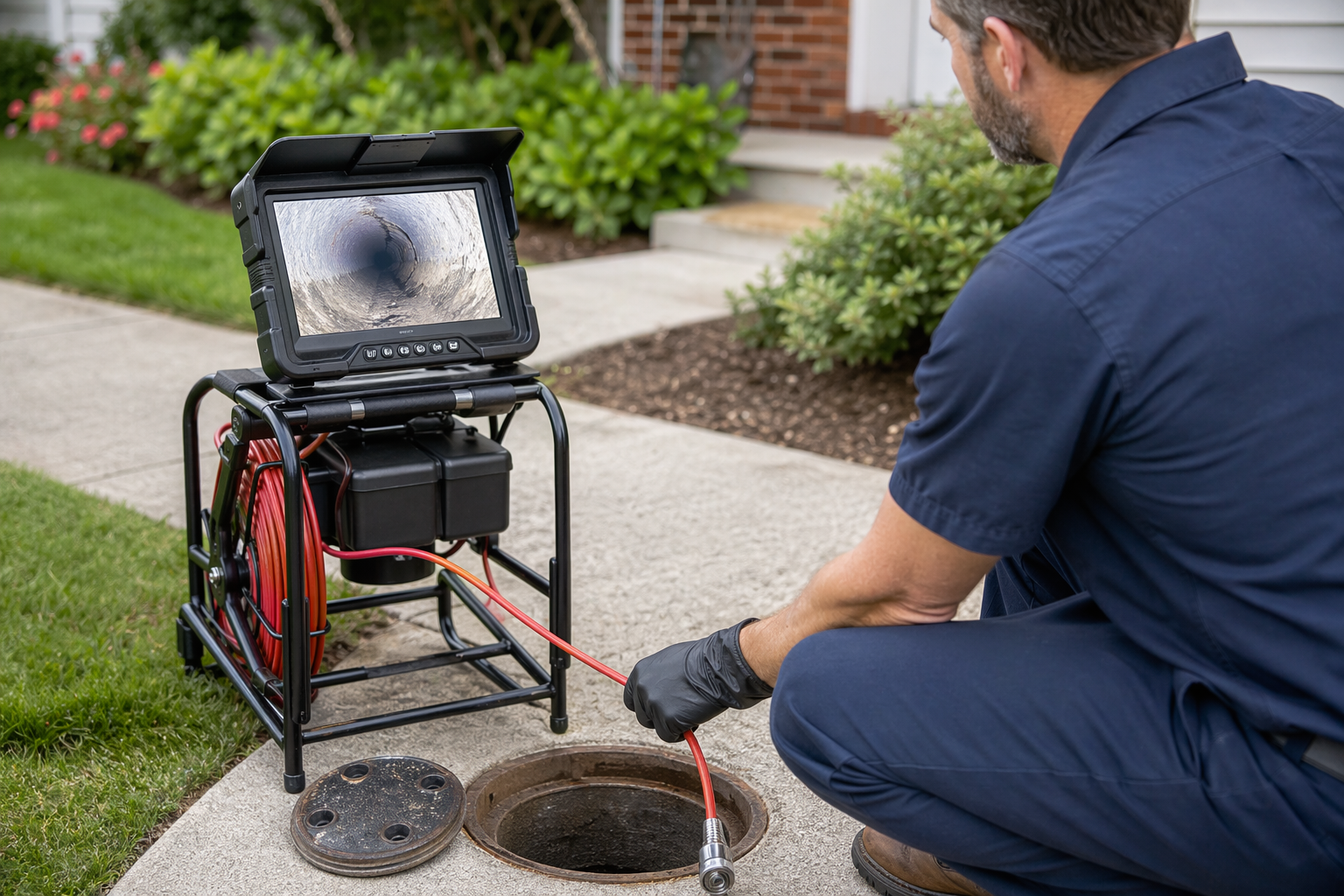
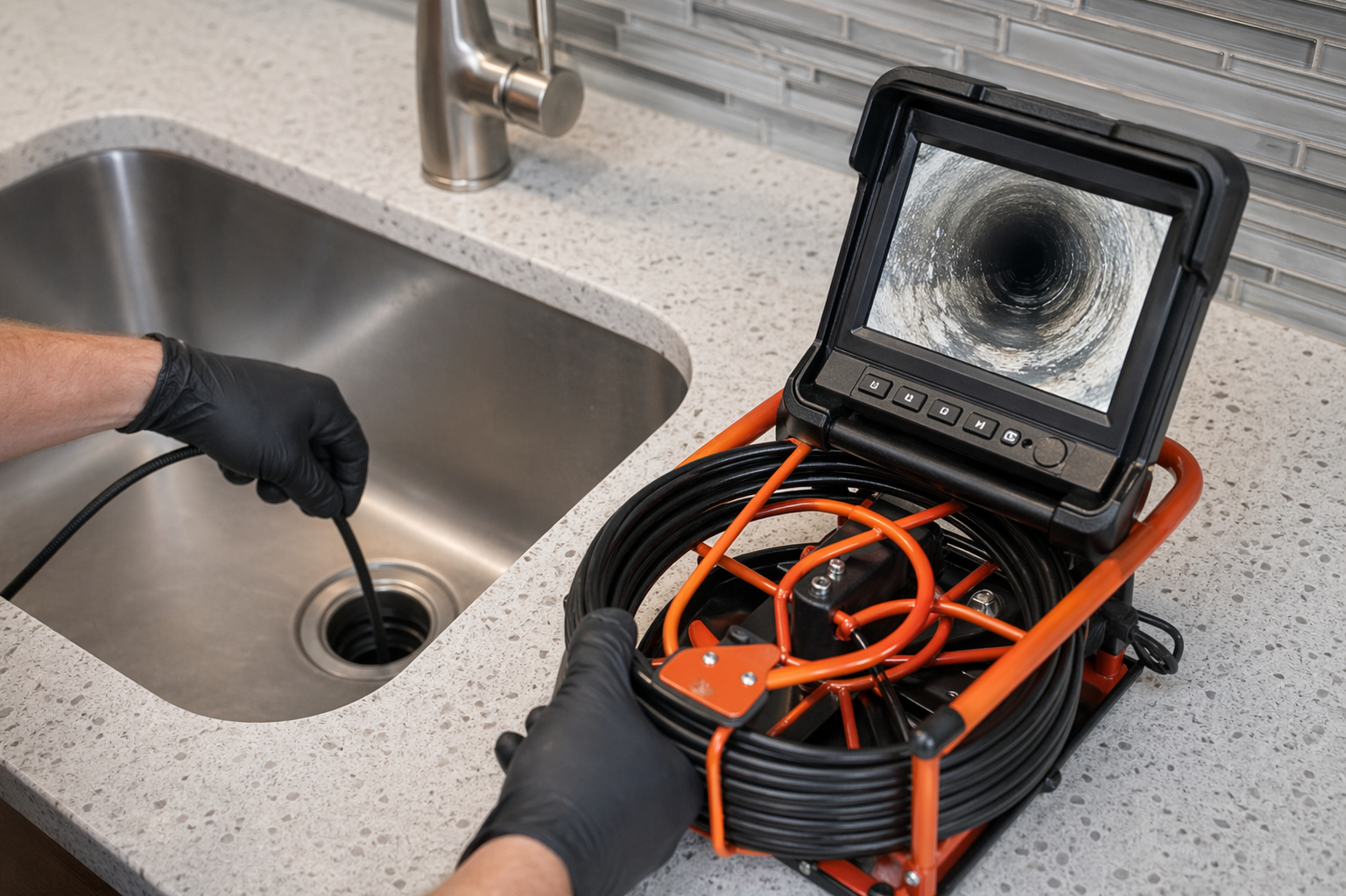
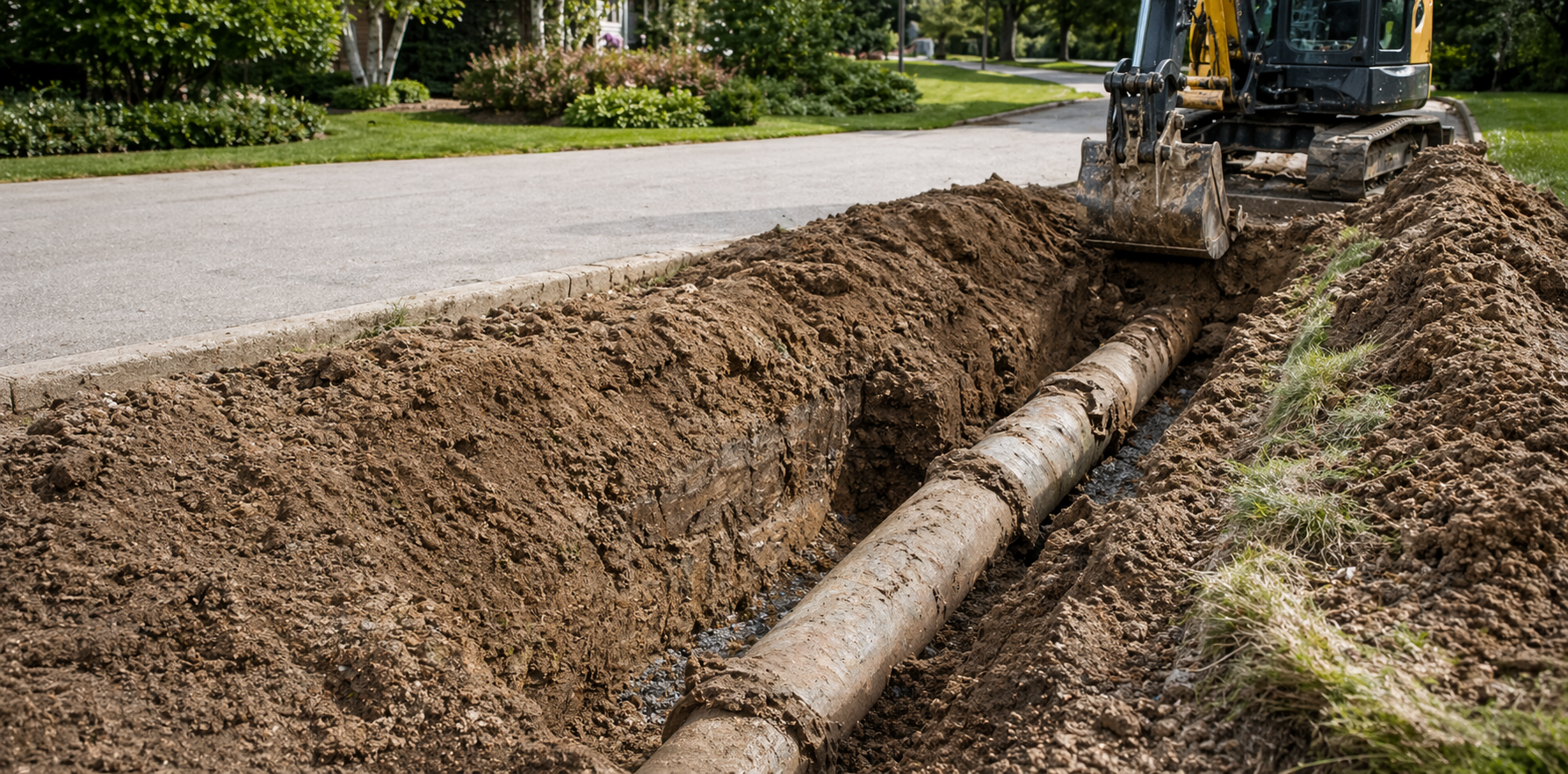
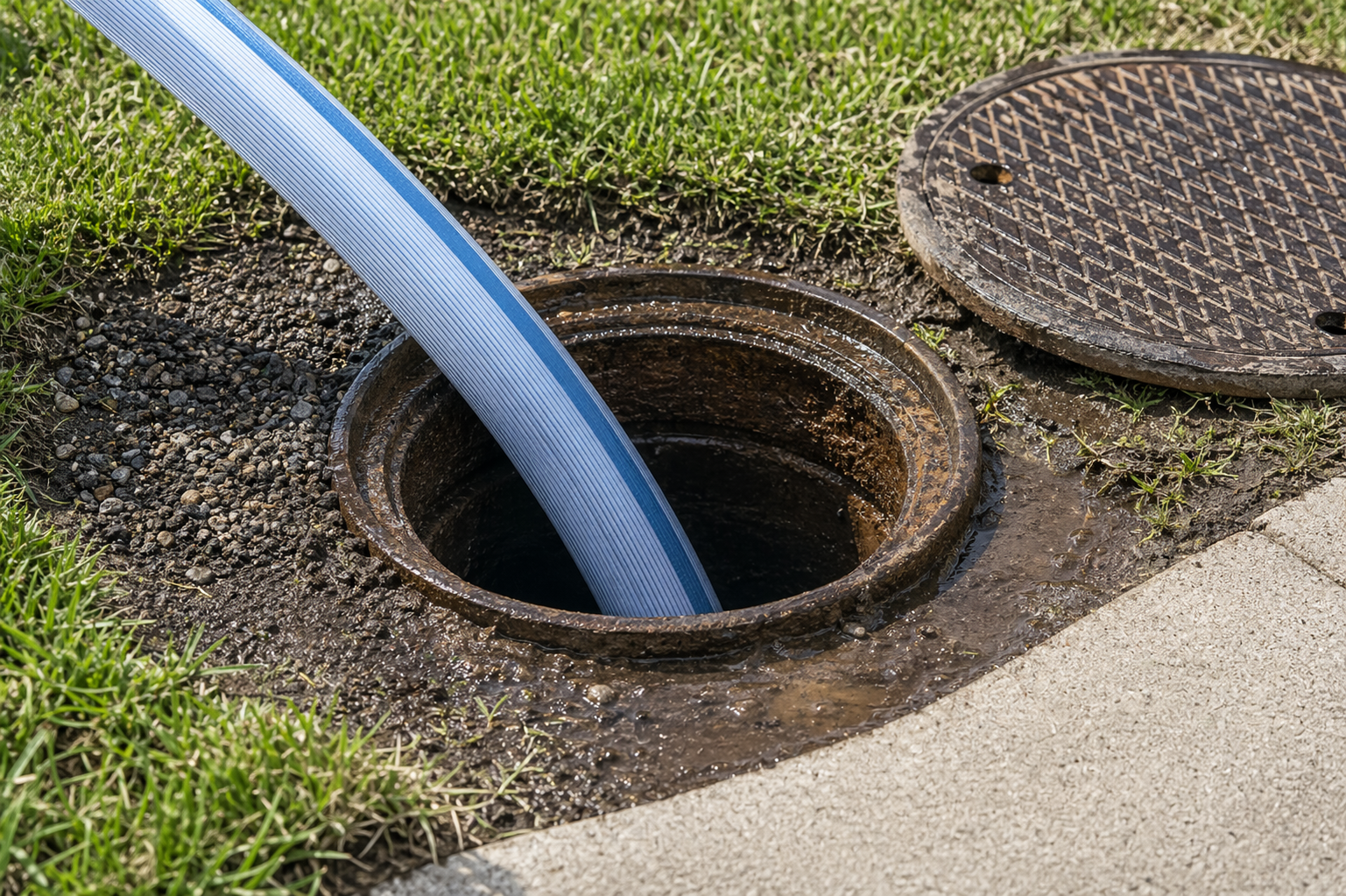
A recurring backup in a 1940s Murray bungalow is a pipe-age problem. A grease-packed floor drain in a restaurant along State Street is a maintenance problem. A shared-main backup in an apartment building affecting three units is a coordination problem. All three are drain calls, but the service path, the equipment, and the conversation are completely different. Murray is a Central Salt Lake Valley city where the property mix includes historic residential neighborhoods with some of the oldest sewer lines in the county, medical and commercial corridors with restaurant and retail drain demands, and apartment complexes with shared-main logistics. Drain cleaning, hydro jetting, sewer camera inspection, and sewer line repair and replacement are all available — the right one depends on the property, the buildup profile, and the line history.
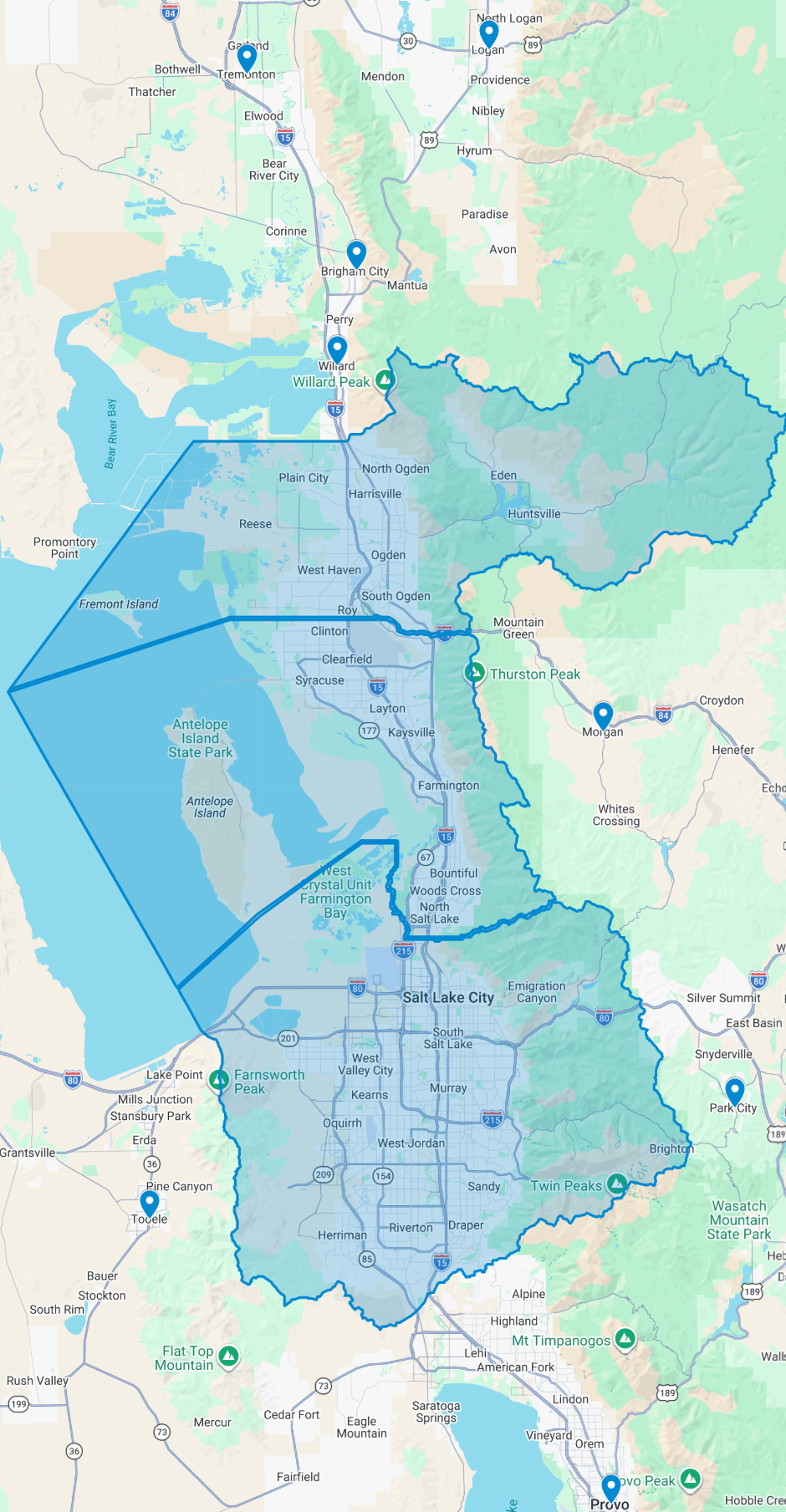
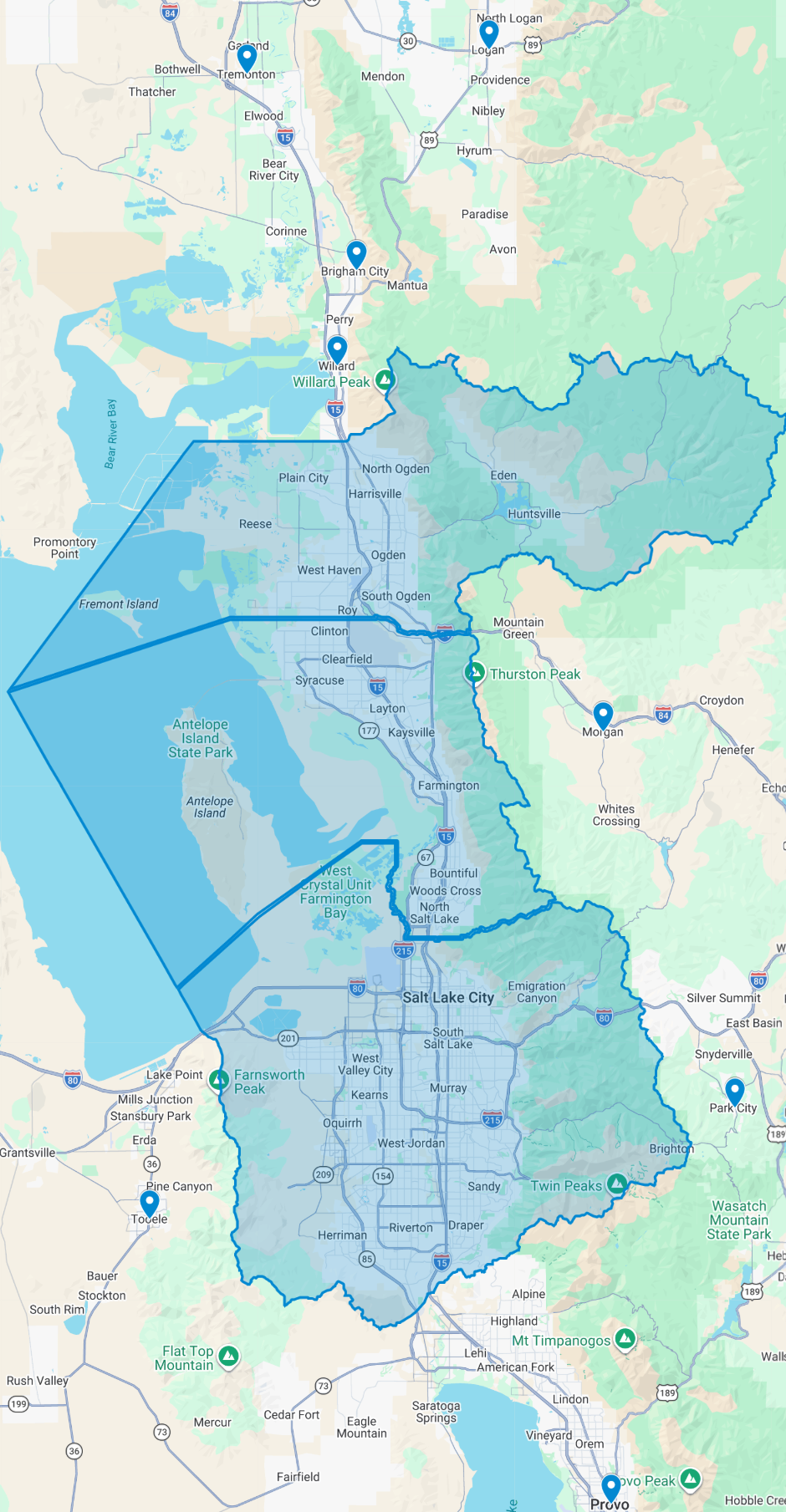
Start with what you are seeing: one slow drain, multiple fixtures backing up, a floor drain that will not clear, a sewage smell, or a clog that has been cleaned before and came back. Then tell us the property type, the approximate age of the building, and whether the line has been serviced or inspected before. If you are a restaurant owner, mention when the grease trap was last serviced. If you are a property manager, tell us how many units are affected and where the main cleanout is. If you are a homeowner in one of Murray's older neighborhoods, mention the build era — it changes whether the camera runs before or after the cleaning and whether hydro jetting is safe on the pipe material in the ground. Nearby areas like Alta, Bluffdale, Cottonwood Heights, Draper, Holladay, and Midvale share the Salt Lake County corridor, but Murray's central location and property variety make it one of the highest-mix service areas in the county.