

Mountain West Jetting
Mountain West logoMountain West Hydro Jetting & Sewer Maintenance LLC

Blog Article

Story by Mountain West Hydro JettingPublished April 4, 2026Hydro Jetting SafetyServing Northern Utah and the Salt Lake corridor

Can Hydro Jetting Damage Old Pipes?

When old pipes can still be good hydro jetting candidates, and when inspection or a different service path makes more sense first.
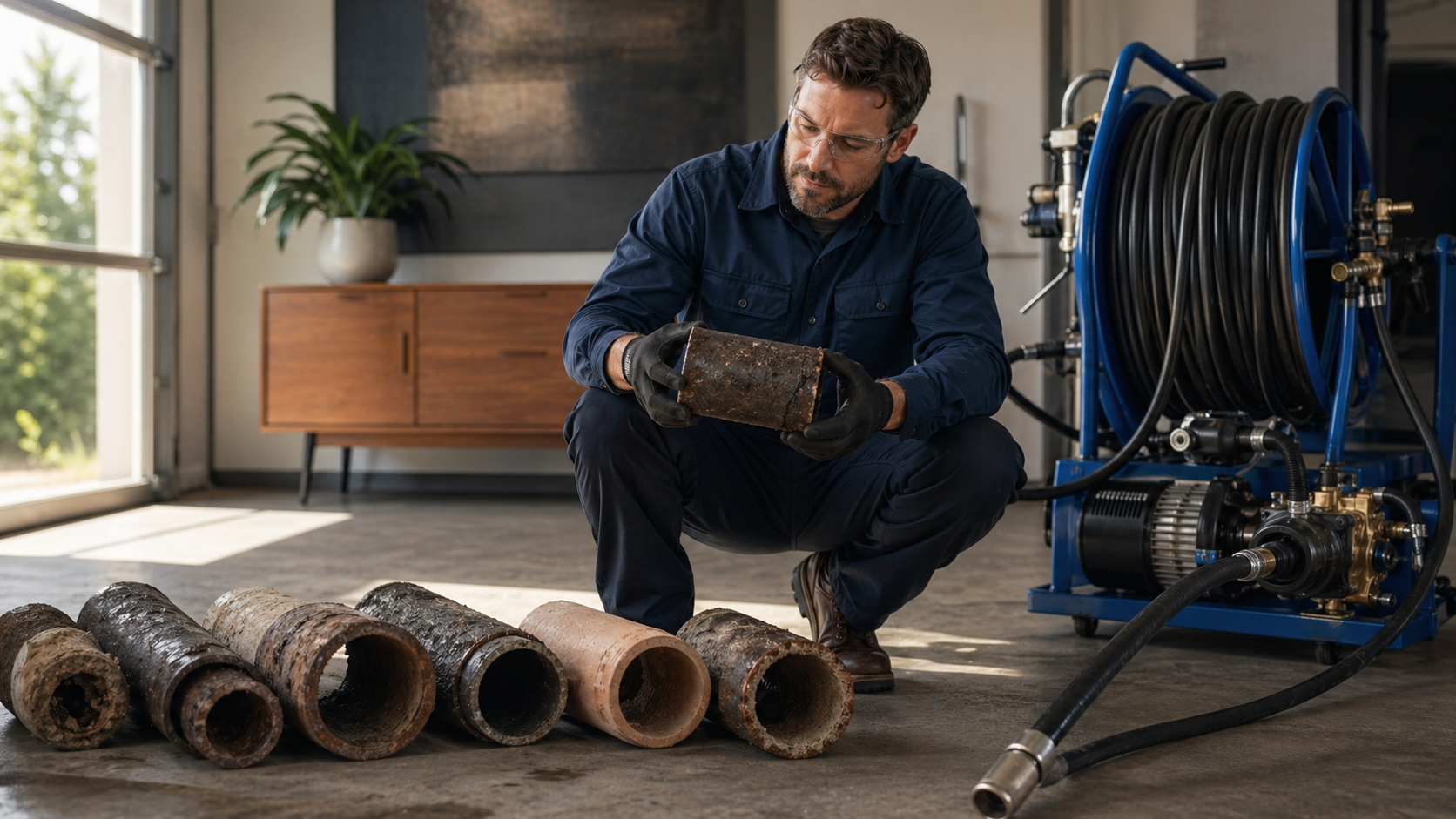
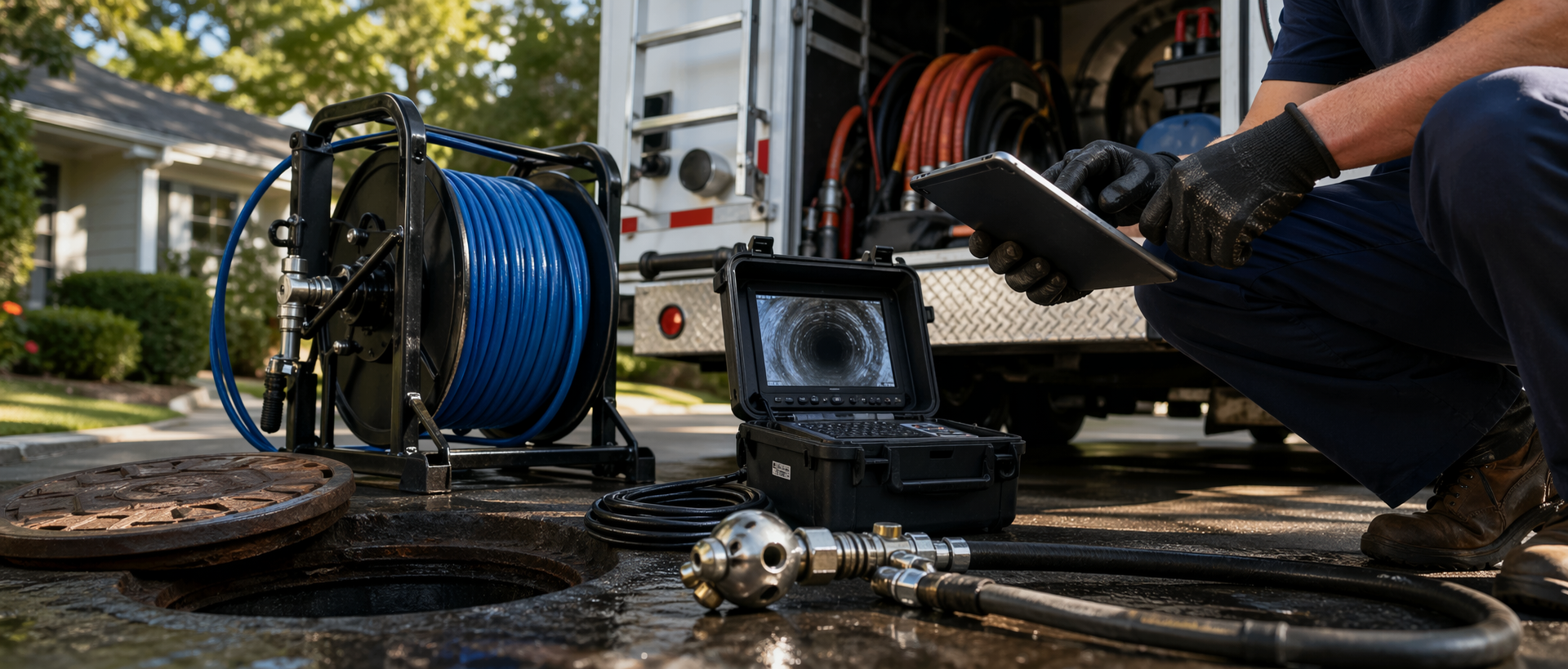
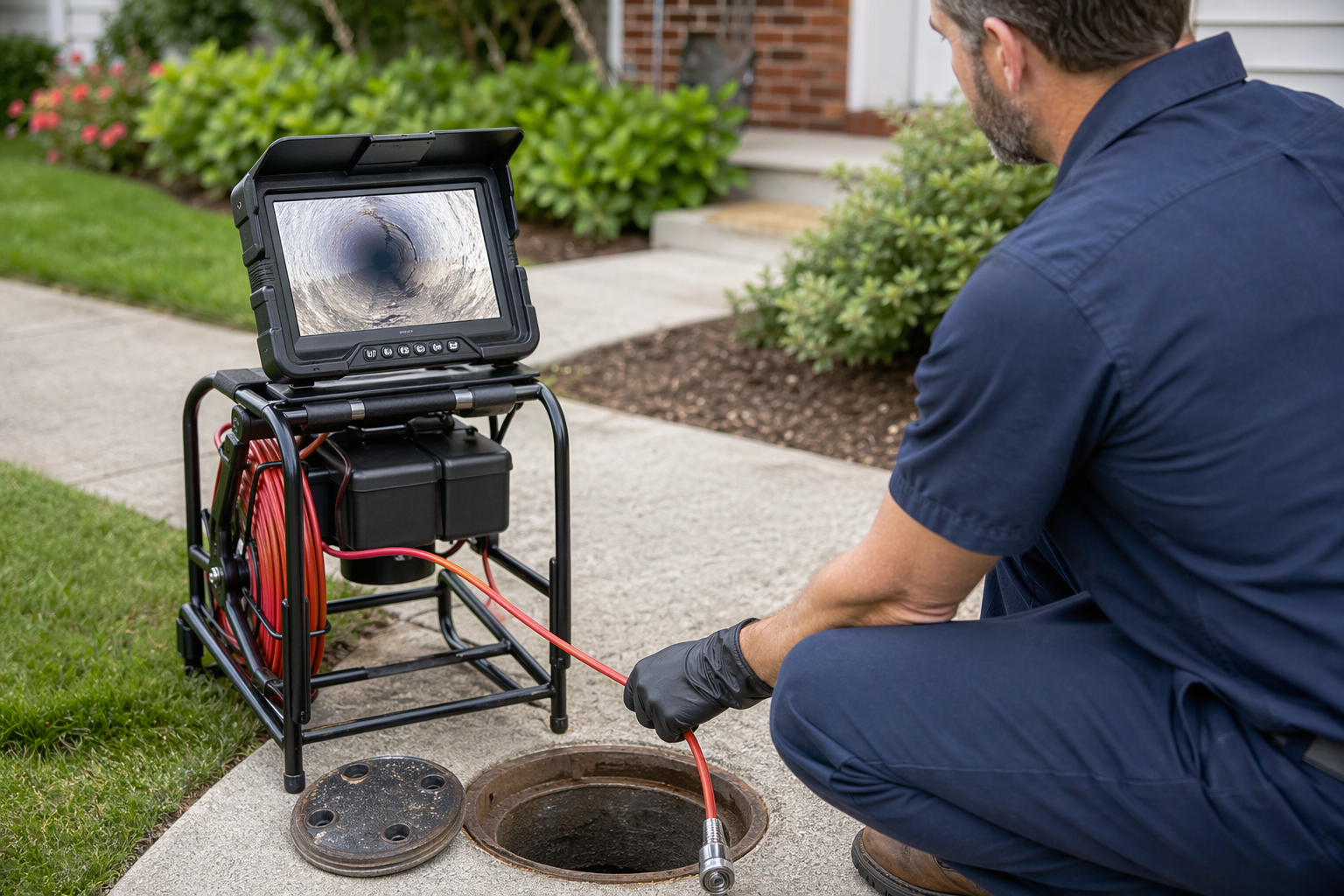
Can Hydro Jetting Damage Old Pipes? article image for Hydro Jetting.

Can Hydro Jetting Damage Old Pipes

Hydro jetting can be safe and effective on many older pipes, but the phrase old pipes by itself is not enough to answer the question. Condition matters more than age alone.

If the line is old but still structurally serviceable, jetting may still be a good fit. If the pipe is weakened, cracked, offset, or otherwise unstable, the line may need inspection or a different cleaning and repair plan first.

What It Means In Practice

These are the most important points when judging hydro jetting on older pipe.

This part of the article is here to add context, not urgency. In most cases, the more clearly someone understands the pattern behind the question, the easier it is to interpret the rest of the information without overreacting to one symptom.

For hydro jetting questions especially, the biggest misunderstandings usually happen when one detail gets all the attention and the wider context gets missed. A fuller explanation makes the rest of the article easier to read and use.

  1. Pipe condition matters more than age alone, because some older lines are still stable while others are already compromised.
  2. Jetting is best used when the problem is buildup and the pipe can still handle the cleaning method safely.
  3. If there is known damage, a camera inspection may be the safer first move before deeper cleaning is approved.
  4. A line that needs repair will not become healthy again just because it gets cleaned more aggressively.

How To Tell When It Fits

The safest approach is to stop guessing about the pipe condition and confirm whether the line is still a viable cleaning candidate.

The point here is not to rush a decision. It is to make the question easier to think about in a calmer, more practical way so the customer can tell what matters, what may not matter, and what kind of explanation actually fits the situation.

This is also where a useful article earns trust, because it helps people sort out the issue for themselves before any service conversation happens. Clear context usually leads to better questions and less confusion.

  1. Review the line history and ask whether there is any known cracking, root damage, offset joints, or repeated failure.
  2. Use a camera inspection first if the pipe condition is uncertain or the property has a strong history of sewer problems.
  3. If the pipe is still structurally serviceable, use hydro jetting when the buildup pattern clearly needs more than basic clearing.
  4. If the inspection shows the line is weak or failing, pivot into repair planning rather than forcing deeper cleaning onto a damaged pipe.

What Makes It Easier To Use

These details help the safety conversation become more specific and useful.

Small details often change how a situation should be interpreted. The more clearly someone can describe what they are seeing, the easier it is to make sense of the question and separate the useful details from the distracting ones.

These notes are here to make the topic easier to read, compare, and talk about. In many cases, a little more clarity early on prevents a lot of confusion later.

  1. Do not describe the pipe only as old. Mention the material, any known history, and how the line has behaved after past cleaning.
  2. Tell the company whether roots, scale, or recurring sludge are part of the problem.
  3. If the line has already been camera-inspected, use those findings to shape the cleaning decision.
  4. Be wary of treating hydro jetting as the automatic answer when the pipe may already be damaged.

How We Apply It

We help determine whether the line is still a good jetting candidate and what should happen if it is not.

By the time someone reaches this part of the article, they usually want to understand how the information above connects to the actual service work. The goal is to make that connection clear without turning the article into a sales script.

Tying the topic back to hydro jetting helps the article stay grounded in real service context. It shows how the explanation relates to the work itself, which makes the page feel more useful and more complete.

  1. We look at the blockage pattern, line history, and condition questions before recommending hydro jetting.
  2. We can inspect the line first if the condition is unclear or if old-pipe risk needs to be understood better.
  3. We explain when jetting still fits and when repair, replacement, or a different cleaning path is the smarter choice.
  4. We keep the recommendation grounded in what the pipe can actually support, not just in what sounds more aggressive.

Common Questions

These are the follow-up questions people usually still have after the main explanation. They help turn the article into something more useful than a one-line definition.

For hydro jetting topics, the best next questions are usually the ones that connect the explanation back to real-world service decisions and the conditions that make the topic matter.

Are old pipes automatically bad candidates for hydro jetting?

No. Age alone does not decide that. The actual pipe condition is what determines whether the line is still a safe and useful candidate.

Should I always get a camera inspection first?

Not always, but it is often the safer call when the pipe history is uncertain or the line may already have structural issues.

What if the pipe is too damaged for jetting?

Then the focus usually shifts into repair or replacement planning, depending on what the inspection shows.
Related Next Steps

Next StepHydro JettingExplore hydro-jetting resolution if can hydro jetting damage old pipes points toward deeper cleaning.Next StepSewer Camera InspectionUse this page if can hydro jetting damage old pipes makes you want diagnostic footage before choosing the next path.Next StepBook A Free QuoteStart a free quote if you want service-fit or pricing guidance after this article.Next StepRelated Blog TopicsCompare adjacent articles around can hydro jetting damage old pipes before you choose the next path.

More for You

Follow-up blog articles chosen for this page so the next question stays close to the same decision path.

What Happens Before a Hydro Jetting Service Starts? article image for Hydro Jetting.Blog ArticleWhat Happens Before a Hydro Jetting Service Starts?Read this next for another hydro jetting angle that builds on this article.When Does a Clog Need Hydro Jetting Instead of Snaking? article image for Hydro Jetting.Blog ArticleWhen Does a Clog Need Hydro Jetting Instead of Snaking?Read this next for another hydro jetting angle that builds on this article.What Is Hydro Jetting and When Should It Be Used? article image for Hydro Jetting.Blog ArticleWhat Is Hydro Jetting and When Should It Be Used?Read this next for another hydro jetting angle that builds on this article.What Does Hydro Jetting Remove That Snaking Does Not? article image for Hydro Jetting.Blog ArticleWhat Does Hydro Jetting Remove That Snaking Does Not?Read this next for another hydro jetting angle that builds on this article.

Quick Answers About Can Hydro Jetting Damage Old Pipes?