

Mountain West Jetting
Mountain West logoMountain West Hydro Jetting & Sewer Maintenance LLC

Blog Article

Story by Mountain West Hydro JettingPublished April 4, 2026Hydro JettingServing Northern Utah and the Salt Lake corridor

When Does a Clog Need Hydro Jetting Instead of Snaking?

How to tell when a recurring clog needs deeper hydraulic cleaning instead of another basic mechanical clear.
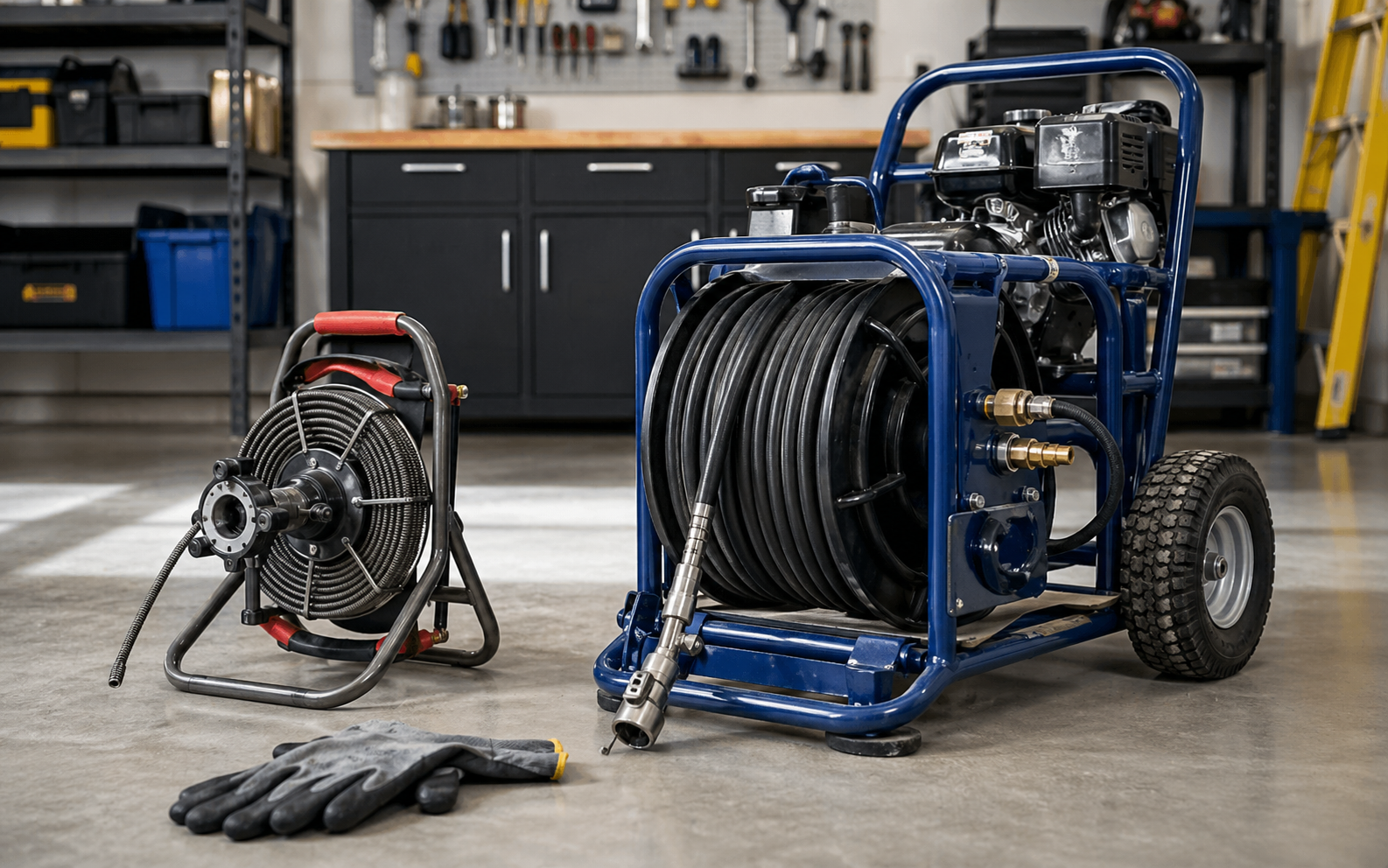
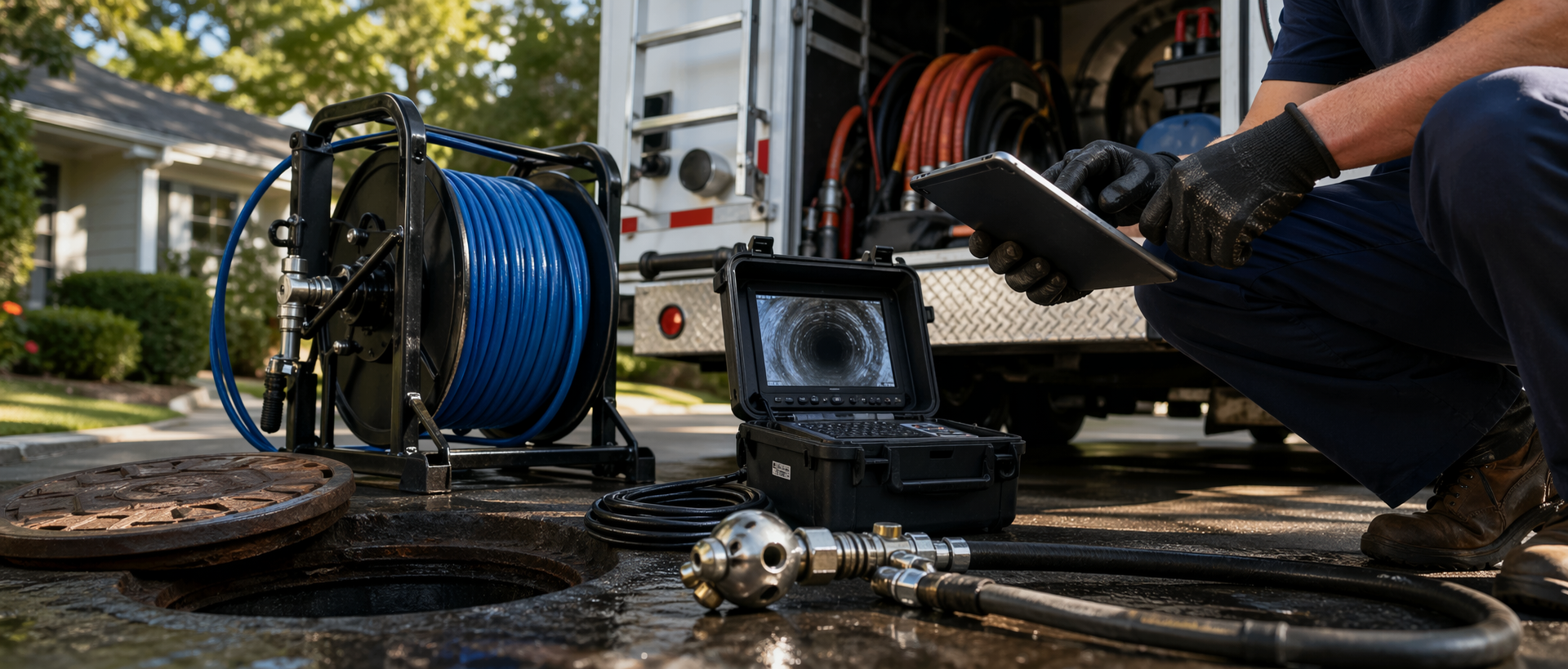
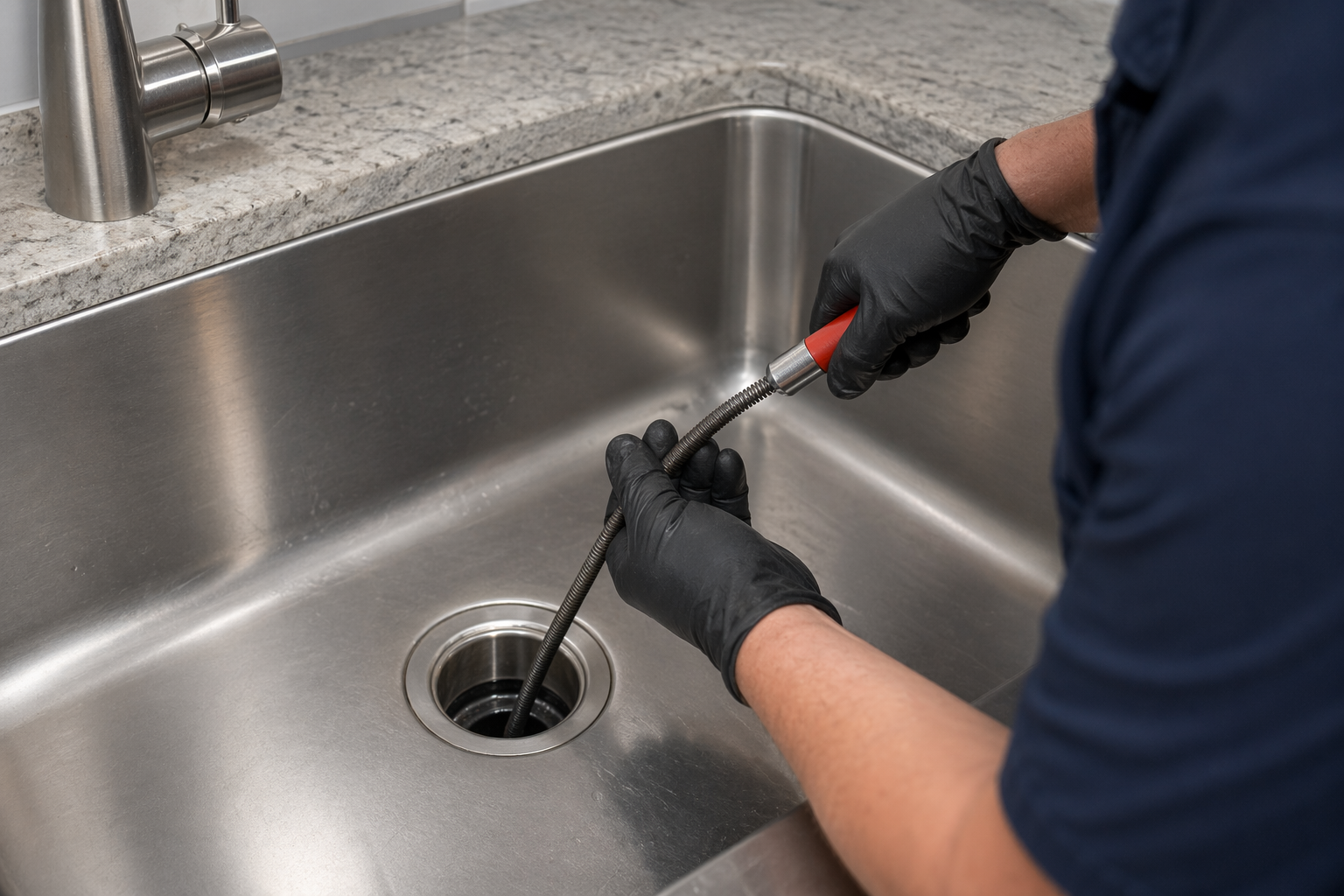
When Does a Clog Need Hydro Jetting Instead of Snaking? article image for Hydro Jetting.

When Does a Clog Need Hydro Jetting Instead of Snaking

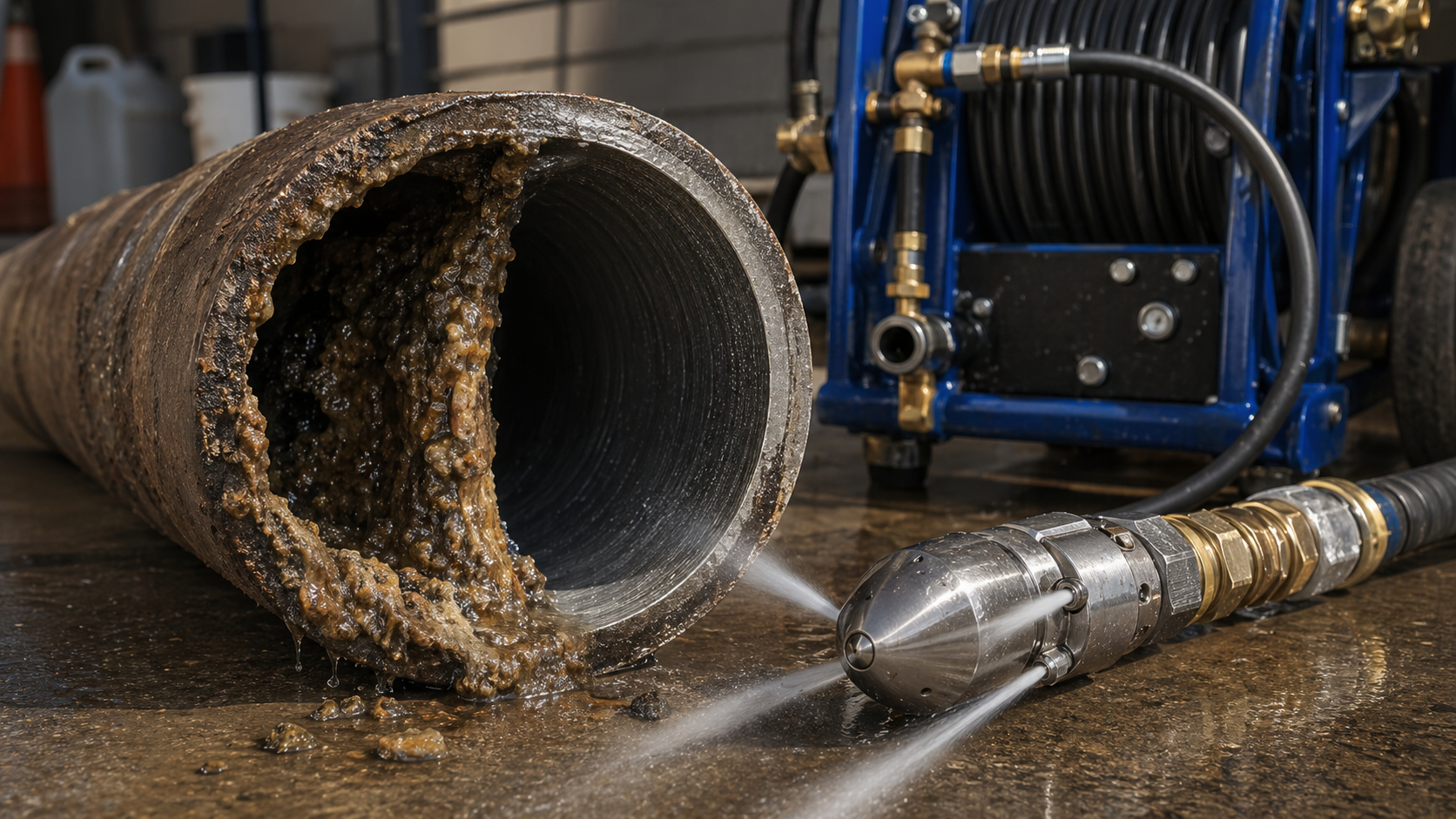
Snaking and hydro jetting do not solve the same kind of clog the same way. Snaking can open a blockage fast, but hydro jetting is usually the better fit when buildup is coating the pipe walls and the restriction keeps coming back.

The real question is whether the line needs a quick opening or a deeper reset. That difference matters when you are trying to stop repeat failures instead of only getting temporary relief.

When It Starts Becoming Relevant

These are the situations where hydro jetting usually starts making more sense than another snake visit.

This part of the article is here to add context, not urgency. In most cases, the more clearly someone understands the pattern behind the question, the easier it is to interpret the rest of the information without overreacting to one symptom.

For hydro jetting questions especially, the biggest misunderstandings usually happen when one detail gets all the attention and the wider context gets missed. A fuller explanation makes the rest of the article easier to read and use.

  1. The clog keeps returning because grease, sludge, scale, or residue is still left behind after basic clearing.
  2. The line is long enough or dirty enough that a spot clear is not restoring full-wall flow.
  3. The problem involves a heavier main line, commercial-use line, or buildup pattern that needs more than a hole punched through it.
  4. You need a more complete cleaning result before camera inspection, maintenance planning, or repair decisions can be made clearly.

How To Think About The Timing

Choosing correctly starts with understanding what keeps causing the clog, not only what opens it today.

The point here is not to rush a decision. It is to make the question easier to think about in a calmer, more practical way so the customer can tell what matters, what may not matter, and what kind of explanation actually fits the situation.

This is also where a useful article earns trust, because it helps people sort out the issue for themselves before any service conversation happens. Clear context usually leads to better questions and less confusion.

  1. Ask whether the line sounds blocked by a single object or by layered buildup that keeps narrowing the pipe.
  2. If the clog has been cleared before and still comes back quickly, move the conversation beyond another routine snake.
  3. Use inspection or symptom history to decide whether the line condition is good enough for hydraulic cleaning.
  4. If the problem looks structural, use jetting as a cleaning step only when it still fits safely with the next diagnostic or repair plan.

What Helps You Read The Situation

These habits make the service recommendation clearer and more useful.

Small details often change how a situation should be interpreted. The more clearly someone can describe what they are seeing, the easier it is to make sense of the question and separate the useful details from the distracting ones.

These notes are here to make the topic easier to read, compare, and talk about. In many cases, a little more clarity early on prevents a lot of confusion later.

  1. Tell the technician whether the line has already been snaked recently.
  2. Describe whether the issue is grease-heavy, root-related, or tied to a commercial kitchen or heavy-use line.
  3. Do not assume the stronger option is automatically the right one if the pipe condition is still unknown.
  4. If odors and slow flow affect a longer section of the property, mention that because it often points to buildup rather than one isolated blockage.

How We Sort The Timing Out

We help determine whether you need a quick clearing, a deeper line reset, or a different next step entirely.

By the time someone reaches this part of the article, they usually want to understand how the information above connects to the actual service work. The goal is to make that connection clear without turning the article into a sales script.

Tying the topic back to hydro jetting helps the article stay grounded in real service context. It shows how the explanation relates to the work itself, which makes the page feel more useful and more complete.

  1. We review the blockage pattern and line history so the recommendation matches the actual problem instead of the keyword the customer searched.
  2. We can provide drain cleaning, hydro jetting, or camera-guided next-step planning depending on what the line really needs.
  3. We explain when jetting is worth the extra scope and when a snake or inspection-first approach is more practical.
  4. If the line appears damaged, we can point you into repair planning instead of repeating cleaning indefinitely.

Questions About The Timing

These are the timing questions people usually still have after reading the main article. They help clarify whether the issue belongs in the “watch it,” “plan it,” or “act on it now” category.

When the topic is when does a clog need hydro jetting instead of snaking, the useful follow-up questions are usually about urgency, fit, and what details change the timing of the next step.

Is hydro jetting always better than snaking?

No. It is better for certain buildup patterns, but some clogs still respond well to simpler clearing when the line condition and blockage type fit that approach.

What if the clog came back right after snaking?

That often suggests leftover buildup, a deeper restriction, or a structural issue that needs a different service path than repeating the same clearing method.

Should a camera inspection happen before hydro jetting?

Sometimes yes, especially if the line is older, the pipe condition is unknown, or the symptoms suggest there may be damage in addition to buildup.
Related Next Steps

Next StepHydro JettingExplore hydro-jetting resolution if when does a clog need hydro jetting instead of snaking points toward deeper cleaning.Next StepDrain CleaningCompare whether a simpler clearing path still fits after reading about when does a clog need hydro jetting instead of snaking.Next StepBook A Free QuoteStart a free quote if you want service-fit or pricing guidance after this article.Next StepRelated Blog TopicsCompare adjacent articles around when does a clog need hydro jetting instead of snaking before you choose the next path.

More for You

Follow-up blog articles chosen for this page so the next question stays close to the same decision path.

What Does Hydro Jetting Remove That Snaking Does Not? article image for Hydro Jetting.Blog ArticleWhat Does Hydro Jetting Remove That Snaking Does Not?Read this next for another hydro jetting angle that builds on this article.What Is Hydro Jetting and When Should It Be Used? article image for Hydro Jetting.Blog ArticleWhat Is Hydro Jetting and When Should It Be Used?Read this next for another hydro jetting angle that builds on this article.Can Hydro Jetting Damage Old Pipes? article image for Hydro Jetting.Blog ArticleCan Hydro Jetting Damage Old Pipes?Read this next for another hydro jetting angle that builds on this article.What Happens Before a Hydro Jetting Service Starts? article image for Hydro Jetting.Blog ArticleWhat Happens Before a Hydro Jetting Service Starts?Read this next for another hydro jetting angle that builds on this article.

Quick Answers About When Does a Clog Need Hydro Jetting Instead of Snaking?