

Does a floor drain backup always mean a sewer problem?
Not always. Some floor drain backups are local to that drain, but many are linked to a broader main drain or sewer issue, especially when other fixtures are involved too.
Blog Article
What floor drain backups often mean, when the issue is local, and when the problem points to the main drain or sewer line.

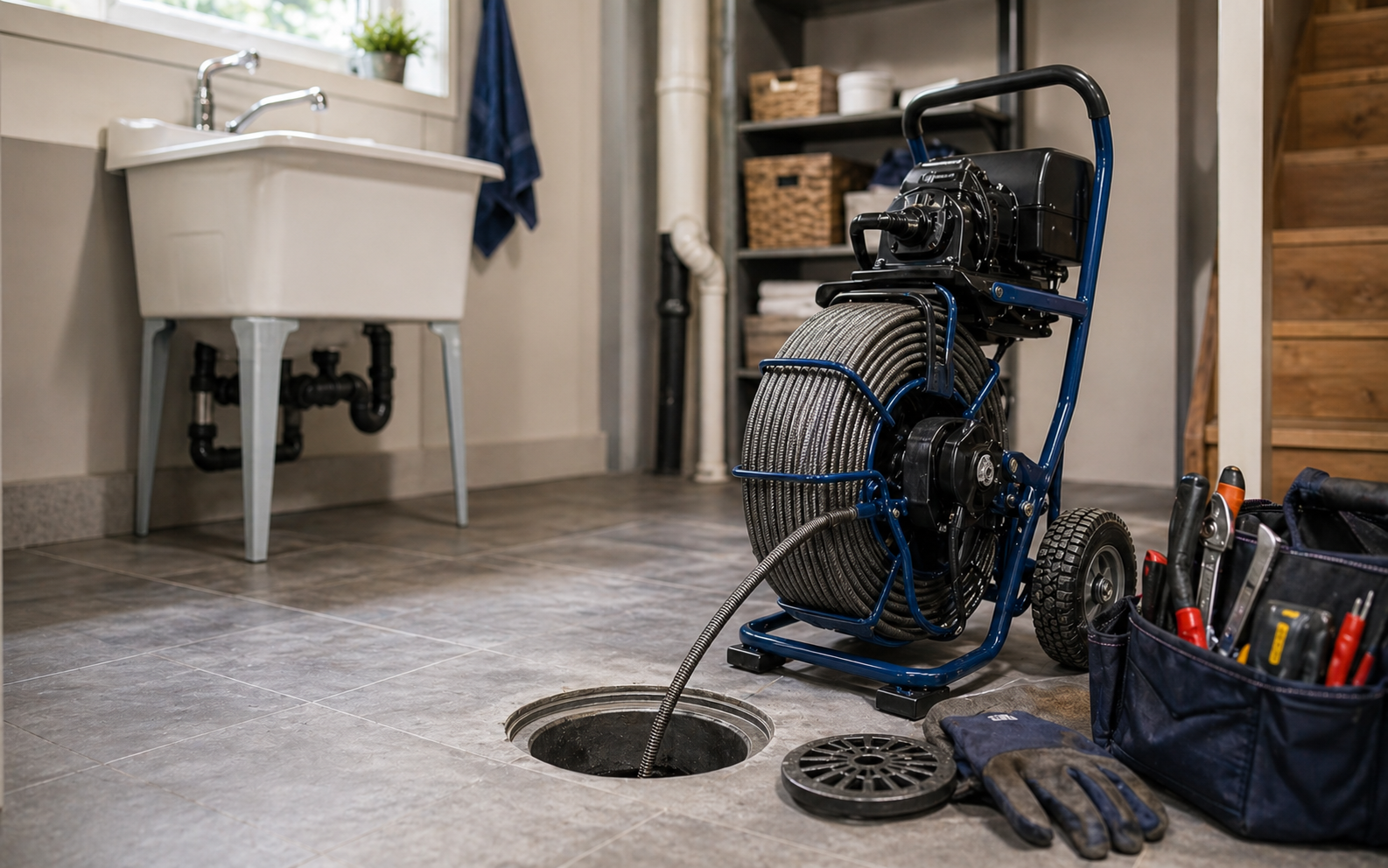
A floor drain backup can come from a local blockage, but it can also be an early warning sign of a larger main drain or sewer problem. That is why floor drain backups should not be treated like random nuisance events, especially when they happen in basements, utility rooms, or low points in the property.
The key is figuring out whether the floor drain itself is the issue or whether it is simply the first place the system is showing that wastewater has nowhere else to go.
These are some of the most common reasons a floor drain begins backing up.
This part of the article is here to add context, not urgency. In most cases, the more clearly someone understands the pattern behind the question, the easier it is to interpret the rest of the information without overreacting to one symptom.
For floor drain cleaning questions especially, the biggest misunderstandings usually happen when one detail gets all the attention and the wider context gets missed. A fuller explanation makes the rest of the article easier to read and use.
The first step is to determine whether the backup is local or connected to a broader drainage failure.
The point here is not to rush a decision. It is to make the question easier to think about in a calmer, more practical way so the customer can tell what matters, what may not matter, and what kind of explanation actually fits the situation.
This is also where a useful article earns trust, because it helps people sort out the issue for themselves before any service conversation happens. Clear context usually leads to better questions and less confusion.
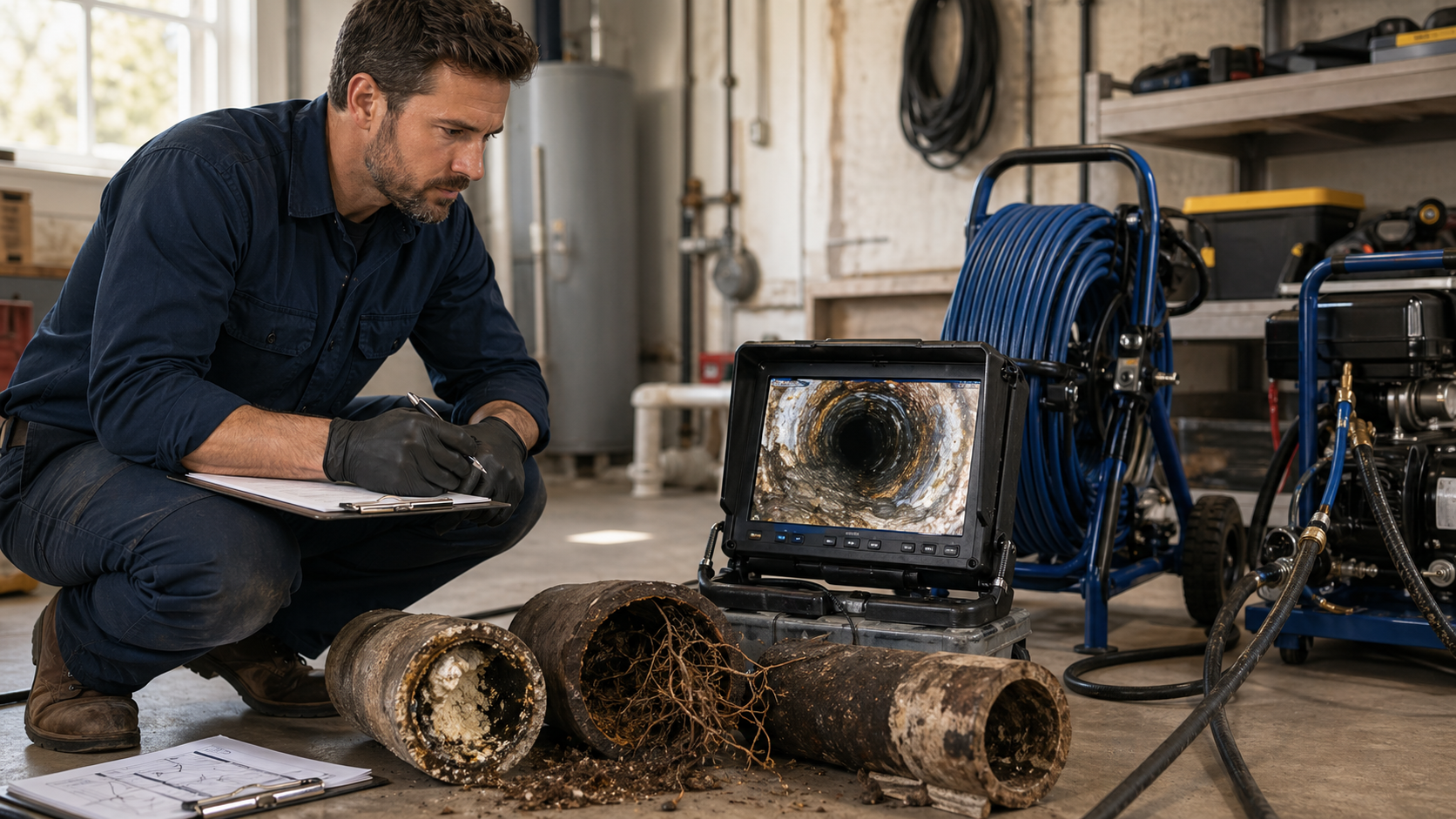
These observations usually make floor-drain diagnosis much faster.
Small details often change how a situation should be interpreted. The more clearly someone can describe what they are seeing, the easier it is to make sense of the question and separate the useful details from the distracting ones.
These notes are here to make the topic easier to read, compare, and talk about. In many cases, a little more clarity early on prevents a lot of confusion later.
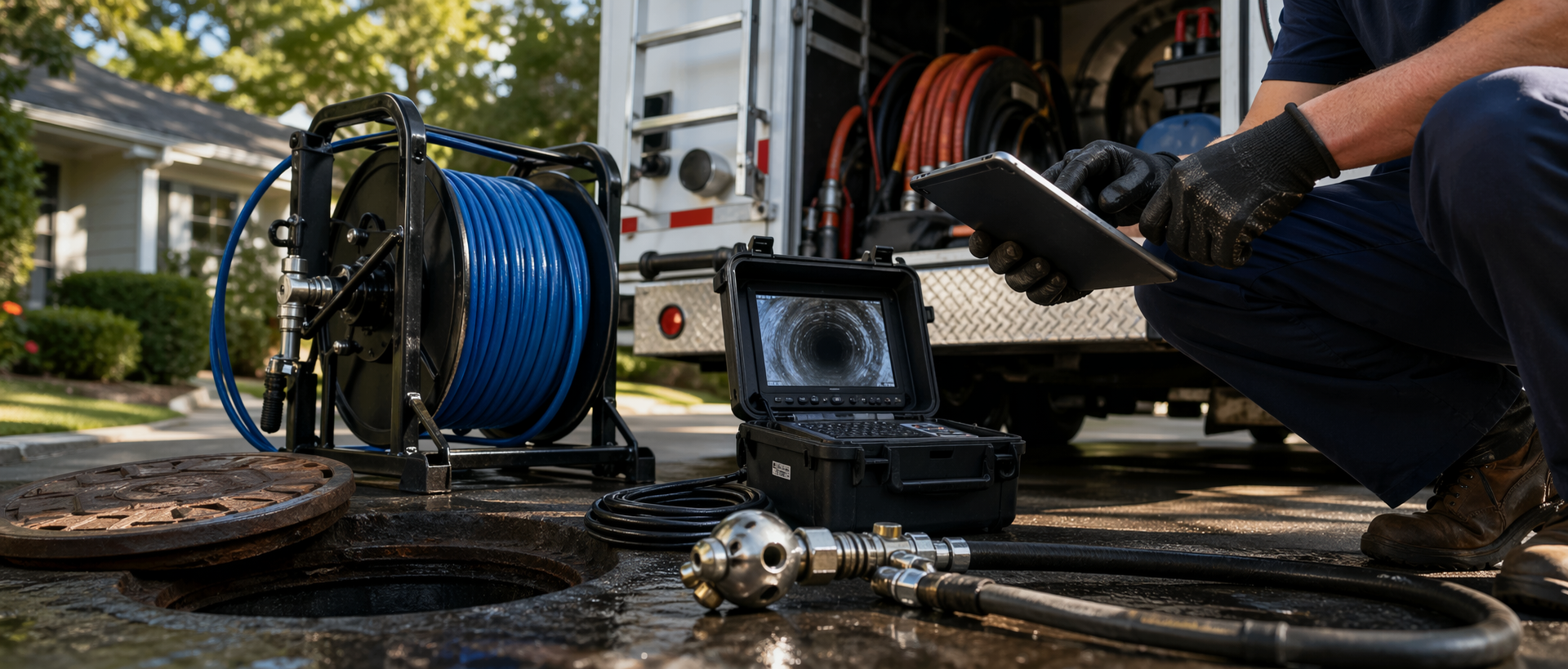
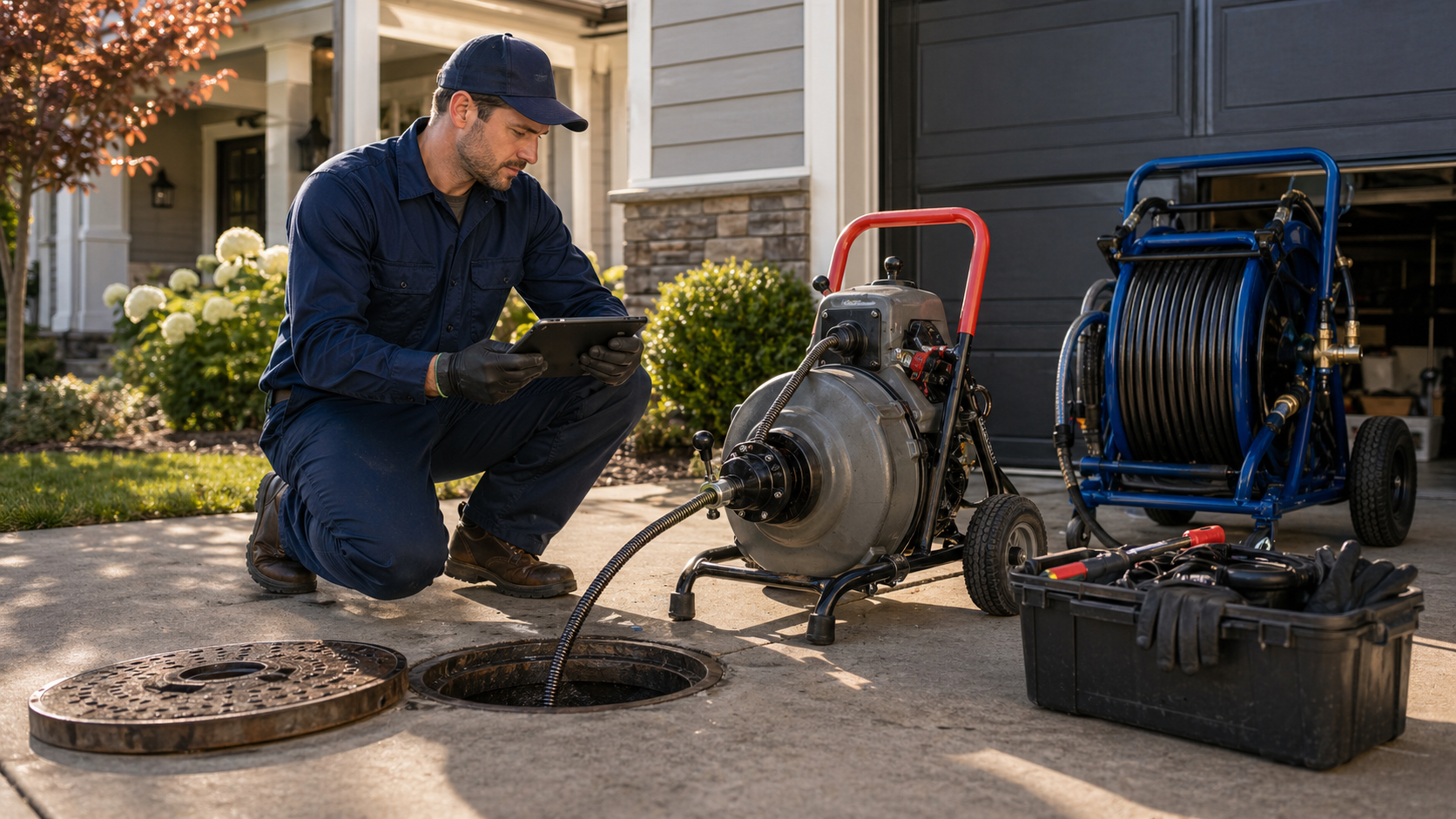
We help determine whether the floor drain needs local cleaning or whether the issue points to a larger main drain problem.
By the time someone reaches this part of the article, they usually want to understand how the information above connects to the actual service work. The goal is to make that connection clear without turning the article into a sales script.
Tying the topic back to floor drain cleaning helps the article stay grounded in real service context. It shows how the explanation relates to the work itself, which makes the page feel more useful and more complete.
These are the questions that usually come up after the warning signs start making more sense. They help separate one scary detail from the bigger pattern behind the article.
For floor drain backup questions, the most useful follow-ups are usually about what the signs actually suggest and when the pattern points beyond a smaller isolated problem.
Not always. Some floor drain backups are local to that drain, but many are linked to a broader main drain or sewer issue, especially when other fixtures are involved too.
Because they are at a low point in the property and often reveal when wastewater cannot move out of the system normally.
When wastewater is actively backing up, the system is affecting multiple fixtures, or the low-area overflow risk is increasing quickly.