Negs
Very professional and arrived fast. Would recommend to everyone. If I could give them 10 stars I would!
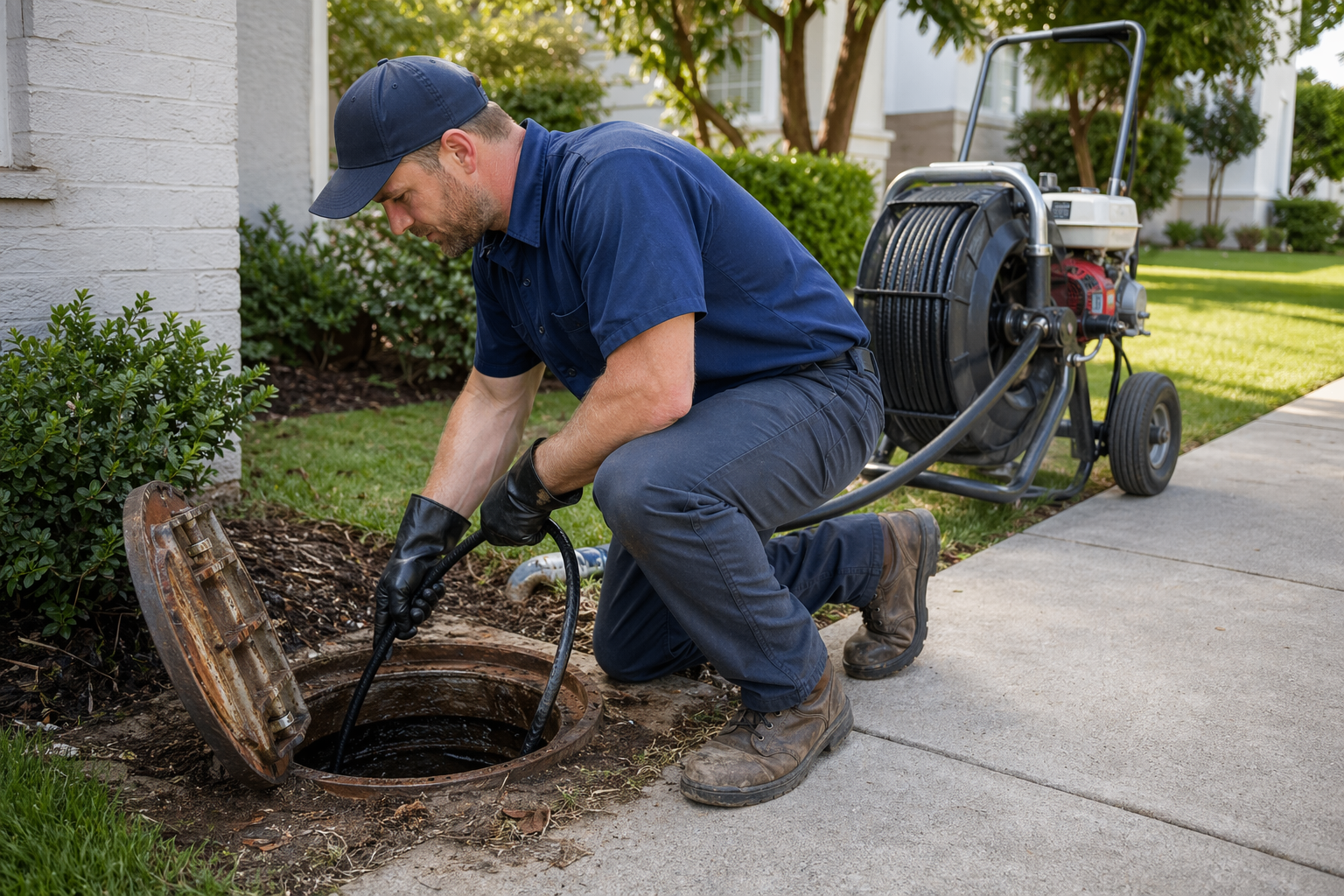
Commercial sewer maintenance for restaurants, multifamily properties, and facilities with higher daily use and a stronger need for scheduled sewer care.
What you are seeing
The sewer line at a commercial property does not fail like a residential one. It fails during a dinner rush, a full building occupancy weekend, or a tenant move-in - because the line handles more volume, more grease, and more continuous load than it was sized for, and the buildup accumulates faster than anyone scheduled a cleaning.
If the property has already had an emergency backup, a tenant complaint, or a health department concern tied to the sewer system, the next step is not another emergency call. It is a maintenance plan that keeps the line ahead of the load it carries every day.
When this service fits
Commercial sewer maintenance fits restaurants, multifamily buildings, retail centers, and any facility where the sewer system handles higher daily volume than a single-family home and the cost of a backup extends beyond the repair bill - lost revenue, tenant disruption, health code exposure, and liability.
This is the right path when the property needs a recurring maintenance schedule built around how the building actually uses the sewer system, not a one-time cleaning that treats the symptom and waits for the next failure.
What you walk away with
After the first visit, you know the condition of the commercial sewer runs, where the heaviest buildup accumulates, and how often the lines need to be cleaned to stay ahead of the load. The maintenance schedule is set to the property's actual use pattern - not a generic annual recommendation.
Each scheduled visit includes camera verification so the interval can be adjusted based on what the pipe shows, not what the calendar says. If a line is deteriorating faster than expected, that shows up on footage before it becomes a backup during operations.
Problem
Commercial sewer lines carry more waste, more grease, and more continuous volume than residential lines - and they do it on a schedule dictated by business operations, not personal use. A restaurant pushes grease and food waste through the line every service hour. A 20-unit apartment building sends concentrated morning and evening loads through a shared lateral that was sized for average flow, not peak demand. A retail center with multiple food tenants combines the output of several kitchens into a single sewer run that no one has inspected since the building was constructed.
The difference between a commercial sewer failure and a residential one is the cost of the disruption. A residential backup is inconvenient. A commercial backup shuts down a kitchen during service, floods a tenant unit and triggers a habitability complaint, or puts a facility on the wrong side of a health inspection. Emergency service calls cost more than scheduled maintenance, and the damage to revenue, tenant relationships, and regulatory standing compounds with every hour the system is down. Commercial sewer maintenance replaces the emergency cycle with a planned approach - cleaning the lines on a schedule that matches the building's use pattern, documenting the pipe condition at each visit, and identifying deterioration before it produces a failure during operations.
A scheduled maintenance program costs less per year than a single emergency backup costs per incident - and it eliminates the disruption, the liability exposure, and the reactive spending cycle that emergency-only sewer management produces.
Solution
Commercial sewer maintenance is not a single cleaning visit. It is a recurring service program built around the property's sewer load, pipe condition, and operational schedule. The first visit establishes a baseline - which lines carry the heaviest volume, how much buildup has accumulated since the last service, what the pipe walls look like after jetting, and where the highest-risk sections sit. Every subsequent visit is scheduled against that baseline and adjusted based on what the camera shows at each cleaning.
The maintenance cadence varies by property type. A restaurant with heavy grease output may need quarterly jetting on the kitchen line and semi-annual cleaning on the main run. A multifamily building with 30 units may hold for six months between services if the pipe is in good condition, or need quarterly attention if root intrusion or aging joints are compounding the buildup. The schedule is driven by what the pipe shows, not by a preset calendar that ignores how the building actually uses the system.
Every maintenance visit includes camera documentation. That footage creates a service history for the property - a visual record of pipe condition over time that shows whether the lines are holding, deteriorating, or developing new issues between cleanings. Facility managers, property owners, and management companies can use that record for budgeting, capital planning, and demonstrating proactive maintenance to insurers or regulatory bodies.
Fit and situation bullets
Problem bullets
Customer Feedback
See what property managers and commercial customers say after scheduled sewer maintenance — from consistent scheduling and clear communication to the next-step clarity on what the line needs between visits.
Leave a Review!These guys are great! I run a plumbing company but don’t do drains. I often sub contract them to service my customers sewer lines. They don’t only make me happy, but they keep my customers happy and that’s what matters to me most. Thanks guys!
Amazing experience! They are knowledgeable, kind, courteous and very thorough. Our clogged kitchen pipe was a bit of a challenge but they kept going and did everything they could to get it unclogged and they did it! They were very upfront with what caused the clog, gave us video recording of our pipes so we can see exactly what was done, double checked to make sure the pipes were clean and free of clogs and gave us steps on how to maintain the pipes moving forward. Highly recommend!!
This company is Awesome!!! Highly recommend that you call them for your drain cleaning and power washing needs! A++ in service, cost, and quality of work. Alex and Jacob completed drain work, patio cleaning, and filled in cracks in cement. The patio looks brand new! Thank you Alex and Jacob!!!
Alex was very good to work with. They were professional and punctual, working around my schedule. They were able to show me exactly before and after, even showing footage inside my pipes, which I have never seen before. I would recommend them.
Awesome experience! AJ was super professional and got us back in service. They offered us a few solutions and cleared our clogged sewer line for an excellent price
Very professional and arrived fast. Would recommend to everyone. If I could give them 10 stars I would!
Very pleased by my wonderful experience with this company and their service. They were very efficient and fast with their time. I appreciate their professionalism and commitment to the work they did for me!
Why Mountain West
Camera rated to 200 feet
Documents the full commercial sewer run at every maintenance visit - up to 200 feet of pipe with live footage review - creating a visual service history that tracks pipe condition over time and supports facility planning.
Jetting and camera on every call
Both deploy on every commercial sewer maintenance visit. The jetting cleans the line and the camera documents the result - condition changes, new buildup patterns, and any emerging structural issues are captured at every service interval.
3,850 PSI jetting capability
Commercial-grade cleaning at 3,850 PSI and 8 GPM strips grease, sludge, and heavy residue from sewer walls 2 to 12 inches in diameter with 300 feet of reach - enough to cover the full commercial run from the building to the connection.
20+ years combined field experience
Two decades of maintaining commercial and multifamily sewer systems and knowing the difference between a line that needs a tighter cleaning interval and one that needs repair planning added to the maintenance program.
Licensed and insured
Licensed for sewer, drain, and drainage system work - the classification that covers the recurring commercial maintenance scope, not a general plumbing license applied to sewer work.
The first visit establishes the baseline. Every visit after that is measured against it - cleaning the lines, documenting the condition, and adjusting the schedule based on what the pipe shows.
You leave the first visit with clean sewer runs, camera footage of the baseline condition, and a maintenance schedule built around how the property actually uses the system - with each future visit adjusting the interval based on what the pipe shows, not what the calendar assumes.
If the commercial sewer system needs something beyond recurring maintenance - a one-time deep cleaning, a prevention-focused inspection plan, or camera documentation to evaluate a repair recommendation - these services address specific needs that sit alongside or ahead of the maintenance program.
Evidence
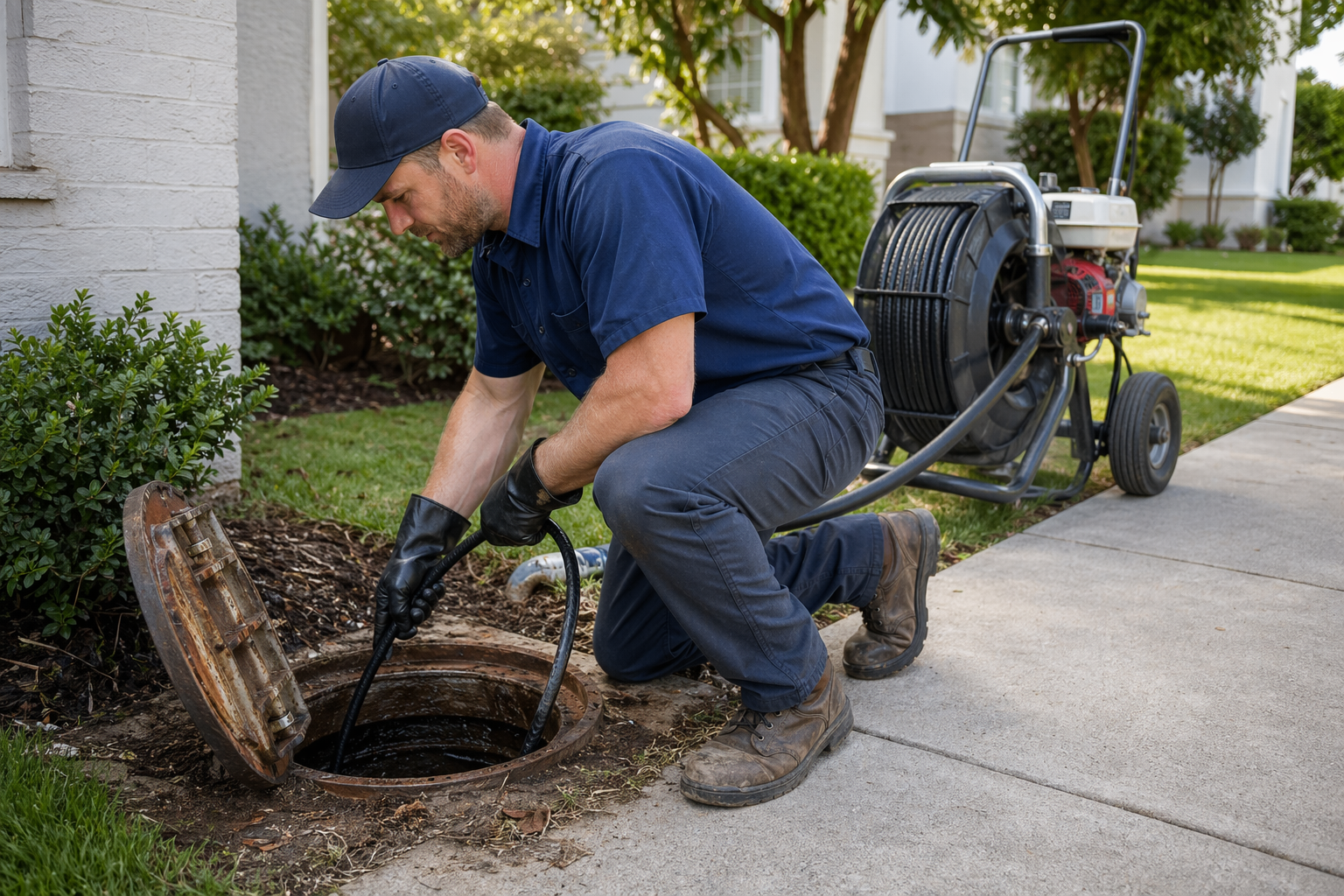 Next Service RouteSewer Cleaning And MaintenanceWhen the property needs a one-time deep cleaning of the main sewer run before starting a recurring maintenance schedule - establishing a clean baseline to measure future buildup against.
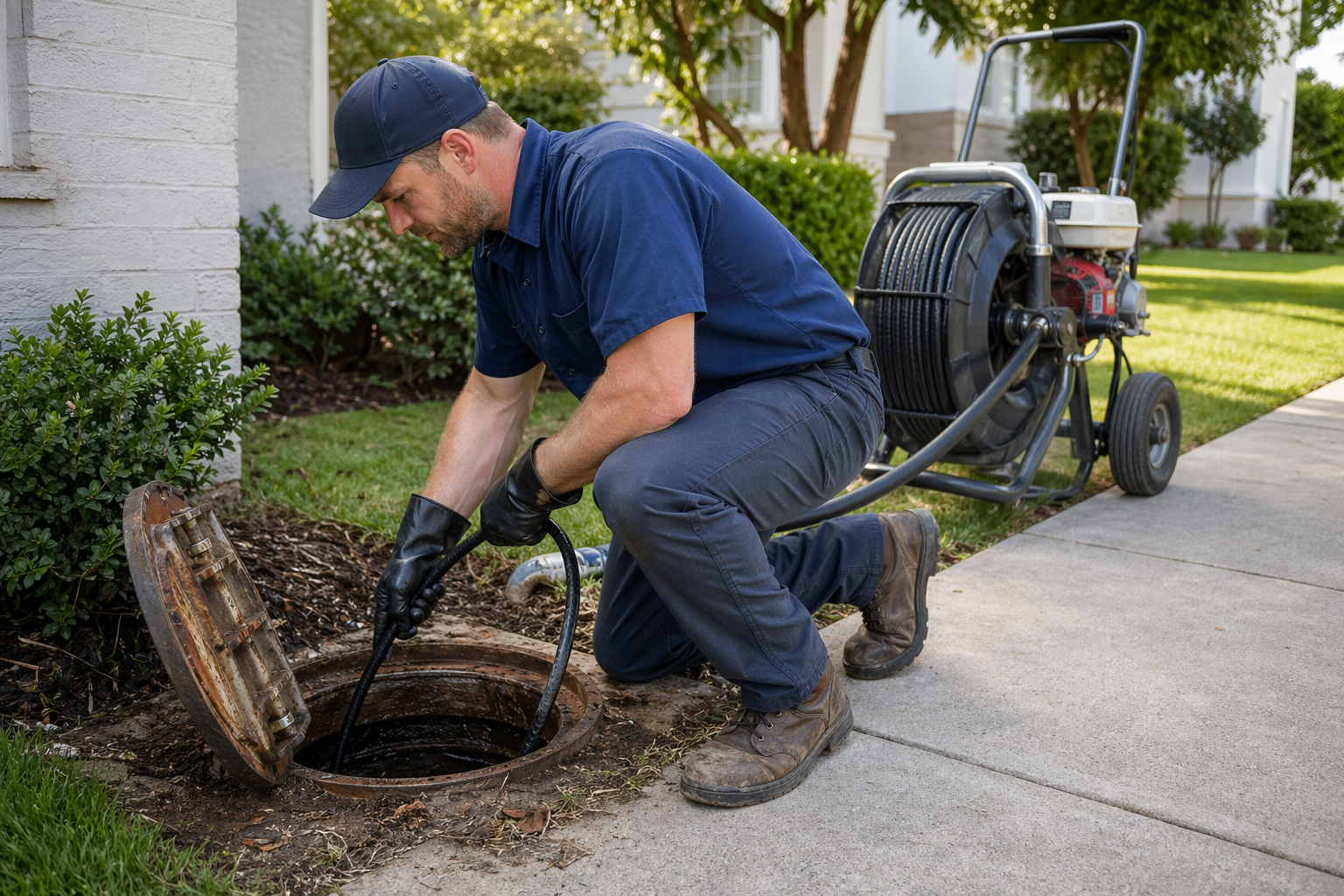 Next Service RouteSewer Backup PreventionWhen the primary goal is reducing backup risk across the property through a prevention-focused plan that combines scheduled cleaning, camera monitoring, and proactive intervention before failures occur.
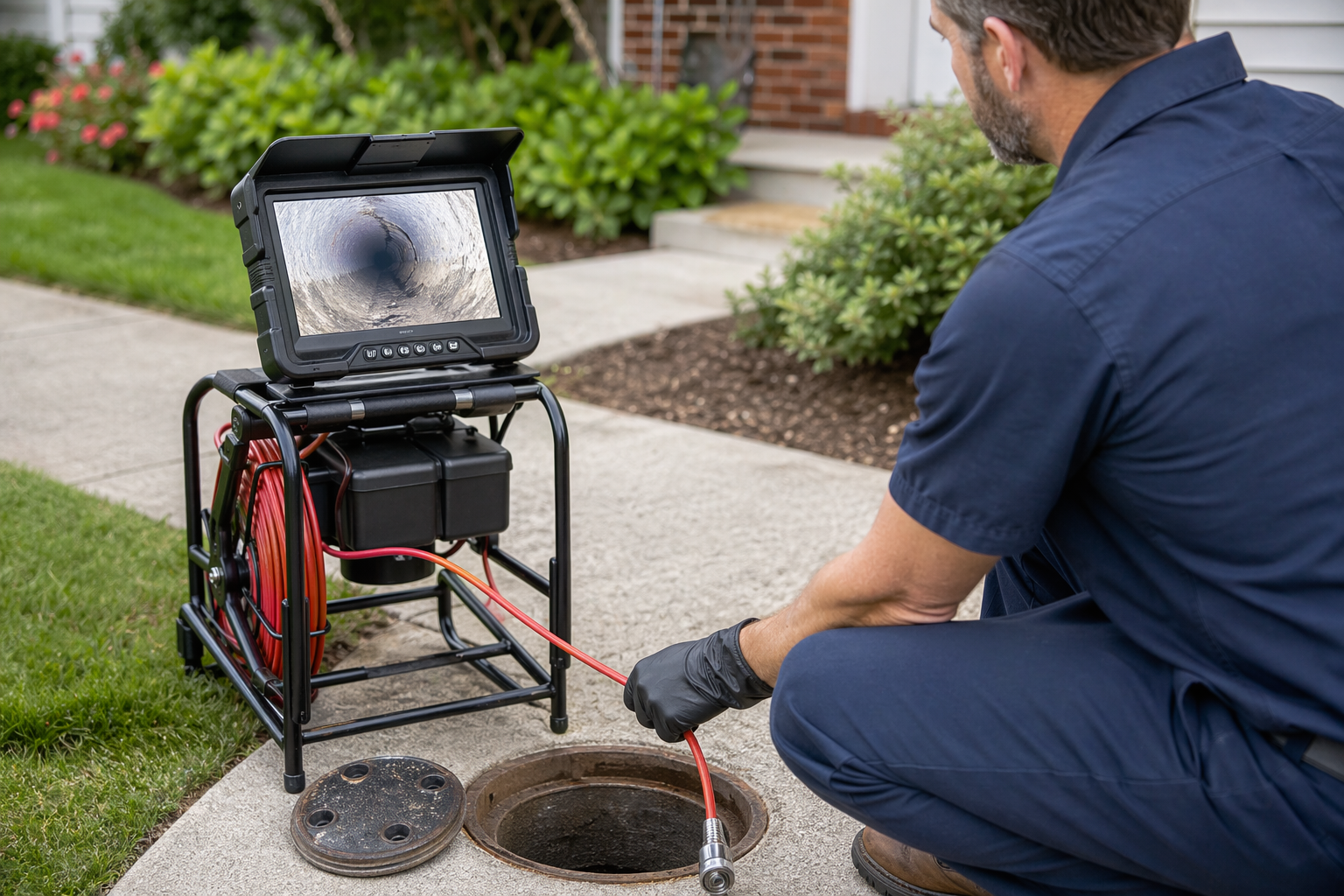 Next Service RouteSewer Camera InspectionWhen the commercial sewer system needs a standalone diagnostic inspection before any maintenance begins - documenting pipe condition, structural issues, and damage that should be addressed before a cleaning schedule is set.
Scope and timing
Cost
Support
These are the quick answers most people want before they call, book, or decide on the next step.
Commercial sewer maintenance includes scheduled jetting of the highest-risk sewer runs on the property, camera documentation of pipe condition at each visit, and a maintenance cadence recommendation based on the building's actual sewer load - grease volume, tenant count, and pipe condition. Each visit cleans the lines and records the result so the interval is adjusted based on footage, not assumptions.
Restaurants with heavy grease output, multifamily buildings with shared sewer laterals serving high unit counts, retail centers with multiple food tenants, and any commercial facility where a sewer backup disrupts operations, triggers tenant complaints, or creates health code or liability exposure. Properties that have already experienced an emergency backup are the strongest candidates for moving to a scheduled program.
The first visit establishes a baseline - jetting the commercial sewer runs, documenting post-cleaning pipe condition with camera footage, and setting the maintenance interval based on buildup rate and line health. Each subsequent visit cleans the lines, re-documents the condition, and adjusts the schedule based on what the pipe shows at that service.
Know how many sewer runs the property has, what type of commercial use generates the heaviest load, and how many backups have occurred in the past year. If prior camera footage or service records exist, share them - they help set the initial maintenance interval. If the work needs to happen outside business hours, mention scheduling constraints upfront so the visit is planned around operations.
Related Reading
These follow-up reads stay close to this service and answer the pricing, warning-sign, process, and comparison questions that usually come next.
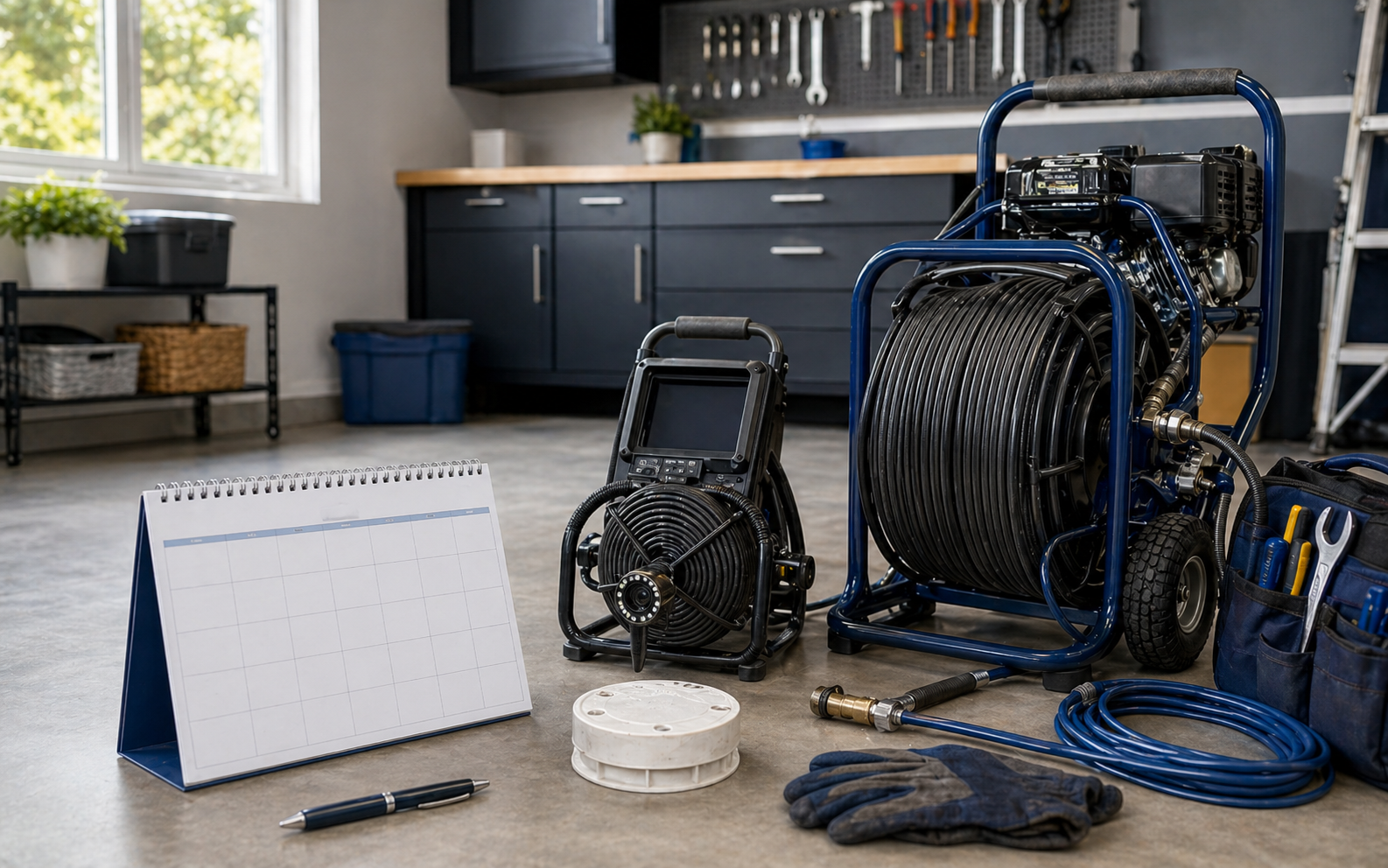
Timing Help
Covers the factors that determine cleaning frequency and why commercial properties need a different maintenance interval than residential homes.
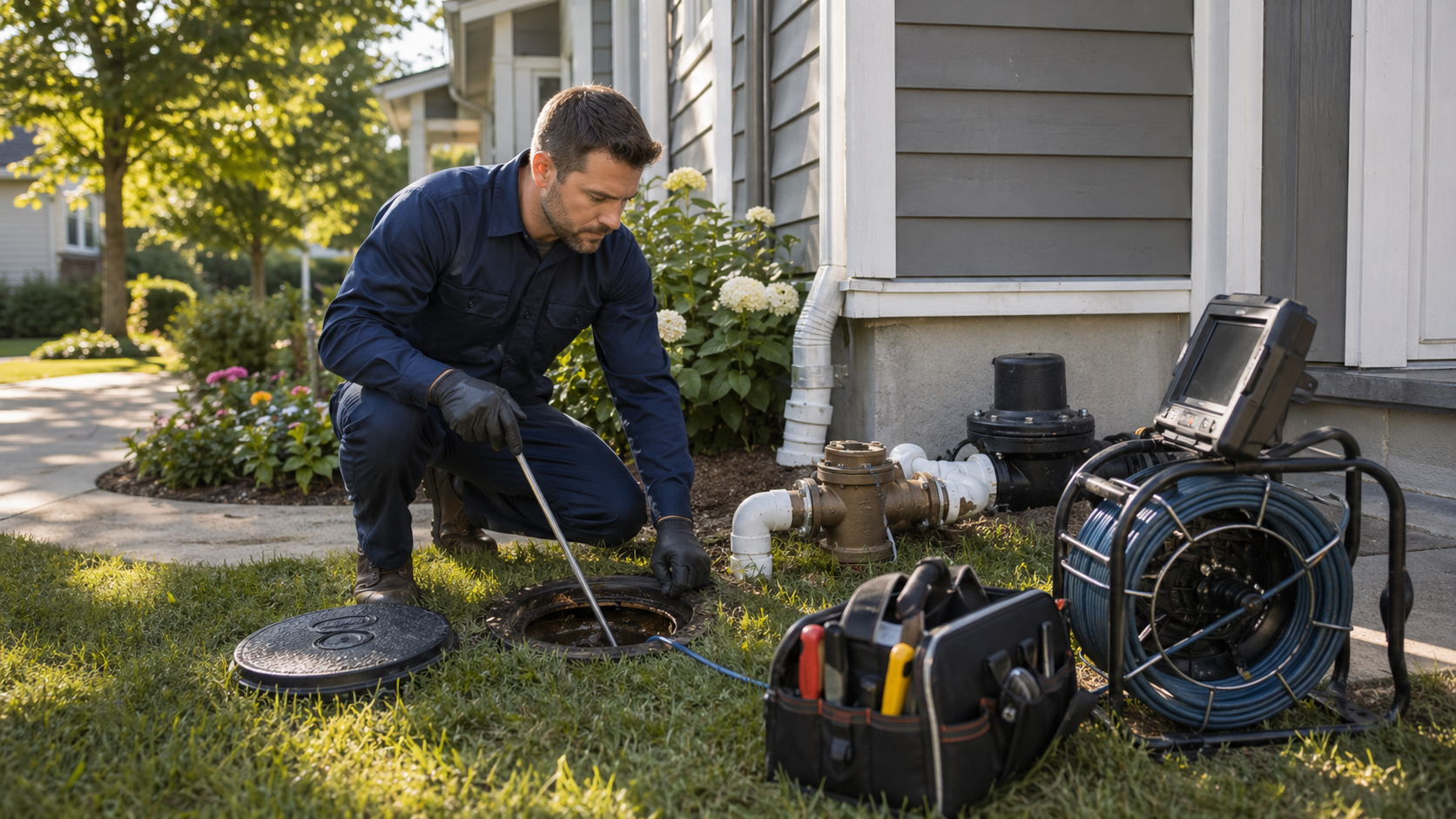
Service Explainer
Explains which prevention strategies actually reduce backup risk and which ones are just marketing language with no operational impact.
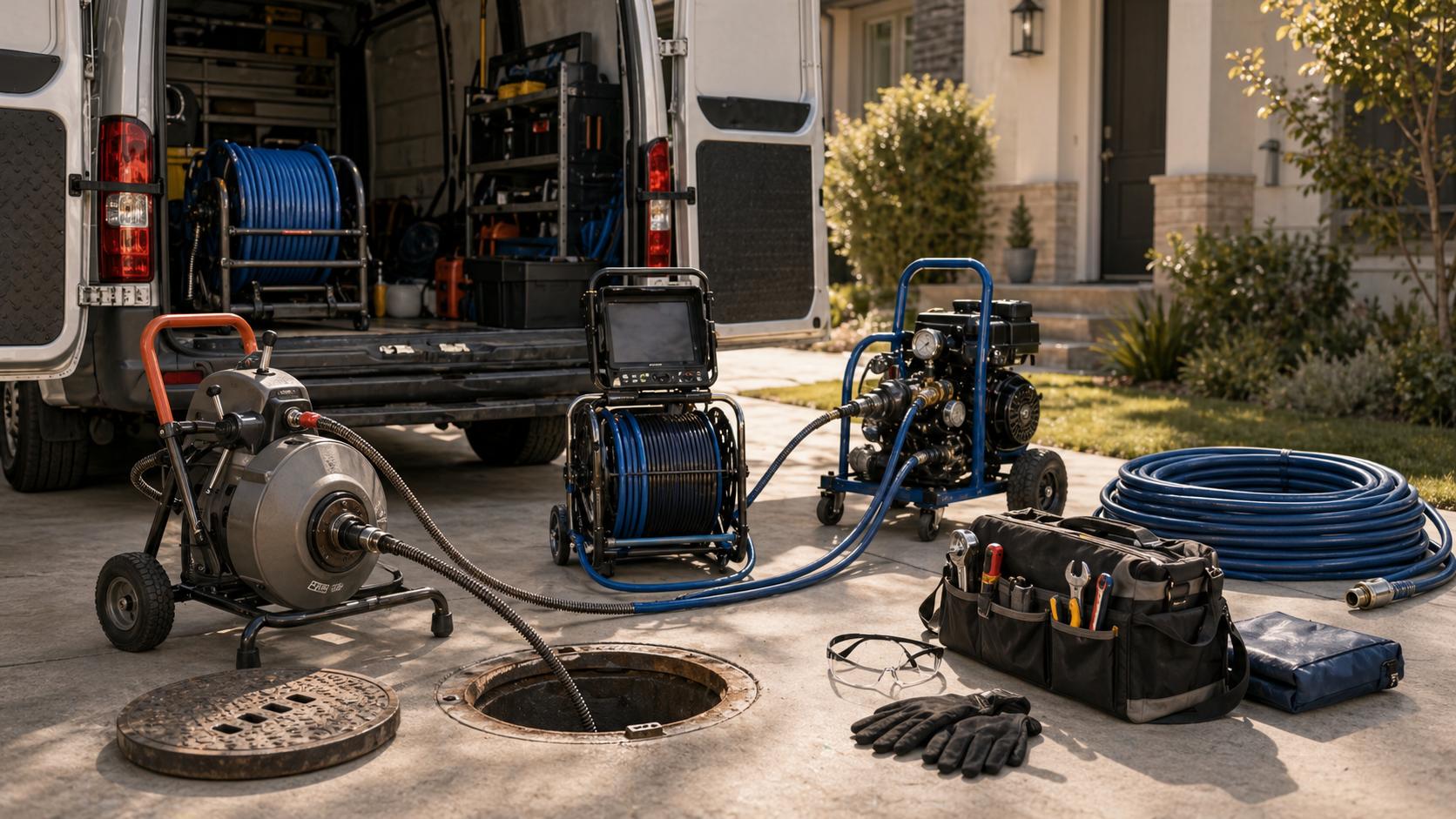
Service Explainer
Breaks down what a sewer cleaning visit typically includes so you can compare scope and value before committing to a maintenance program.