
Negs
Very professional and arrived fast. Would recommend to everyone. If I could give them 10 stars I would!
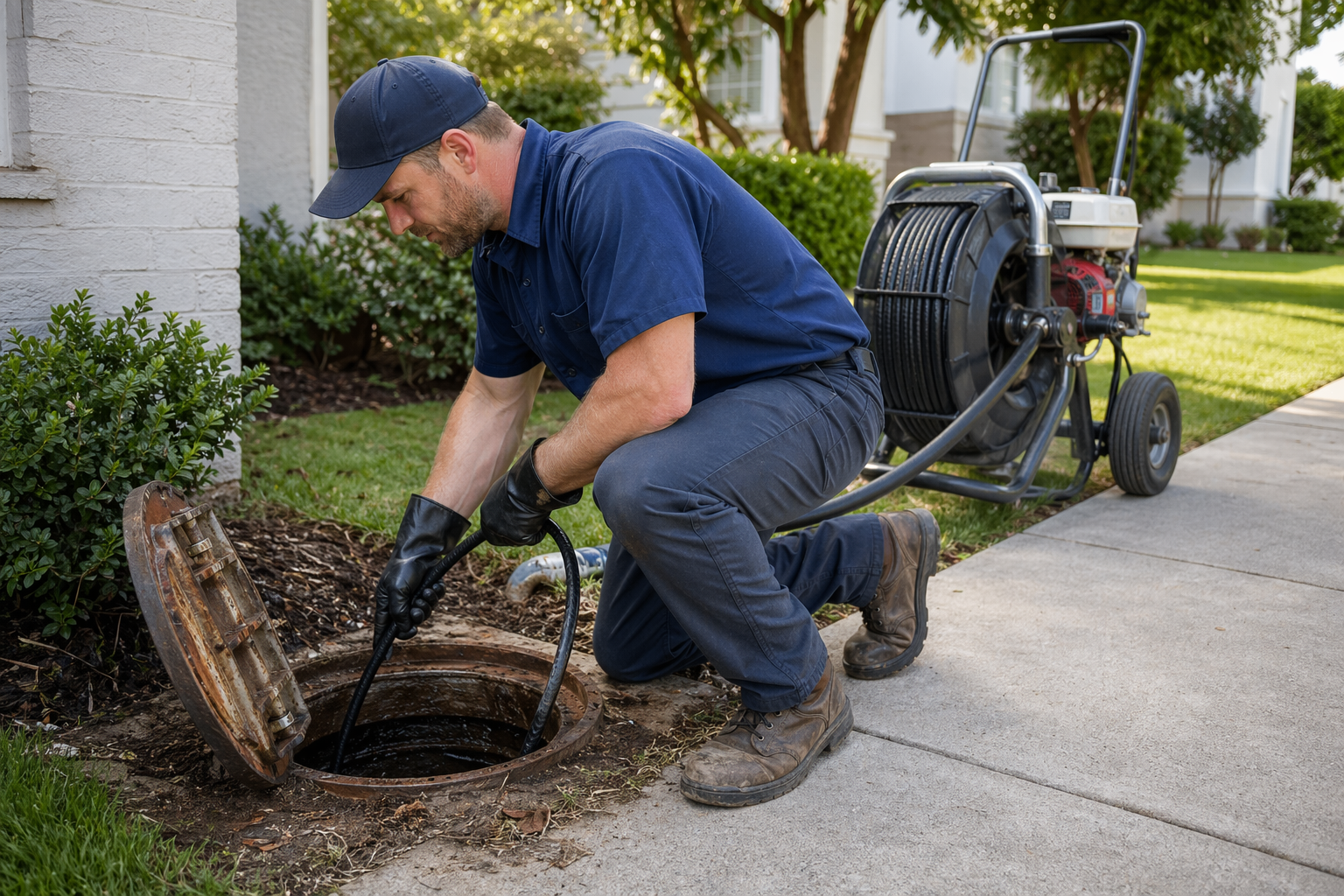
Sewer backup prevention for owners who want to reduce the chance of another mainline failure through planned cleaning, inspection, and maintenance.
What you are seeing
You have already had a sewer backup - sewage on the basement floor, an emergency service call, a cleanup bill, and the question that stays with you afterward: how do I make sure that does not happen again? Or you have not had one yet, but the line has been showing warning signs - slow drainage across the house, gurgling after flushes, odor near the cleanout - and you want to get ahead of it before it becomes an emergency.
Either way, the goal is the same. Stop reacting to sewer failures and start preventing them with a plan built around what the pipe actually needs.
When this service fits
Sewer backup prevention fits two groups: property owners who have already experienced a backup and want a plan to prevent the next one, and property owners who recognize the warning signs and want to act before the first emergency happens.
This is not a one-time cleaning. It is a prevention program - scheduled jetting, camera monitoring at each visit, and a maintenance cadence set by what the pipe shows over time. The plan is built around the specific line condition, buildup rate, and risk factors on your property.
What you walk away with
After the first visit, you know the current condition of the sewer lateral, where the highest-risk sections are, how fast buildup is accumulating, and how often the line needs to be cleaned to stay ahead of the next failure. The maintenance interval is set by footage, not a guess.
Each follow-up visit re-documents the pipe condition and adjusts the schedule based on what the camera shows. If the line is holding clean, the interval extends. If buildup is returning faster than expected or the pipe is deteriorating, you find out during a planned visit - not during an overflow at 2 AM.
Problem
A sewer backup is one of the most damaging and disruptive events a property can experience. Raw sewage enters the building through the lowest drains - basement floor drains, ground-floor toilets, shower stalls - and contaminates flooring, walls, stored belongings, and anything else it contacts. The cleanup involves hazardous waste remediation, not just mopping. The cost includes the emergency service call, the cleanup, the property damage, and the time the affected space is unusable. And the worst part: it was almost certainly preventable.
Sewer backups do not happen without warning. The pipe that eventually fails has been building toward that failure for months or years - grease layering on the walls, roots growing through joints, sediment settling in low spots, scale narrowing the interior diameter. The line slows down gradually, produces occasional gurgling, and sends faint odor signals through the cleanout or lowest drains. Those are the warning signs. A sewer backup prevention program catches the buildup during a scheduled visit and removes it before the pipe reaches the restriction level that produces a full backup. The camera documents the rate of accumulation so the next visit is timed to arrive before the line reaches critical capacity - not after.
The cost of preventing a sewer backup is a fraction of the cost of recovering from one. A scheduled jetting visit with camera documentation costs less than the emergency call alone - before counting the cleanup, the damage, and the disruption.
Solution
Sewer backup prevention has three components: scheduled cleaning to remove buildup before it reaches a failure threshold, camera documentation to track how fast the pipe accumulates debris and whether the wall condition is changing over time, and interval management to make sure the next visit arrives before the line reaches the restriction level that caused the last problem - or would cause the first one.
The cleaning component is straightforward - jetting strips grease, sludge, sediment, root regrowth, and hardened deposits from the pipe walls on a recurring schedule. The camera component is what makes the program adaptive. Footage at each visit shows how much buildup accumulated since the last cleaning, whether new root entry points have opened, whether the pipe wall is deteriorating, and whether the current interval is correct or needs to be tightened. Without that visual documentation, the maintenance schedule is just a calendar guess.
The prevention program also functions as an early-warning system for structural problems. A pipe that is developing cracks, losing wall thickness, or settling into a belly will show those changes on camera over successive visits - long before those conditions produce a backup. Catching structural deterioration early means the repair conversation happens on your schedule, with footage and cost estimates in hand, instead of during an emergency when the only option is whatever the first available company can do that day.
Fit and situation bullets
Problem bullets
Customer Feedback
See what customers say after switching from emergency calls to scheduled sewer maintenance — from the peace of mind of a prevention plan to the honest explanation of what was causing the repeated backups.
Leave a Review!These guys are great! I run a plumbing company but don’t do drains. I often sub contract them to service my customers sewer lines. They don’t only make me happy, but they keep my customers happy and that’s what matters to me most. Thanks guys!
Amazing experience! They are knowledgeable, kind, courteous and very thorough. Our clogged kitchen pipe was a bit of a challenge but they kept going and did everything they could to get it unclogged and they did it! They were very upfront with what caused the clog, gave us video recording of our pipes so we can see exactly what was done, double checked to make sure the pipes were clean and free of clogs and gave us steps on how to maintain the pipes moving forward. Highly recommend!!
This company is Awesome!!! Highly recommend that you call them for your drain cleaning and power washing needs! A++ in service, cost, and quality of work. Alex and Jacob completed drain work, patio cleaning, and filled in cracks in cement. The patio looks brand new! Thank you Alex and Jacob!!!
Alex was very good to work with. They were professional and punctual, working around my schedule. They were able to show me exactly before and after, even showing footage inside my pipes, which I have never seen before. I would recommend them.
Awesome experience! AJ was super professional and got us back in service. They offered us a few solutions and cleared our clogged sewer line for an excellent price
Very professional and arrived fast. Would recommend to everyone. If I could give them 10 stars I would!
Very pleased by my wonderful experience with this company and their service. They were very efficient and fast with their time. I appreciate their professionalism and commitment to the work they did for me!
Why Mountain West
Camera rated to 200 feet
Documents the full sewer lateral at every prevention visit - up to 200 feet of pipe with live footage review - creating a visual history that tracks buildup rate, pipe condition changes, and structural deterioration over successive visits so the maintenance interval is based on evidence, not a calendar guess.
Jetting and camera on every call
Both deploy on every sewer backup prevention visit. The jetting removes buildup before it reaches failure level and the camera confirms what the pipe looks like clean - so every visit produces both a cleaning result and an updated condition record.
3,850 PSI jetting capability
Prevention-grade cleaning at 3,850 PSI and 8 GPM strips grease, sludge, root regrowth, and hardened deposits from sewer walls 2 to 12 inches in diameter with 300 feet of reach - the same pressure used for emergency clearing, applied on a schedule that prevents the emergency from happening.
20+ years combined field experience
Two decades of reading pipe condition over time and knowing the difference between a line that will hold for 18 months and one that needs the next visit in six - because the prevention schedule only works if the interval matches the pipe's actual behavior.
Licensed and insured
Licensed for sewer, drain, and drainage system work - the classification that covers the cleaning, camera documentation, and condition monitoring that a prevention program requires.
The first visit establishes the baseline. Every visit after that is measured against it - cleaning the line, documenting the condition, and calibrating the interval to stay ahead of the buildup rate the camera reveals.
You leave the first visit with a clean sewer lateral, baseline footage, and a prevention schedule built around your pipe's specific condition and buildup rate. Each subsequent visit confirms the interval is correct or adjusts it - so the next cleaning always arrives before the next potential failure.
If the prevention assessment reveals conditions that scheduled cleaning alone cannot manage - structural damage that needs repair, a combined drain-and-sewer problem, or a one-time deep cleaning before the prevention schedule can begin - these services address those needs alongside the prevention program.
Evidence
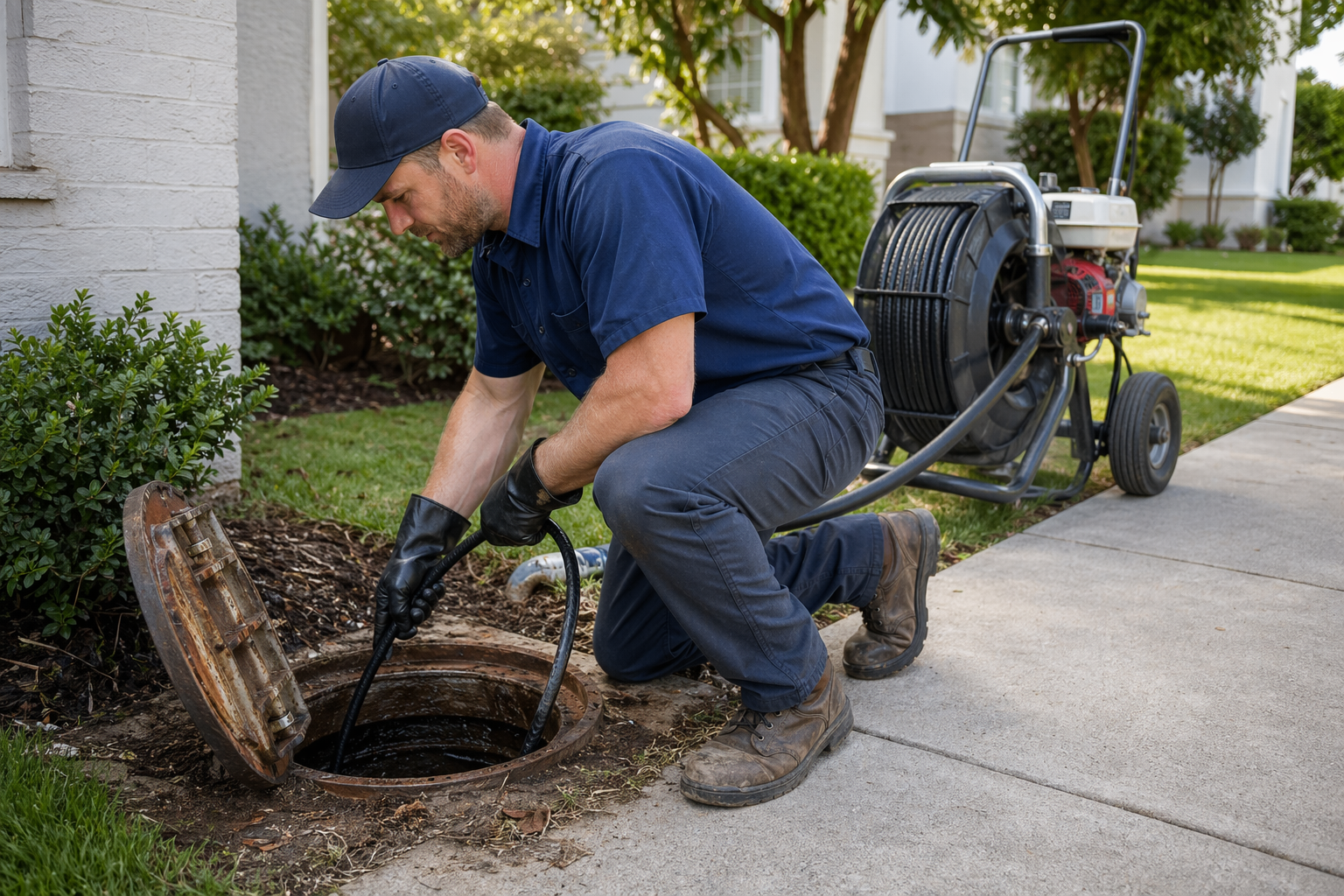 Next Service RouteSewer Cleaning And MaintenanceWhen the sewer lateral needs a one-time deep cleaning to establish a clean baseline before the prevention schedule starts - especially if the line has never been jetted and years of accumulated buildup need to be stripped before the camera can document actual pipe condition.
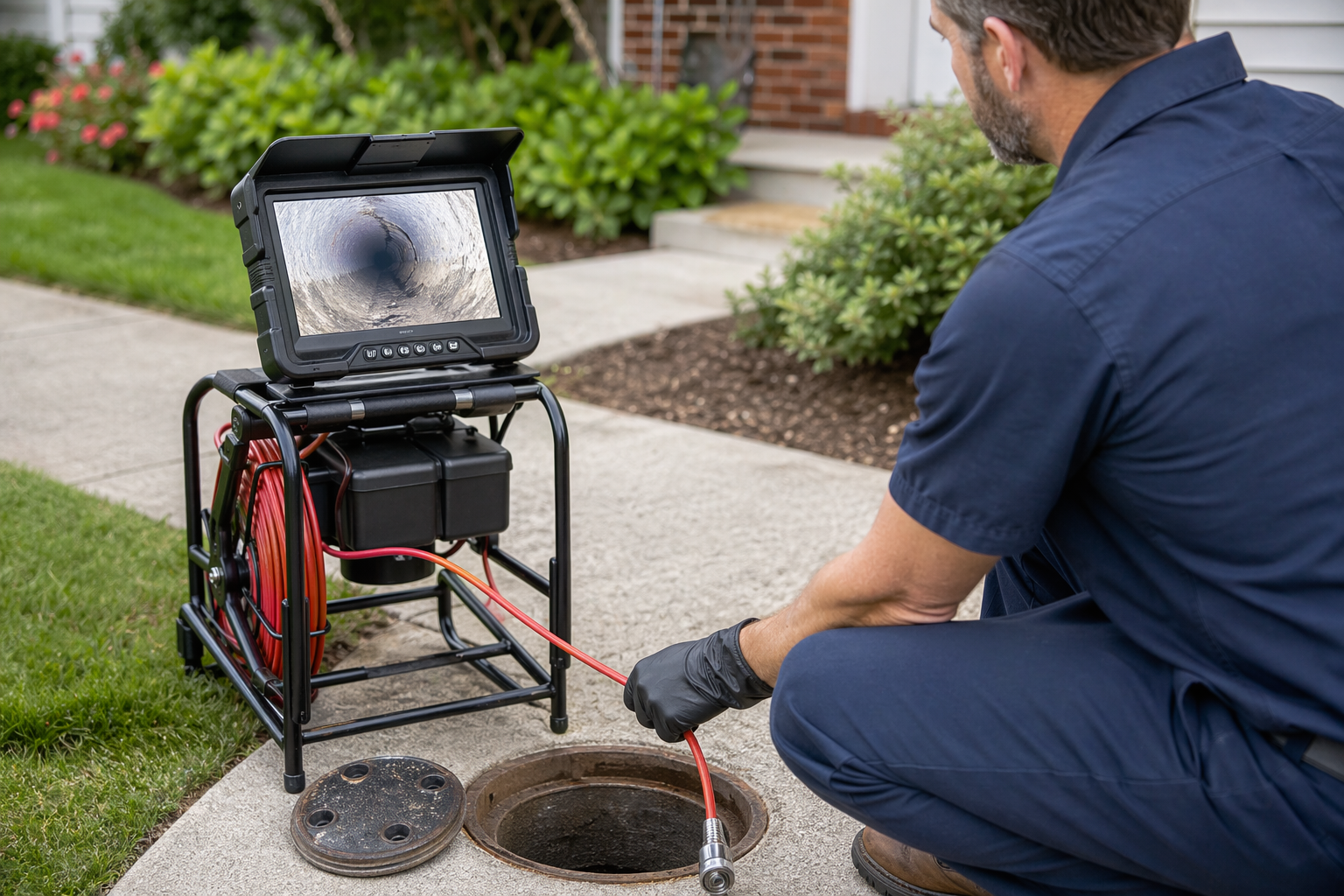 Next Service RouteSewer Camera InspectionWhen the camera footage from a prevention visit reveals structural damage, progressive deterioration, or pipe conditions that cleaning alone cannot manage - and the next conversation is about repair or replacement planning alongside the maintenance schedule.
Scope and timing
Cost
Support
These are the quick answers most people want before they call, book, or decide on the next step.
Sewer backup prevention includes scheduled jetting to remove buildup before it reaches failure level, camera documentation at each visit to track how fast the pipe accumulates debris, and interval management to ensure the next cleaning arrives before the sewer lateral reaches the restriction level that would produce a backup. The schedule is set by footage, not a calendar estimate.
Property owners who have already experienced a sewer backup and want to prevent the next one, and owners who are seeing early warning signs - gradual slowing, gurgling, or odor near the cleanout - and want to act before the first emergency. Properties with older pipe, mature trees near the lateral, or heavy kitchen use carry the highest risk factors and benefit most from a scheduled prevention program.
The first visit jets the sewer lateral clean and cameras the result to establish a baseline - what the pipe looks like clean, where buildup accumulates fastest, and what risk factors exist. The prevention interval is set based on the footage. Each subsequent visit cleans the line, re-documents the condition, and adjusts the schedule so the next cleaning stays ahead of the next potential failure.
Know your backup history - how many incidents, how recently, and what cleanup was involved. If the line has been cleaned before, know how long the results lasted. If the pipe is older or there are mature trees near the sewer path, those risk factors affect the initial interval recommendation. The more history you share on the call, the more accurately the prevention program is scoped from the start.
Related Reading
These follow-up reads stay close to this service and answer the pricing, warning-sign, process, and comparison questions that usually come next.
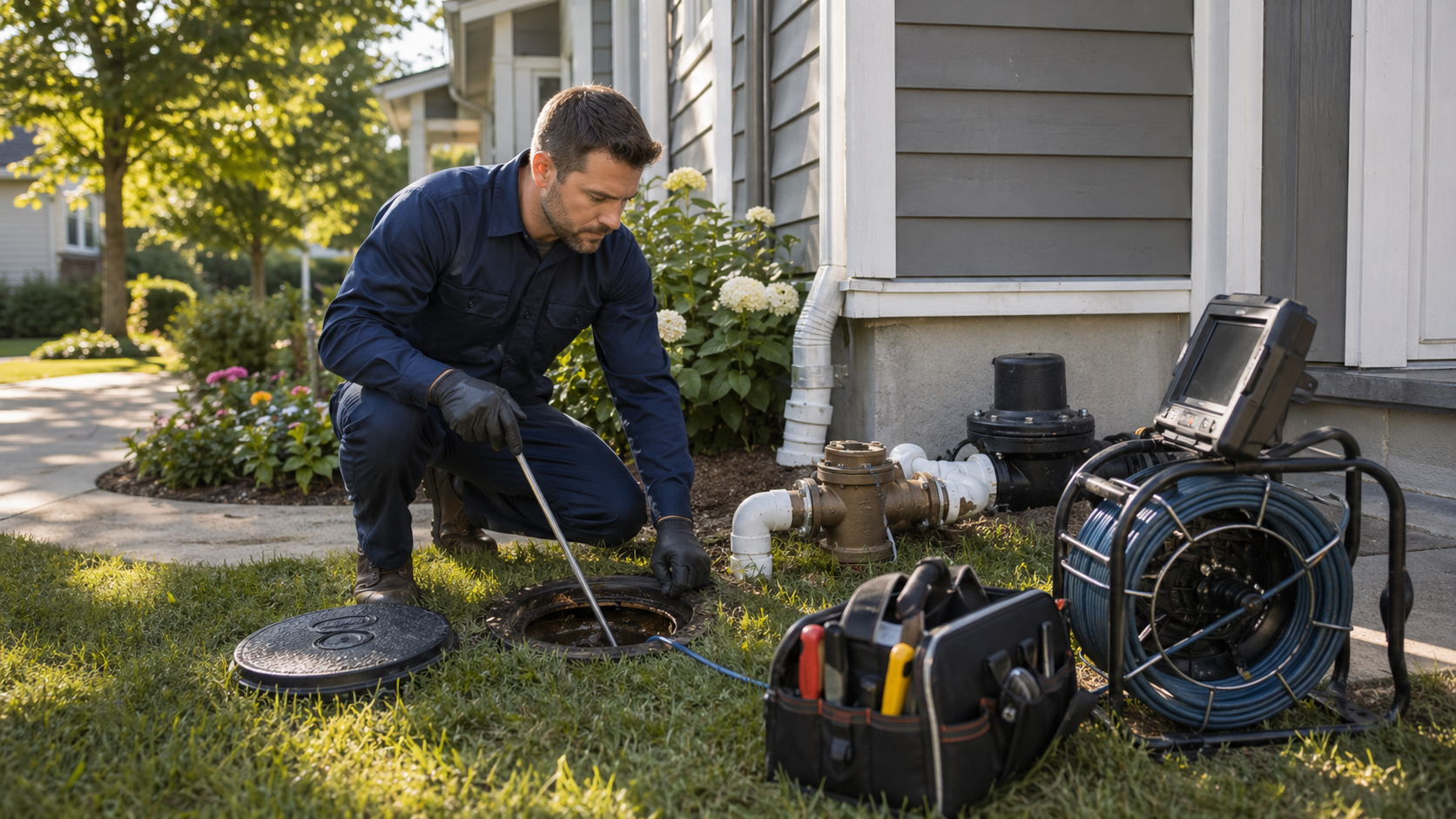
Service Explainer
Breaks down which prevention strategies actually reduce backup risk and which are just maintenance theater with no measurable impact on the pipe.
Timing Help
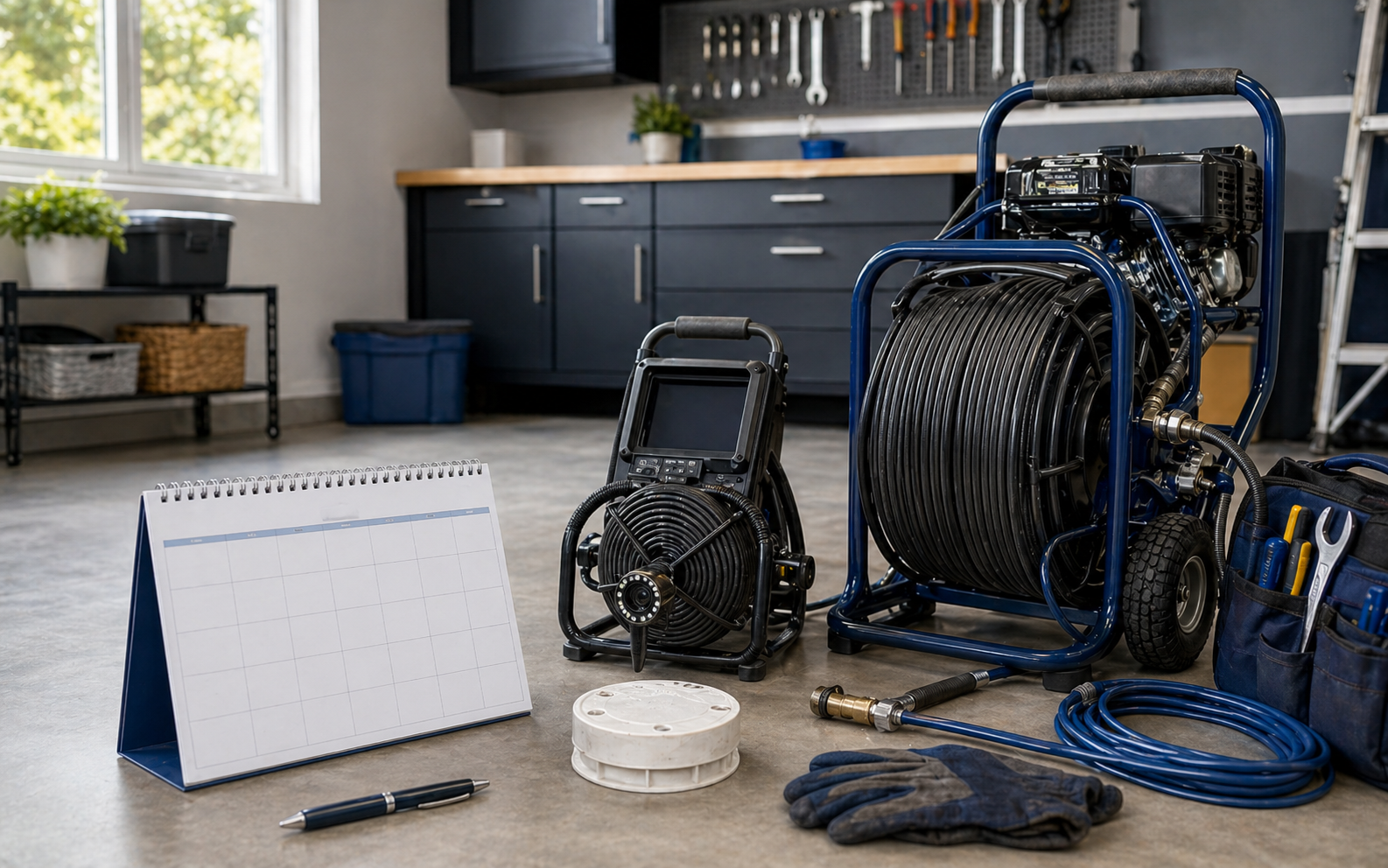
Explains the factors that determine cleaning frequency and how the interval is set based on pipe condition, not a generic recommendation.
Service Explainer
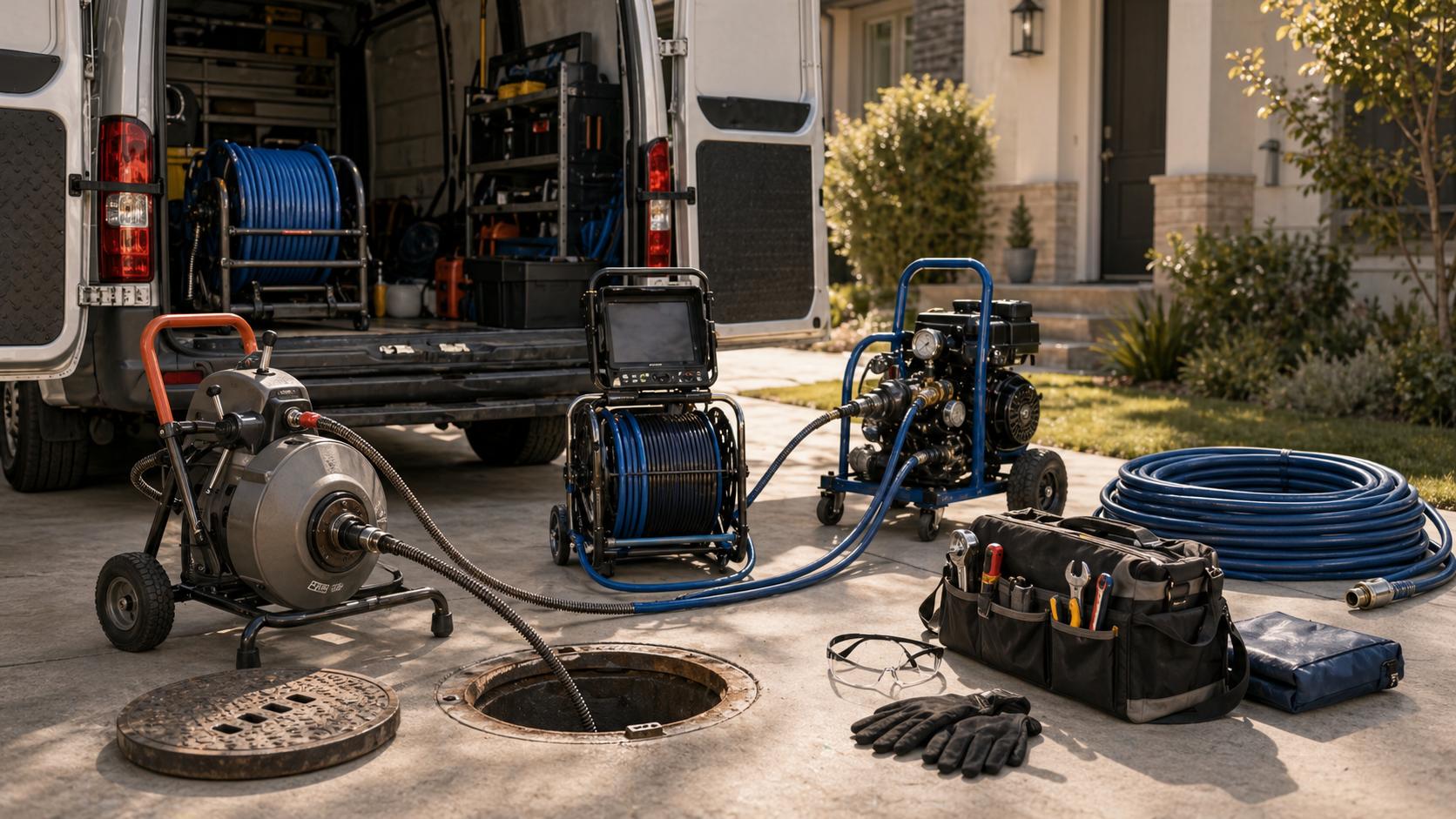
Covers what a sewer cleaning visit includes so you can compare what you are getting in a prevention program versus a one-time service call.